
Plants
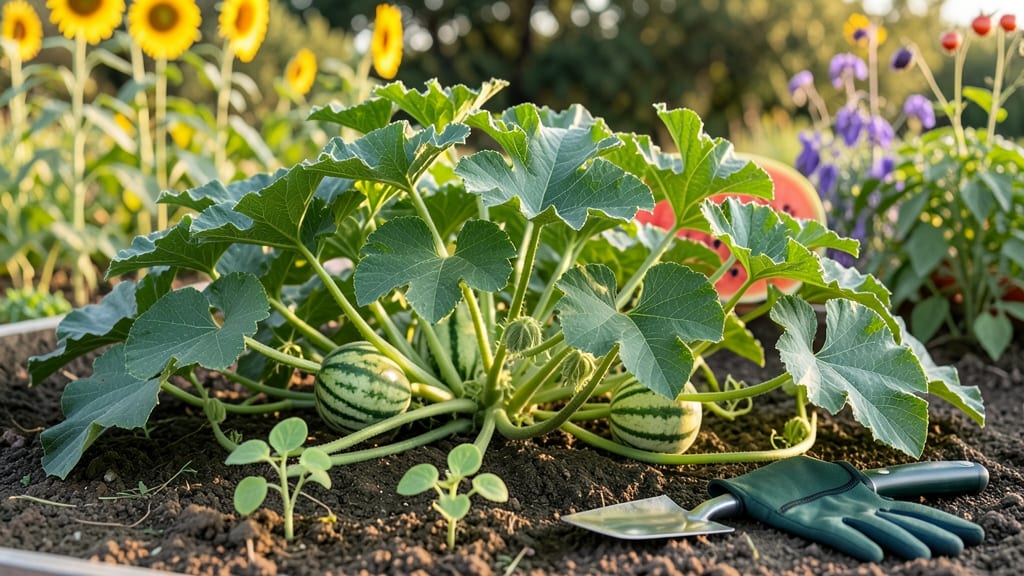
Planting watermelons in Texas isn’t just about throwing seeds into the ground—it’s about outsmarting the heat and avoiding the last-minute frost that can turn your garden dreams into a sad, wilted pile. The right timing means the difference between juicy, vine-ripened melons and shriveled disappointment.
Whether you’re in North Texas or down near the Gulf Coast, knowing when to start those seeds (or transplant seedlings) is the key to a bountiful harvest.
Texas’s diverse climate zones mean what works in Zone 8a might fail in Zone 10a. Too early, and frost zaps your young plants; too late, and the scorching sun bolts your melons before they even set fruit.
I’ve tested the perfect windows for each region, so you don’t have to guess. Let’s break down the exact dates and tricks to ensure your watermelons thrive—no matter where you’re growing in the Lone Star State.
You might think direct sowing is the only way, but starting seeds indoors can give you a head start—especially if you’re in cooler areas. And if you’re growing heat-tolerant varieties like Sugar Baby or Crimson Sweet, timing shifts again.
I’ll show you how to adjust for early vs. late plantings, so your melons hit the ground running when the soil is warm enough to support their rapid growth.
Ready to grow watermelons that actually ripen? The secret starts with the calendar—and I’ve got the Texas-specific schedule you need. Let’s get those seeds in the ground at the perfect moment for your region.
Texas heat zones: optimal watermelon planting dates by region
Texas gardeners know timing is everything—plant watermelons too early, and frost will wipe them out; too late, and the scorching heat will turn your vines into crispy failures. The key lies in understanding your USDA hardiness zone and soil temperature thresholds.
In Texas, we have three distinct regions with unique planting windows that ensure your watermelons thrive from seed to harvest.
Watermelons need warm soil (70°F+) and consistent heat to germinate properly. North Texas gardeners face the highest frost risk, while South Texas can plant year-round but must avoid extreme summer heat. Let’s break down the optimal planting dates for each region to maximize your juicy, vine-ripened harvest.
| Region | USDA Zones | Last Frost Date | Optimal Planting Window | Soil Temp Requirement | Key Notes |
|---|---|---|---|---|---|
| North Texas | 7b-8a | Mid-March to early April | Late April to May 15 | 70°F+ (use black plastic mulch) | Start seeds indoors in March; transplant after last frost. Early varieties like 'Sugar Baby' perform best. |
| Central Texas | 8a-9a | Late February to early March | March 15 to April 30 | 65°F+ (direct sow after warm-up) | Direct sow after soil warms; avoid planting before April 1. Varieties like 'Crimson Sweet' thrive here. |
| South Texas | 9a-10a | None (frost-free) | February to April or September to October | 75°F+ (avoid peak summer heat) | Plant in spring or fall to escape extreme summer heat. 'Charleston Gray' is a heat-tolerant favorite. |
In North Texas (Zones 7b-8a), the last frost typically occurs between mid-March and early April. This means you should wait until late April to plant watermelons outdoors. Use black plastic mulch to warm the soil faster, or start seeds indoors in March for an earlier harvest.
Choose early-maturing varieties like 'Sugar Baby' or 'Black Diamond' to avoid the intense summer heat.
For Central Texas (Zones 8a-9a), the frost risk drops significantly, allowing for a broader planting window from mid-March to April 30. Direct sow seeds once soil temperatures consistently reach 65°F.
This region benefits from longer growing seasons, so you can even experiment with fall plantings in September for a late harvest before cooler weather arrives.
Gardeners in South Texas (Zones 9a-10a) enjoy the most flexibility, with frost-free conditions year-round. However, the peak summer heat (June-August) can stress watermelon plants, leading to poor fruit set.
Instead, focus on spring (February-April) or fall (September-October) plantings to avoid the worst of the heat. Varieties like 'Charleston Gray' are bred to handle Texas’s intense sun and heat.
Regardless of your region, always test your soil temperature with a soil thermometer before planting. Watermelon seeds need 70°F+ soil to germinate properly. If your soil is too cool, use row covers or black plastic mulch to accelerate warming.
This simple step can mean the difference between a thriving vine and a failed crop.
Another critical tip: avoid planting watermelons in cold, wet soil. Excess moisture can lead to rot and fungal diseases, which are especially problematic in Texas’s humid summers. Amend your soil with compost or aged manure to improve drainage and fertility before planting. Well-draining soil is non-negotiable for watermelons.
Finally, consider your watermelon variety when choosing planting dates. Early varieties (60-70 days to maturity) like 'Sugar Baby' are ideal for North Texas, while heirloom varieties (80-90 days) such as 'Moon and Stars' suit Central and South Texas’s longer growing seasons.
Always check the seed packet for days to maturity and adjust your planting window accordingly.
By following these region-specific guidelines, you’ll give your watermelons the best possible start—leading to sweet, juicy harvests that make Texas summers unforgettable. Happy planting! 🌱
How to time watermelon planting for maximum yield in Texas heat
Timing your watermelon planting in Texas isn’t just about avoiding frost—it’s about syncing with the soil’s warmth and the heat’s intensity. Watermelons need soil temperatures above 70°F to germinate properly, and Texas’s unpredictable spring weather can throw off even the most experienced gardeners.
I’ve learned the hard way that planting too early in cooler zones like North Texas can leave your seeds sitting in damp, chilly soil for weeks, while in South Texas, waiting too long risks bolting before fruit sets.
Your first step is testing soil temperature with a simple soil thermometer. Aim for 75-85°F at a 2-inch depth before planting. This usually aligns with late April for North Texas, mid-March for Central Texas, and February for South Texas.
But don’t rely solely on the calendar—soil warms unevenly across regions, and last year’s perfect timing might not work this year due to weather shifts.
Direct sowing is my preferred method in Texas because watermelon seedlings hate transplant shock. But if you’re in a cooler microclimate, starting seeds indoors under grow lights gives them a head start.
Use biodegradable pots to avoid root disturbance when moving them outside. Harden off seedlings for 7-10 days by gradually exposing them to outdoor conditions—this toughens them up for Texas’s intense sun.
Adjusting for early vs. late varieties is a game-changer. Early varieties like Black Diamond mature in 70 days and can handle cooler soils, making them ideal for North Texas. Late varieties like Moon and Stars take 90 days and thrive in South Texas’s prolonged heat.
Plant early varieties first (late March-April) and follow with late varieties in late May to stagger your harvest and avoid glutting your kitchen.
One of my biggest lessons? Don’t rush to harvest. Texas heat accelerates ripening, but watermelons need full maturity for sweetness. Wait until the curly tendril near the stem turns brown and the melon sounds hollow when tapped.
Ignore this, and you’ll end up with bland, seedy disappointments—trust me, I’ve made that mistake more times than I’d like to admit.
With the right timing, your watermelon patch will burst with flavor, not frustration. The key is patience—letting the soil warm naturally and adapting your planting schedule to your specific Texas heat zone. Soon, you’ll be slicing into perfect, juicy melons that put grocery store varieties to shame.