
Plants
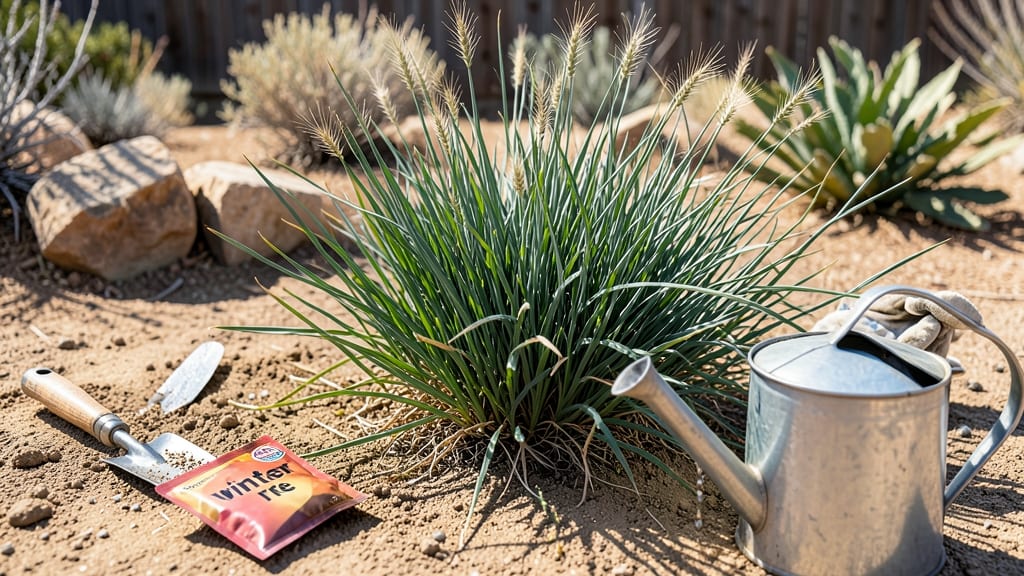
Planting winter grass 🌱 in Arizona at the wrong time can leave your lawn struggling under the relentless sun—so timing is the key to success. The ideal window isn’t just about months; it’s about beating the monsoon heat and ensuring your grass takes root before summer’s return.
If you’ve ever watched your lawn turn brown under the desert sun, you know how frustrating it can be. But with the right approach, you can transform your yard into a lush, green oasis that thrives year-round.
The secret lies in planting between late August and early October, when temperatures are cooler and the soil is primed for growth.
Why does this matter? Because Arizona’s climate is unforgiving—too early, and your grass wilts in the heat; too late, and it struggles to establish before winter sets in. I’ll show you exactly how to time it right, from soil prep to watering tips tailored for USDA Zone 9b.
Let’s dive into the steps that will give you a fast, resilient lawn—one that stays green even when your neighbors’ yards are brown. Ready to get started?
Best months to plant winter grass in Arizona for fast growth
Arizona’s intense summer heat and monsoon rains create a unique challenge for winter grass planting. Unlike northern climates, Arizona’s cool-season grasses thrive when planted in late summer or early fall—not spring.
This timing ensures your grass establishes roots before the 100°F+ temperatures return, giving it a fighting chance to survive the harsh Arizona sun.
The ideal window for planting winter grass in most of Arizona is between mid-September and early November. This aligns with soil temperatures dropping below 75°F, which is critical for seed germination and root development.
Planting too early (before August) risks heat stress on young seedlings, while waiting too late (after November) may expose your grass to winter dormancy challenges or early frost in higher elevations.
Here’s how the optimal planting months break down across Arizona’s three major regions: Phoenix, Tucson, and Flagstaff. Each area has slightly different microclimates that affect timing and success.
In Phoenix and the low desert, where temperatures can still hover in the 90s°F in September, planting winter grass too early (before late August) risks seed desiccation. Use shade cloth or plant in early morning hours to protect seeds from direct sun.
The goal is to establish roots before the monsoon season (July–September) delivers heavy rains, which can wash away newly planted seeds.
Tucson’s mid-elevation climate offers a slightly longer window, from early September to early November. This region benefits from cooler nights and well-draining soils, making it ideal for winter grass varieties like fine fescue or ryegrass blends. However, avoid planting after mid-November, as the risk of fungal diseases increases with prolonged moisture from late rains.
For Flagstaff and northern Arizona, the high desert climate demands an earlier start. Plant between mid-September and mid-October to avoid early frost (which can occur as early as October in higher elevations).
Choose cold-hardy varieties like tall fescue or wheatgrass, which tolerate 30°F temperatures better than other winter grasses.
Regardless of your location, the soil temperature is your best guide. Use a soil thermometer to confirm temperatures are between 60–75°F before planting. Cooler soils (below 60°F) slow germination, while warmer soils (above 75°F) can cause heat stress or even seed death.
In Arizona, this typically aligns with late September to early October for most regions.
Pro tip: Water deeply before planting to moisten the soil to a depth of 4–6 inches. This ensures seeds stay hydrated during the critical germination period (typically 7–14 days).
After planting, maintain consistent moisture by watering early in the morning to reduce evaporation and fungal risks. Avoid overhead watering, which can compact soil and disrupt seed-to-soil contact.
Timing your winter grass planting correctly in Arizona isn’t just about avoiding heat—it’s about giving your lawn the best shot to establish before the next season’s challenges. With the right month, soil prep, and watering routine, you’ll have a lush, green lawn that outlasts the desert heat. 🌱
How to prepare your Arizona lawn for winter grass planting
Arizona’s intense heat and sudden monsoon rains demand careful lawn prep before planting winter grass. The key is preparing your soil and yard 4–6 weeks before planting—typically by mid-August—to give seeds the best chance to establish roots before summer’s return.
Start with a soil test to ensure your lawn’s pH is between 6.0–7.5, the ideal range for cool-season grasses.
If your soil is compacted or heavy, aeration is non-negotiable. Use a core aerator to pull small plugs of soil, creating channels for water, air, and nutrients to reach the roots.
This step is especially critical in Arizona, where clay-heavy soils are common and can suffocate new grass. Timing matters—avoid aerating during peak heat (June–August) when the soil is too dry or hard.
⚠️ callout warning ⚠️ ⚠️ Common Mistake: Planting Too Early or Late Planting winter grass in Arizona outside late August–early October risks failure. Early planting (before August) exposes seeds to 100°F+ soil temps, while late planting (after November) leaves grass vulnerable to monsoon downpours and erosion.
Aim for soil temps between 60–75°F—check with a soil thermometer before planting. 🌱
Next, clear your lawn of weeds and debris using a stiff rake or dethatching tool. Weeds compete aggressively for nutrients and water, so remove them completely—even small patches can choke out new grass.
For stubborn weeds like crabgrass, apply a pre-emergent herbicide 2–3 weeks before planting. Avoid post-emergent herbicides, as they’ll kill your new grass too.
Loosen the top 2–3 inches of soil with a garden rake or tilling tool to improve seed-to-soil contact. This is especially important in Arizona, where hardpan layers can block root penetration.
Mix in 2–3 inches of compost or a slow-release fertilizer (like 10-10-10) to boost nutrient levels. Avoid fresh manure or high-nitrogen fertilizers, which can burn young grass.
Watering is critical but tricky in Arizona’s drought-prone climate. Before planting, water your lawn deeply for 2–3 days to settle the soil and encourage weed seeds to germinate (so you can pull them later).
After planting, keep the soil consistently moist—not soggy—by watering early in the morning (before 8 AM) for 15–20 minutes per session. Use a sprinkler with even coverage to avoid dry spots.
Finally, mow your existing grass short (about 1–1.5 inches) before planting to create a clean seedbed. If you’re overseeding an established lawn, use a slit-seeder to ensure seeds make direct contact with the soil.
After planting, lightly rake the area to cover seeds with ¼ inch of soil and keep them shaded with a lightweight straw mulch until germination (about 10–21 days).