
Plants
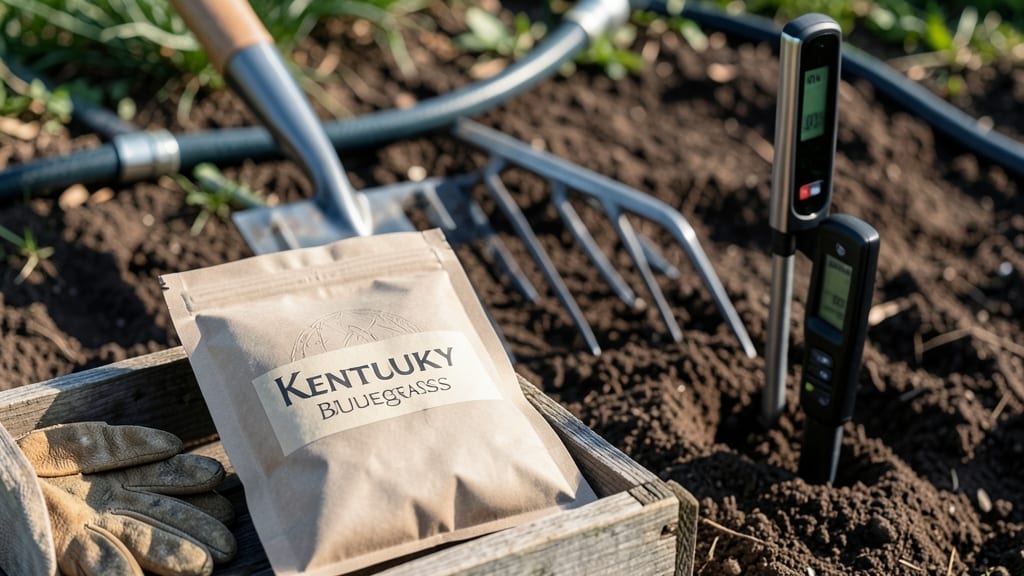
Planting your 🌱 Grass (Lawn) seed at the wrong time in spring could mean waiting months for that perfect green carpet—especially when frost sneaks back unexpectedly. The ideal window isn’t just "early spring" or "late spring," but a science-backed moment when soil warms to 55-65°F and frost risks fade.
In USDA Zone 6a (like much of the Midwest), that’s typically mid-April to early May, but local frost charts can shift your timeline by weeks.
Why does timing matter so much? Cool-season grasses like Kentucky bluegrass and fescue germinate best when they’re not battling cold soil or late frosts. Plant too early, and your seeds may rot; too late, and summer heat stresses them before they establish.
I’ll show you how to read frost data and soil temps to lock in the perfect 2-3 week window for your region—no guesswork required.
Even in Zone 6a, your neighbors’ success stories might not apply to you. Heavy rainfall, early warm spells, or delayed frosts can throw off schedules. That’s why this guide dives into regional adjustments, from extending germination with protective coverings to choosing fast-germinating seed varieties when time is tight.
Ready to transform patchy soil into a lush lawn? Let’s break down the exact steps—from prepping your yard to post-planting care—to ensure your grass seed thrives, not just survives. Your dream lawn starts with the right timing.
Spring grass seed planting timeline based on frost dates and soil temperature
Planting grass seed at the right time in spring is all about balancing soil temperature, frost risk, and grass type. Cool-season grasses like Kentucky bluegrass and fescue thrive when soil warms to 55-65°F, but planting too early risks frost damage.
The key is reading your local USDA frost charts and verifying with a soil thermometer—not just guessing by calendar dates.
Most gardeners make the mistake of planting based on calendar months alone. For example, planting in March in Zone 5 might still leave your seeds vulnerable to frost, while April in Zone 8 could mean soil is too warm for cool-season varieties.
The solution? Use a 2-3 week planting window centered around your region’s average last frost date—but always confirm with real-time soil temps.
Here’s how to decode frost charts: Look for the 32°F line (the threshold for frost damage to grass). Then, add 4-6 weeks to that date to find your ideal window.
For instance, if your last frost is April 15, aim to plant between May 5-20. This ensures seeds germinate before summer heat sets in.
| USDA Hardiness Zone | Average Last Frost Date | Ideal Planting Window | Soil Temperature Requirement (°F) | Grass Types Best Suited |
|---|---|---|---|---|
| 3-4 | May 1-15 | May 20-June 5 | 55-65°F | Tall fescue, fine fescue |
| 5-6 | April 15-May 1 | May 10-June 1 | 55-65°F | Kentucky bluegrass, ryegrass |
| 7-8 | March 15-April 15 | April 1-May 15 | 60-70°F | Perennial ryegrass, Bermuda (warm-season) |
| 9-10 | February 15-March 15 | March 1-April 15 | 65-75°F | St. Augustine, Zoysia |
Data sourced from NOAA and local agricultural extensions
Your soil temperature is the final arbiter. Even if the calendar says it’s spring, if your soil is still below 55°F, seeds won’t germinate properly. Invest in a $15 soil thermometer—it’s the best way to avoid wasted seed.
For example, in Zone 6, soil might hit 55°F in early April, but frost can still occur until mid-May. Planting perennial ryegrass (a fast germinator) in this window gives you flexibility.
Regional exceptions matter. In the Southeast (Zones 7-9), warm-season grasses like Bermuda should be planted in late spring (after May 1), while cool-season grasses like tall fescue must go in by March to avoid summer dormancy.
Meanwhile, in the Pacific Northwest, frost can linger until June in higher elevations, so delay planting until soil warms consistently.
Protective measures like row covers or straw mulch can extend your planting window by 1-2 weeks in frost-prone areas. For instance, if your last frost is April 30 but soil is cold, covering seeds with lightweight fabric can shield them until temps rise.
Just remove covers once grass reaches 2-3 inches tall to avoid overheating.
If you miss the spring window, don’t panic—fall planting (August-September) is the second-best time for cool-season grasses. But spring is ideal because it gives grass 6-8 weeks to establish roots before summer stress. Use a starter fertilizer with phosphorus to boost root growth during this critical period.
Remember: Consistency is key. Water seeds lightly twice daily (morning and evening) until germination, then taper to 1 inch per week. Avoid walking on new grass until it’s 3-4 inches tall—this prevents soil compaction and seed displacement.
With the right timing, you’ll see uniform germination in 7-21 days, depending on the grass type.
🌱
How to adjust your planting schedule for early vs. late spring conditions
Spring weather can throw curveballs—one week you're dealing with late frost warnings, the next with unseasonably warm temperatures. These shifts force gardeners to adapt their grass seed planting schedules to avoid stunted growth or wasted seed.
The key is balancing soil temperature, frost risk, and your local climate's quirks. For example, in USDA Zone 6, planting too early (before April 15) risks frost damage, while waiting until June can trigger summer dormancy in cool-season grasses like Kentucky bluegrass.
To navigate these challenges, I rely on three strategies: soil thermometers for real-time data, protective coverings for early starts, and fast-germinating seed varieties for late-season planting. For instance, perennial ryegrass sprouts in just 5–10 days, giving you a safety net if warm weather arrives unexpectedly.
Meanwhile, tall fescue takes 14–21 days to germinate, making it riskier for delayed planting. Adjusting your approach based on these factors can save you from a patchy, slow-growing lawn.
⚠️ 5 Common Mistakes to Avoid When Adjusting Your Planting Schedule
- 1
- Ignoring soil temperature—Planting when soil is below 55°F stalls germination. Always check with a soil thermometer before sowing.
- 2
- Using slow-germinating seeds late in spring—Varieties like fine fescue take 20+ days to sprout, leaving them vulnerable to summer heat.
- 3
- Skipping frost protection—A lightweight row cover can shield new seedlings from unexpected late frosts (even in May).
- 4
- Planting after May in cool climates—Cool-season grasses struggle to establish roots in summer heat, leading to weak, sparse lawns.
- 5
- Overlooking regional exceptions—Southern states (e.g., Texas) can plant warm-season grasses like Bermuda in early spring, while Northern states wait until mid-May.
If you're facing unpredictable spring weather, consider pre-germination techniques like soaking seeds overnight in lukewarm water to jumpstart growth. For late-season planting (e.g., late May), choose fast-germinating blends with annual ryegrass to outpace summer dormancy.
In my Zone 6 garden, I’ve had success planting Kentucky bluegrass in early April with a frost cloth and switching to tall fescue in late May for a second chance at coverage.
Don’t let heavy rainfall derail your plans either. If the forecast calls for more than 1 inch of rain in 24 hours, delay planting until the ground dries. Compacted, waterlogged soil smothers seeds and blocks oxygen, leading to poor germination rates.
To test soil readiness, press your finger into the ground—if it springs back slowly, it’s too wet. Aim for a moist but crumbly texture, like a damp sponge.
For gardeners in warmer climates (Zones 7–10), the rules flip: focus on warm-season grasses like St. Augustine or Zoysia, which thrive when soil temps hit 65°F or higher. Plant these in late spring (May–June) to avoid winter dormancy.
Meanwhile, cool-season grasses in these zones may need shade cloth to prevent heat stress during germination. Always match your grass type to your climate’s growing season.
Pro tip: Keep a gardening journal to track your local frost dates, soil temps, and germination success. Over time, you’ll spot patterns—like that late April frost every other year in your area—and adjust your schedule accordingly.
For example, if your notes show May frosts occur 30% of years, plan to plant 4 weeks early with frost protection. Small adjustments now mean a thicker, greener lawn by summer.