
Plants
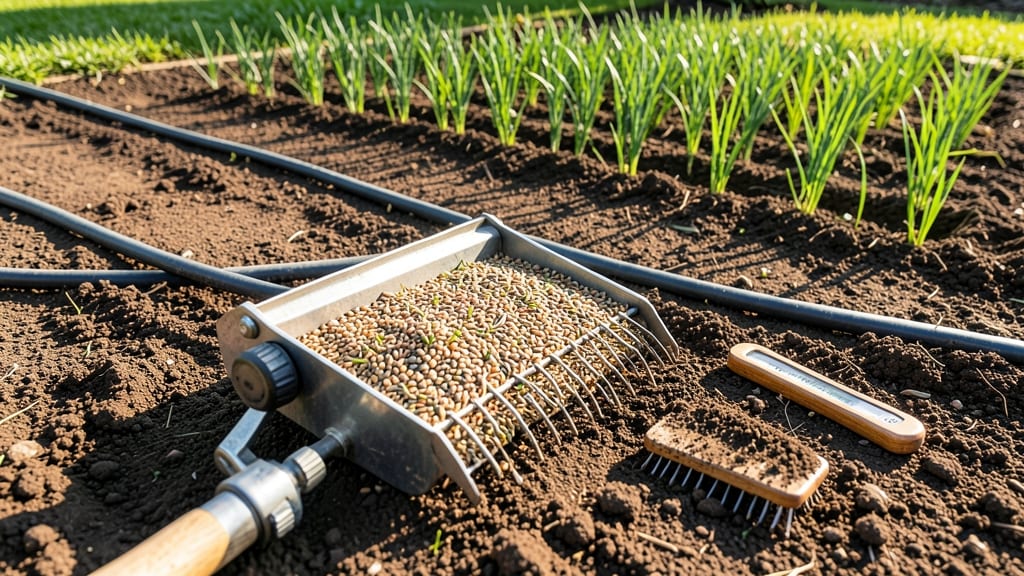
Planting grass seed at the right moment in spring could mean the difference between a lush, green lawn and months of patchy disappointment. The key isn't just waiting for warmer weather—it's understanding your local frost dates and soil temperature thresholds.
In USDA Zone 6a, where many gardeners live, timing matters more than you might think.
Most gardeners assume "spring" means March, but that's often too early. The ideal window opens 4-6 weeks before your last frost date, when soil temperatures hit 55-65°F.
This ensures your 🌱 Grass (Turfgrass) seeds germinate quickly without risking a surprise freeze. Skipping this step can leave you with slow growth or even failed germination.
Don't guess—check your local frost charts and soil conditions first. I'll show you exactly how to calculate your perfect planting window, plus the best grass varieties for fast results. With the right timing, you'll have a thick, healthy lawn in just 3-4 weeks instead of waiting months.
Ready to transform your lawn? Let's dive into the science-backed timing that actually works, so you can skip the trial-and-error and get it right the first time.
Spring planting windows by USDA frost Zones: exact weeks for grass seed success
Getting your grass seed in the ground at the right time in spring is about more than just waiting for warmer weather—it's about understanding your USDA frost zone and soil temperature thresholds.
Most gardeners make the mistake of planting too early, only to watch their seeds rot in cold soil or too late, missing the optimal germination window. The perfect timing varies dramatically from Zone 3 to Zone 10, with soil temperatures between 50-65°F being the sweet spot for most varieties.
In my experience, the best planting windows open 4-6 weeks before your last average frost date, but this shifts dramatically depending on whether you're in the chilly Northern Plains or the mild Southern Coastal regions.
For example, gardeners in Zone 5 might start as early as late March, while those in Zone 8 could wait until early May without risking frost damage. Let's break down the exact weeks for each zone so you can plant with confidence.
| USDA Zone | Last Frost Date | Optimal Planting Window | Soil Temp Threshold | Germination Time |
|---|---|---|---|---|
| Zones 3-4 | Mid-May | Late April to early May | 55-60°F | 14-21 days |
| Zones 5-6 | Early-Mid April | Late March to early April | 50-55°F | 10-14 days |
| Zones 7-8 | Mid-March | February to early March | 60-65°F | 7-10 days |
| Zones 9-10 | Late January | January to February | 65-70°F | 5-7 days |
Notice how the soil temperature thresholds increase as you move south? This is critical because seeds won't germinate properly if the ground is too cold.
For example, in Zone 5, planting in early March might seem early, but if the soil is still below 50°F, your seeds could take weeks—or fail entirely. Always check soil temps with a soil thermometer (available for under $10) before planting.
Another key factor is microclimates. Even within the same zone, your yard might have warmer or cooler pockets. South-facing slopes warm up faster than shaded areas, while urban heat islands can create pockets that are 5-10°F warmer than rural areas.
If you're unsure, plant a small test patch in the coolest spot first to gauge germination success.
Once you've identified your zone and confirmed soil temperatures, aim to plant your grass seed within the first two weeks of your optimal window. Waiting too long risks weeds outcompeting your tender seedlings.
For example, in Zone 6a, planting in late March gives you a head start over weeds that typically emerge in early April. Pro tip: Use a pre-emergent herbicide 2-3 weeks before planting to suppress weeds without harming your grass.
Don't forget that late spring planting (after your zone's ideal window) can still work, but it requires faster-germinating varieties like annual ryegrass and more frequent watering.
In Zone 7, for instance, you could plant as late as early May, but you'll need to monitor soil moisture closely to prevent drought stress during germination. The trade-off is a slightly slower establishment, but it's better than waiting for next spring!
For gardeners in transition zones (like Zone 6b or 7a), I recommend splitting your planting into two batches: 60% early and 40% late. This hedges your bets against unpredictable spring weather.
For example, if you live near the Rocky Mountains, late snowmelt might delay your ideal window—having backup seeds ready ensures you don't miss the boat.
One common mistake is relying solely on air temperature rather than soil temperature. A warm April day might fool you into thinking it's safe to plant, but if the ground is still cold, your seeds will languish.
Always dig down 2-3 inches and check with your thermometer. If the soil is below the threshold for your zone, wait at least a week or until temperatures rise consistently.
Finally, remember that overseeding (planting new grass into an existing lawn) has slightly different timing. In cooler zones like Zone 4, you might overseed as late as early June to take advantage of summer moisture, while in warmer zones like Zone 9, late summer (August-September) is ideal.
Adjust your approach based on whether you're establishing a new lawn or refreshing an old one.
🌱How to check your local frost dates and Adjust planting timing
Finding the perfect time to plant grass seed in spring isn't just about guessing when the weather warms up. It's about understanding your local frost dates and how they interact with your soil's readiness.
The National Weather Service (NWS) provides frost charts that reveal when your last frost typically occurs, but interpreting them correctly is key to avoiding failed germination.
Start by visiting the NWS Climate Data website and search for your ZIP code. Look for the section labeled "Frost/Freeze Probabilities" or "Last Spring Frost." This chart shows the average dates for your area's final frost, but remember—these are averages, not guarantees.
For USDA Zone 6a, where many gardeners plant grass seed, the last frost often falls around April 15, but this can vary by 5-10 days depending on your microclimate.
Here’s how to use this data to calculate your planting window:
- 1 Find your last frost date: Check the NWS chart for your ZIP code to identify the average last spring frost date. For example, if your frost date is April 15, this is your starting point.
- 2 Add 4-6 weeks: Grass seed needs 4-6 weeks of frost-free growing time to germinate and establish roots. Subtract this from your last frost date to find your ideal planting window. For April 15, this means planting between early March and mid-March.
- 3 Verify soil temperature: Use a soil thermometer to confirm your soil is at least 55°F. Grass seed won’t germinate below this temperature, even if frost isn’t a risk. Wait until the soil consistently stays above 55°F for at least 24 hours.
- 4 Adjust for microclimates: Urban areas, slopes, and bodies of water create microclimates that can shift frost dates by 1-2 weeks. For example, a south-facing slope may warm up faster, while a low-lying area could stay colder longer. Observe your yard’s behavior over the past few years to refine your timing.
- 5 Plan for backup dates: If your first attempt fails due to unexpected frost, have a secondary planting date ready. Aim for late April to early May, when soil temperatures are more reliably warm and frost risks drop significantly.
Don’t overlook the importance of elevation in your calculations. Higher elevations often experience later frost dates, sometimes 1-2 weeks after lower areas just a few miles away. If you’re unsure, check frost data for nearby towns at similar elevations to get a clearer picture.
Once you’ve nailed down your planting window, monitor your local weather forecast closely in the days leading up to planting. A 5-day forecast predicting 40°F or lower temperatures should prompt you to delay planting until conditions stabilize.
With the right timing, you’ll see sprouts in 7-14 days and a lush lawn in just 4-6 weeks. 🌱