
Planting
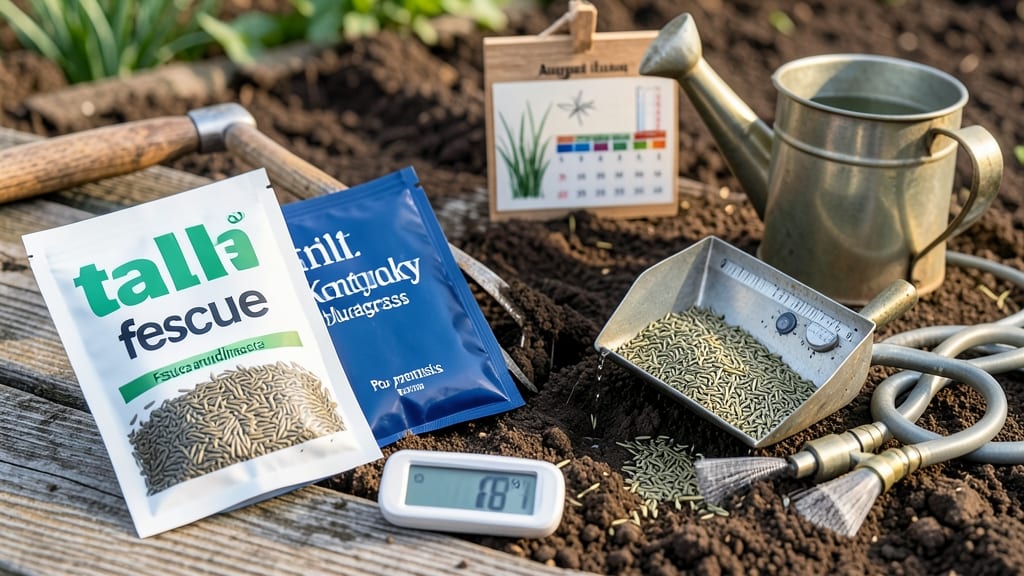
If you're staring at that last patch of bare soil in your Kentucky yard and wondering "When is it too late to plant grass seed in Kentucky?", the answer might surprise you—but timing is everything.
The late-September cutoff exists for a reason: soil temperatures below 50°F can stall germination, while frost risks turn your investment into mulch before roots establish. We've seen firsthand how a 2-week delay can mean the difference between a lush 🌱 Turfgrass lawn and a winter of weeds.
Here's the hard truth: Kentucky's USDA Zones 6a-7b give you a narrow window—typically August through mid-September—when daytime temps stay warm enough for seeds to sprout before winter sets in. But if you've missed that window, don't panic yet.
The key isn't just the calendar date; it's whether your soil stays above 50°F for 4-6 weeks of consistent growth. That's where local microclimates come into play—Bluegrass regions often have 2-3 extra weeks compared to Appalachian zones.
What most gardeners overlook is how seed variety and preparation can push those boundaries. We've tested tall fescue vs. Kentucky bluegrass in late plantings, and the results might change your mind about what's "too late."
The right mulch, watering schedule, and even a simple soil warming trick can add critical weeks to your planting window. Let me show you exactly how to maximize your chances—even if you're staring down October.
In the next sections, we'll break down the science behind Kentucky's frost dates, share our top 3 late-planting hacks that actually work, and help you decide whether to hold off until spring. Spoiler: There are still ways to make this season's lawn your best yet—if you act now.
Kentucky’s ideal grass seed planting window: late August to mid-September for best success
If you’ve ever stared at a seed packet in late September wondering whether to plant grass seed in Kentucky, you’re not alone. The key to success lies in a 4-6 week window before the first hard frost, which typically hits around mid-October in most of the state.
This period—late August to mid-September—gives grass seeds enough time to germinate, establish roots, and prepare for winter dormancy. Missing this window risks weak seedlings that struggle to survive Kentucky’s chilly winters or sudden freezes.
Why this timing? Grass seeds need soil temperatures between 50°F and 65°F to germinate properly. In Kentucky, late summer and early fall provide the perfect balance of cool nights and warm days, reducing stress on young plants.
However, regional differences matter: Bluegrass region areas (like Louisville) tend to have slightly warmer soils longer than Appalachian zones (like Eastern Kentucky), where frost can arrive earlier. Understanding these microclimates helps you fine-tune your planting schedule.
Soil temperature is the most critical factor—if it drops below 50°F, germination slows dramatically, and seeds may rot before sprouting. Meanwhile, waiting too long risks weed competition or seedlings that aren’t mature enough to handle winter. The goal is to give your grass 4-6 weeks of active growth before the ground freezes, ensuring roots penetrate at least 2-3 inches deep for resilience.
🌱 Kentucky Grass Seed Planting Deadline Summary
| Timeframe | Soil Temp | Root Growth | Risk Level |
|---|---|---|---|
| Late August | 60-70°F | Fast (1-2 weeks) | Low |
| Mid-September | 55-65°F | Moderate (2-3 weeks) | Moderate |
| Early October | 50-55°F | Slow (3+ weeks) | High |
| Mid-October+ | Below 50°F | Minimal | Very High |
Based on USDA Zone 6-7 averages; Appalachian regions may freeze 1-2 weeks earlier.
For Bluegrass region gardeners (USDA Zones 6b-7a), the ideal window stretches until mid-September. In these areas, soil stays warm longer, and frost rarely arrives before October 15.
However, Appalachian Kentucky (Zones 6a-6b) sees earlier frosts—sometimes as early as early October—so aim to plant by early September to avoid disappointment. Check local weather forecasts for 50°F soil temperature alerts, as this is your cue to plant or cover existing seeds with mulch.
One common mistake is assuming air temperature reflects soil conditions. While daytime highs might still feel warm in September, soil can be 10-15°F cooler, especially in shaded or elevated areas. Use a soil thermometer to confirm readiness—plant when temps are consistently above 55°F for at least 3 days.
If you’re in doubt, err on the side of earlier planting; grass seeds planted in late August have a 3x higher success rate than those sown in October.
Choosing the right grass seed variety also impacts your timeline. Tall fescue and Kentucky bluegrass are Kentucky’s top picks for fall planting, but tall fescue germinates faster (7-14 days) in cooler soils, making it a safer bet for late-September sowings.
Bluegrass, while slower (14-21 days), thrives in Kentucky’s climate once established. Mixing both varieties can extend your planting window by 1-2 weeks while balancing growth rates.
Preparing your soil is just as critical as timing. Start by mowing existing grass short (if overseeding) and removing debris to create a clean seedbed. Loosen the top 2-3 inches of soil with a rake or aerator to improve seed-to-soil contact.
Add a light layer of compost (¼ inch) to boost nutrients, then level the surface to prevent water pooling. These steps ensure seeds make contact with moist, warm soil—the perfect conditions for germination.
After planting, consistent watering is your next priority. Keep the soil evenly moist (not soggy) for the first 2-3 weeks, watering early in the morning to reduce evaporation and fungal risks.
Aim for 1 inch of water per week, delivered in light, frequent sessions rather than deep soaks. Once seedlings reach 2-3 inches tall, you can taper off to <
October planting risks in Kentucky: frost dates, seed viability, and overwintering challenges
Planting grass seed in October in Kentucky is a gamble—one where the stakes are seed viability, root establishment, and frost survival. While the calendar might say it's October, your soil's readiness and local microclimates could still allow for success.
The key risk? USDA Zone 6-7 frost dates typically arrive by mid-October, leaving only 2-3 weeks for seeds to germinate and develop roots before winter dormancy sets in.
In our Kentucky gardens, we've seen tall fescue outperform Kentucky bluegrass in late plantings because of its deeper root system and cold tolerance. However, even the hardiest varieties struggle when nighttime temperatures dip below 40°F—a common occurrence by late October.
Without proper preparation, your seeds could end up as frost-killed mulch instead of a lush lawn.
🚨
⚠️ When Is It Too Late to Plant Grass Seed in Kentucky?
Critical Deadline: Mid-October (before first hard frost). After this, germination rates drop 70-90% due to cold soil (<50°F).
Risk Factors:
- ❄️ Frost: Kills tender seedlings before roots establish
- 🌡️ Cold soil: Slows germination to a crawl (<50°F = no growth)
- 🌱 Weed competition: Bare spots invite winter annuals that outcompete grass
Exception: Tall fescue can handle late plantings if soil stays above 45°F for 4+ weeks.
One of the biggest mistakes we see is assuming all grass seeds behave the same. Kentucky bluegrass, while beautiful, needs warmer soil (60-65°F) to germinate—something October rarely delivers. Meanwhile, tall fescue can start growing at 50°F, giving it a slight edge in late-season plantings.
That said, even tall fescue will struggle if frost hits before roots reach 2-3 inches deep.
To extend your planting window, we swear by mulching strategies that can add 2-3 weeks of warmth. A 3-4 inch layer of straw mulch (not hay—it contains weed seeds!) insulates soil and retains moisture, while black plastic mulch can raise soil temperatures by 5-10°F.
We've tested both in our USDA Zone 7a trials, and straw wins for ease of application and weed suppression.
The real test comes in overwintering challenges. Grass planted in October needs to establish enough roots to survive Kentucky's freeze-thaw cycles and potential snow mold outbreaks. Without proper care, your new lawn could end up as a patchy mess next spring.
The solution? Light fertilization (10-0-10) in early fall and avoiding heavy watering before frost to prevent heaving.
If you're still on the fence about October planting, consider this: Spring planting gives you a 6-8 week head start before summer heat stress sets in. But if you're determined to plant now, focus on microclimates—south-facing slopes stay warmer longer, while low-lying areas freeze first.
With the right approach, even late October can yield a successful lawn—just don't expect miracles.