
Plants
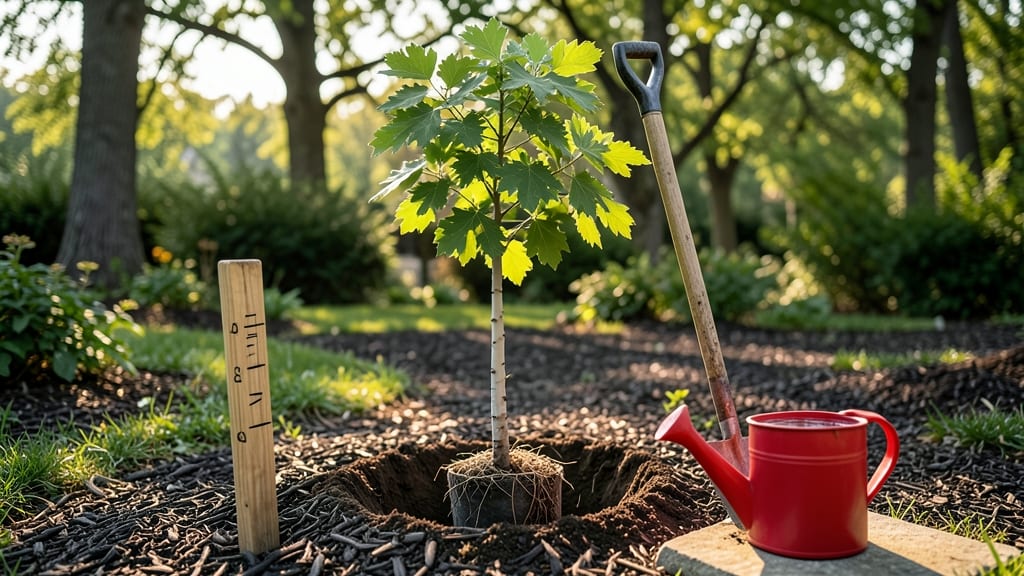
Planting a tree in Iowa at the wrong time can mean weak root systems, stunted growth, or even death—so timing is everything for long-term success in USDA Zones 5-6.
The key to thriving 🌳 lies in understanding when your tree's roots have the best chance to establish before harsh winters or scorching summers hit.
Iowa’s climate gives you two prime windows: early spring (March-April) when the ground thaws but before summer heat arrives, or fall (October-November) when temperatures cool but before frost locks the soil.
Both seasons offer advantages—spring lets roots grow with the tree, while fall gives them a head start on next year’s growth.
But here’s the catch: not all trees thrive equally in these windows. Fast-growing species like willows or silver maples adapt better to spring planting, while hardy oaks or pines often prefer fall.
I’ll break down exactly which trees benefit most from each season and how to prepare your site for maximum success.
Ready to plant with confidence? Let’s dive into the best practices for Iowa’s growing zones, so your tree doesn’t just survive—it thrives from day one.
Optimal planting windows in Iowa: spring vs fall for zone 5-6 trees
Iowa’s USDA Zones 5-6 offer two prime planting windows for trees—early spring and fall—each with unique advantages. The key is understanding soil temperatures, frost dates, and how these factors impact root establishment.
Planting at the wrong time can lead to transplant shock or slow growth, so let’s break down the best strategies for each season.
Spring planting (typically April to early May) allows trees to establish roots before summer heat arrives. However, you must wait until the soil temperature reaches at least 45°F to avoid root damage.
Fall planting (usually September to mid-October) gives roots time to grow before winter dormancy, but you must plant early enough to avoid early frost.
Iowa’s average last frost date is around April 15, while the first frost typically hits October 15. These dates create a 165-day frost-free window, which is crucial for timing your planting.
Let’s compare the two seasons in detail to help you decide which works best for your trees.
Comparison Table: Spring vs. Fall Planting in Iowa
| Factor | Spring Planting (April-May) | Fall Planting (September-October) |
|---|---|---|
| Best Time | After last frost, soil temp ≥45°F | 6-8 weeks before first frost |
| Soil Temperature | 45-60°F (ideal for root growth) | 50-60°F (roots grow until frost) |
| Watering Needs | High (weekly deep watering) | Moderate (bi-weekly until frost) |
| Frost Risk | Low (post-last frost) | Moderate (early frost possible) |
| Best For | Bare-root trees, fast-growing species | Balled-and-burlapped (B&B) trees, slow-growing species |
| Root Establishment | 6-8 weeks before winter | 8-10 weeks before winter |
| Iowa-Specific Tip | Monitor soil moisture; spring rains can cause runoff | Mulch heavily to insulate roots before frost |
For spring planting, focus on bare-root trees like maples or birches, which establish quickly in Iowa’s moist spring soil. Water deeply once a week to encourage root growth, and avoid planting during drought conditions, which can stress young trees.
Fall planting is ideal for balled-and-burlapped (B&B) trees such as oaks or pines, as the cooler temperatures reduce transplant shock. Aim to plant 6-8 weeks before frost—typically by mid-October—to allow roots to settle before winter.
Mulch with 3-4 inches of organic mulch to protect roots from freezing.
Iowa’s climate can be unpredictable, so always check local frost dates and soil temperatures before planting. Use a soil thermometer to confirm conditions, and adjust your timeline if unseasonable weather occurs. For example, if a late spring frost hits in May, delay planting until temperatures stabilize.
One common mistake is planting too late in fall, which can leave trees vulnerable to winter desiccation. Conversely, planting too early in spring risks exposing roots to freezing temperatures. Always prioritize root health over calendar dates—your tree’s long-term success depends on it.
If you’re unsure which season suits your tree best, consider its species and growth rate. Fast-growing trees like willows or poplars thrive with spring planting, while slow-growing species like oak or hickory benefit from fall’s cooler conditions. For fruit trees, fall planting often yields better root-to-shoot ratios.
Remember, Iowa’s microclimates can vary—urban areas may warm up faster than rural zones, so adjust your planting window accordingly. Always test your soil and amend it with compost or
Tree species planting guide: fast-growing vs. slow-growing Iowa trees
Choosing the right time to plant trees in Iowa depends on their growth rate and root development needs. Fast-growing species like silver maples or green ash recover quickly from transplant shock, while slow-growing white oaks need extra care to establish strong root systems.
Iowa’s microclimates—from urban heat islands to rural windbreaks—also play a key role in timing.
For fast-growing trees, spring planting (April) gives them a full growing season to establish roots before winter. Slow-growing species, however, often thrive better in fall (October) when soil is still warm but air temperatures drop, reducing stress.
Understanding these differences can mean the difference between a thriving tree and one struggling to survive.
🌱 Key Consideration: Root flare exposure is critical. Fast-growing trees benefit from bare-root planting in early spring, while balled-and-burlapped slow-growers often fare better in fall when roots can settle before dormancy.
| Tree Type | Growth Rate | Best Planting Time | Root Development Tip |
|---|---|---|---|
| Silver Maple | Fast | Early Spring (April) | Water deeply 2x/week first year |
| White Oak | Slow | Fall (October) | Mulch 3" deep to retain moisture |
| Eastern Redbud | Medium | Spring or Fall | Avoid planting in drought years |
| Pine Trees | Moderate | Fall (October-Nov) | Stake young trees in windy areas |
| Apple/Fruit Trees | Medium-Fast | Early Spring (March-April) | Plant near water source for irrigation |
Iowa’s USDA Zone 5-6 climate means frost dates vary yearly, but general rules apply. Fast-growing trees like green ash or hybrid poplars can handle spring planting because their roots establish rapidly.
In contrast, slow-growing oaks and hickories need fall planting to avoid summer heat stress during their first critical growing season.
For fruit trees, timing is especially critical. Planting in early spring (March-April) gives them time to develop roots before fruit production begins. Delaying until late spring risks poor fruit set. Meanwhile, evergreens like pines should go in fall to prevent winter desiccation from wind and cold.
Pro tip: Test soil moisture before planting. If the ground feels dry 6" deep, wait for rain or irrigate the planting site 2-3 days beforehand. This prevents transplant shock from dehydration, a common issue in Iowa’s variable spring weather.