
Plants
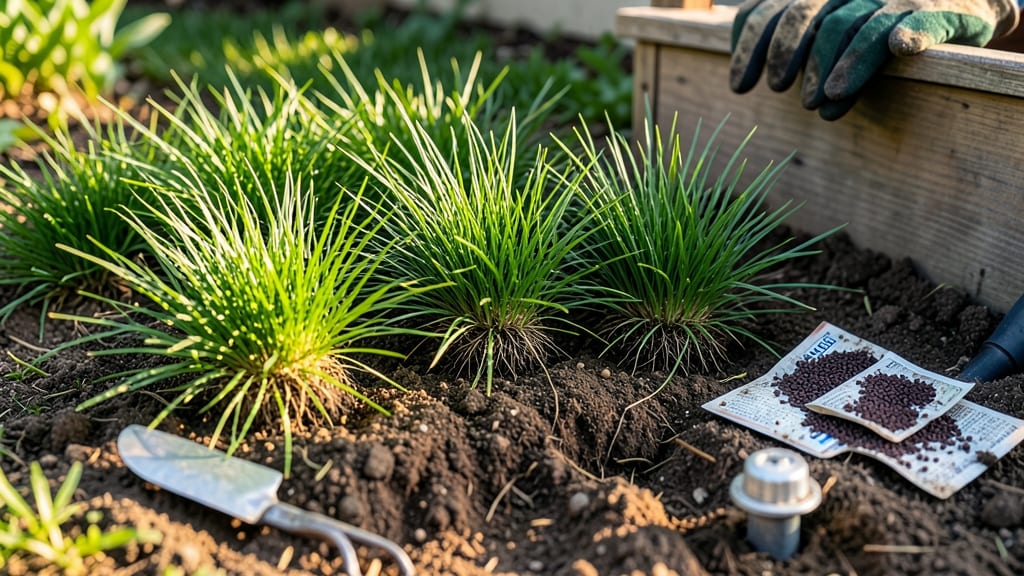
Planting Bermuda grass in Oklahoma at the wrong time can turn your dream of a lush, drought-resistant lawn into a frustrating gamble—especially when summer heat arrives too soon.
If you've ever watched your grass struggle to take root or wilt under Oklahoma's intense sun, you know timing is everything. The key isn't just waiting for spring; it's planting when soil temperatures hit 65°F or warmer, typically between late April and early June in most of the state.
But here's the catch: Northern Oklahoma's cooler climate (like 6b) needs a slightly earlier start, while Southern Oklahoma (8a) can wait until June. I'll break down exactly when to plant based on your county to ensure strong root establishment before the real heat kicks in.
Ready to transform your yard into a resilient Bermuda grass oasis? Let's dive into the perfect planting window for your Oklahoma home.
Optimal planting windows for Bermuda grass in Oklahoma by county (with climate zones)
Oklahoma’s diverse climate zones—from the cooler northern regions to the hotter southern plains—create unique planting windows for Bermuda grass. Planting too early risks frost damage, while late planting can leave your lawn struggling under summer heat.
The key is timing seed germination to occur when soil temperatures stay consistently above 65°F (18°C), ensuring strong root establishment before Oklahoma’s brutal July-August heat sets in.
Bermuda grass thrives in USDA Zones 6b-8a, but Oklahoma’s microclimates mean northern counties like Canadian and Blaine can plant 2-3 weeks earlier than southern counties like Love and McCurtain.
Below, I’ve broken down the optimal planting windows by region, including early spring vs. late spring strategies to maximize success.
⚠️ CRITICAL NOTE: Bermuda grass is a warm-season grass, meaning it goes dormant in winter. Planting too late in spring (after June 15) risks weak root systems that can’t handle Oklahoma’s 100°F+ summer temperatures. Aim for April-May in most regions, with adjustments for early vs. late spring.
🌱 PRO TIP: Use a soil thermometer to confirm soil temps are 65°F+ before planting. In northern Oklahoma, this often means waiting until late April or early May, while southern regions can start as early as mid-March in protected microclimates.
In northern Oklahoma, where frost lingers until mid-April, I recommend waiting until late April for early spring planting. Use black plastic mulch to warm the soil faster if you’re eager to plant earlier.
For central Oklahoma, mid-April is ideal, but be prepared to cover seedlings if a late frost is forecasted.
Southern Oklahoma’s earlier warm-up means you can start as early as mid-March, but monitor soil temperatures closely—planting too soon can lead to seed rot if soils are still cool. The <
How to prepare Oklahoma soil for Bermuda grass planting (step-by-step for fast germination)
Oklahoma’s clay-heavy soils and intense summer heat demand special prep before planting Bermuda grass. Without proper soil preparation, your grass may struggle to establish strong roots, leaving gaps in coverage and inviting weeds.
The key is balancing drainage, pH levels, and organic matter to create an ideal environment for fast germination.
Start by testing your soil’s pH level—Bermuda grass thrives in slightly acidic soil between 6.0 and 7.0. If your soil is too alkaline (common in Oklahoma), you’ll need to lower the pH with sulfur or peat moss.
This step alone can make the difference between sparse growth and a thick, lush lawn. Don’t skip it, even if your soil looks fertile.
Step-by-Step Soil Prep Guide:
-
1
Test Soil pH and Amend as Needed
Use a soil test kit to check pH. For alkaline soil, mix in 2-3 lbs of sulfur per 100 sqft 4-6 weeks before planting. For acidic soil, add lime at 10 lbs per 100 sqft.
-
2
Till Soil to 4-6 Inches Deep
Break up clay compaction with a tiller or rototiller. This improves water penetration and root growth. Avoid over-tilling, which can damage soil structure.
-
3
Add Organic Matter for Drainage
Mix in 2-3 inches of compost or aged manure to improve soil aeration. For heavy clay, blend in sand or perlite (20% sand by volume) to prevent waterlogging.
-
4
Level the Soil Surface
Use a rake or lawn leveler to create a smooth, even surface. Bermuda grass grows best on flat terrain to prevent water pooling, which can suffocate roots.
-
5
Schedule Irrigation Before Planting
Water the soil deeply 2-3 days before planting to encourage seedbed moisture. Aim for 1 inch of water per week during germination (early morning only).
-
6
Apply Starter Fertilizer
Use a high-phosphorus fertilizer (10-20-10) at 0.5 lbs per 100 sqft to boost root development. Avoid nitrogen-heavy fertilizers until after germination.
After completing these steps, your Oklahoma soil will be primed for Bermuda grass germination. The combination of proper pH, improved drainage, and nutrient-rich soil ensures your grass seeds will sprout quickly and establish deep roots before summer’s peak heat arrives.
Pro tip: Cover newly planted seeds with a thin layer of straw mulch to retain moisture and protect them from wind.
Once your Bermuda grass is established, Oklahoma’s drought-resistant variety will reward you with a thick, green lawn that thrives even in the hottest months. Just remember: consistent watering and regular mowing (at 1-1.5 inches) are key to maintaining its health long-term.