
Plants
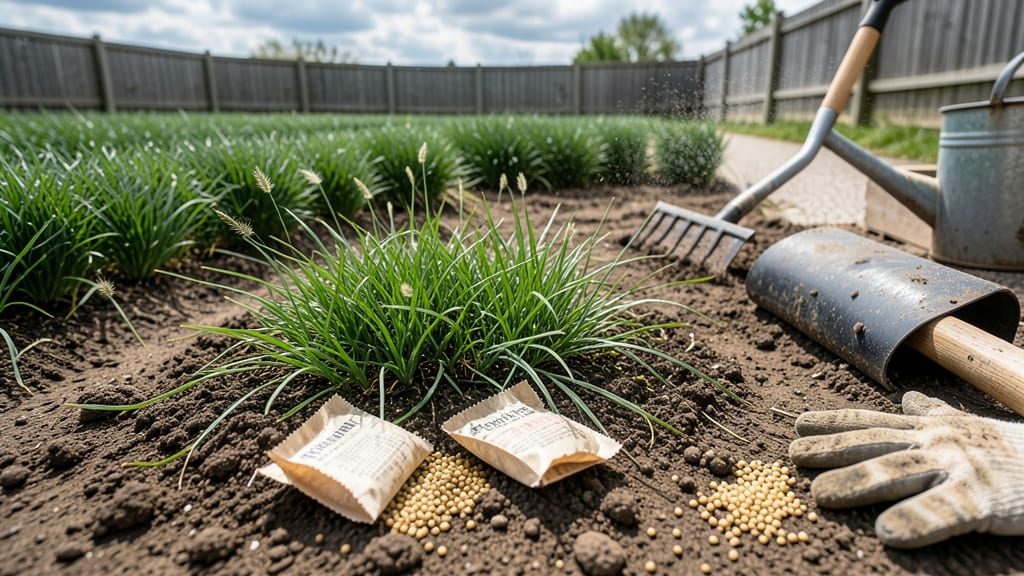
Planting grass in spring feels like a race against time—get it right, and you’ll have a lush lawn by summer; get it wrong, and you’re stuck with patchy, slow-growing 🌱 grass that never quite takes off.
The best time isn’t just about the calendar but about soil temperature, which most gardeners overlook.
In USDA Zone 6a, like where many homeowners live, early to mid-spring is your sweet spot—typically 4-6 weeks after the last frost when the ground warms to at least 60°F.
But here’s the catch: planting too early risks frost damage, while waiting too long means missing the prime window for root growth.
I’ll show you how to read the signs—like soil warmth, sprouting weeds, and daylight length—to nail the perfect timing. Plus, we’ll cover pre-planting prep so your grass doesn’t just survive but thrives from day one.
Ready to skip the guesswork? Let’s dive into the fastest, most reliable way to plant grass this spring without a single misstep.
Optimal soil temperature for planting grass in spring (by region)
Spring lawn planting success hinges on one critical factor: soil temperature. Grass seeds need 50-65°F soil to germinate consistently, but timing varies dramatically between northern and southern regions.
Planting too early risks frost damage, while waiting too long means missing the ideal 6-8 week growth window before summer heat sets in.
Most grass varieties—like tall fescue and Kentucky bluegrass—thrive when soil stays between 55-65°F for at least 7 days. Warmer soils (60°F+) speed germination to just 7-14 days, while cooler soils (50°F) can delay sprouting by 3-4 weeks.
Your region’s last frost date is just the starting point—soil warmth tells the real story.
Here’s how to translate soil temperature into actionable planting windows for your area:
If you’re unsure about your soil temperature, skip the thermometer and use the paper towel test. Press a white paper towel against bare soil for 30 seconds—if it feels warm to the touch (like a coffee mug), it’s likely 60°F+.
For cooler soils, wait until dandelions or clover sprout naturally; these weeds signal 55°F+ soil temperatures.
Cool-season grasses like ryegrass can handle 45°F soil, but they’ll grow slowly. Warm-season grasses (Bermuda, Zoysia) need 65°F+ soil or they’ll rot. Always check the seed packet for your variety’s minimum soil temp—some tropical grasses won’t germinate below 70°F.
Pro tip: Use a soil warming blanket (available at garden centers) to jumpstart germination in cool climates. Lay it over prepared soil for 3-5 days before planting to raise temperatures by 5-10°F. Just remove it before seeding to avoid overheating.
Once your soil hits the sweet spot, act fast. Grass seeds lose viability after 30-60 days in storage, and warm soil encourages weeds to sprout just as quickly. Pre-emergent herbicides can help delay weed competition, but apply them 2-3 days before planting—never after.
Remember: Consistency matters more than perfection. Even if your soil dips slightly below the ideal range for a day or two, seeds can still germinate. The key is maintaining stable warmth—not hitting a single perfect temperature.
Monitor your lawn’s progress and adjust watering to keep soil moist but not soggy during germination.
For regions with unpredictable springs, consider starter fertilizer with high phosphorus (P) to boost root development. Look for a 5-10-10 ratio—this helps seeds establish 2-3x faster in marginal soil conditions. Just don’t overdo it; too much fertilizer can burn tender new shoots.
🌱
5 Signs your spring lawn planting timing is perfect (and 3 mistakes to avoid)
Spring lawn planting can make or break your summer lawn—getting the timing right means the difference between lush green grass and patchy disappointment. I’ve learned the hard way that waiting for the "perfect" calendar date isn’t enough.
Instead, watch for these 5 natural cues that tell you your lawn is ready to thrive. These signs go beyond thermometers and frost charts to give you real-time confirmation.
First, let’s talk about the soil temperature. When the top 2-3 inches of soil consistently stay above 60°F (15°C) during the day, that’s your green light. You can test this by pressing your hand into the soil—if it feels warm (like a cozy cup of tea), it’s ready.
This warmth signals that seeds will germinate quickly and roots will establish strong enough to handle summer heat.
Here’s where most gardeners go wrong: they focus only on air temperature or frost dates. But the soil’s readiness is what truly matters. Cold soil slows germination, leaving your lawn vulnerable to weeds and uneven growth.
I once planted too early in March in my Zone 6 garden, only to watch my seeds rot in the damp, chilly earth. Lesson learned!
Now, let’s talk about the 3 mistakes that sabotage even the best-laid plans. First, planting when the soil is too wet creates a suffocating environment for seeds. I’ve seen entire seed batches drown because the ground was saturated from recent rains.
Always wait until excess moisture has drained—stick your finger 2 inches deep; if it comes out damp but not soggy, you’re golden.
Second, ignoring seed packet instructions for your specific grass type is a recipe for failure. Cool-season grasses like Kentucky bluegrass and fescue thrive when planted in early spring, while warm-season varieties such as Bermuda and Zoysia need summer heat to germinate.
Mismatching your seeds to the season means slower growth or no growth at all. Always double-check!
Finally, rushing to plant after heavy rain or before preparing the soil properly will leave your lawn vulnerable to erosion and poor seed-to-soil contact. Take the time to rake away debris, loosen compacted areas with a garden fork, and level the surface.
A well-prepared seedbed is your best defense against uneven germination and weed competition. When done right, your lawn will reward you with dense, vibrant growth all season long.