
Plants
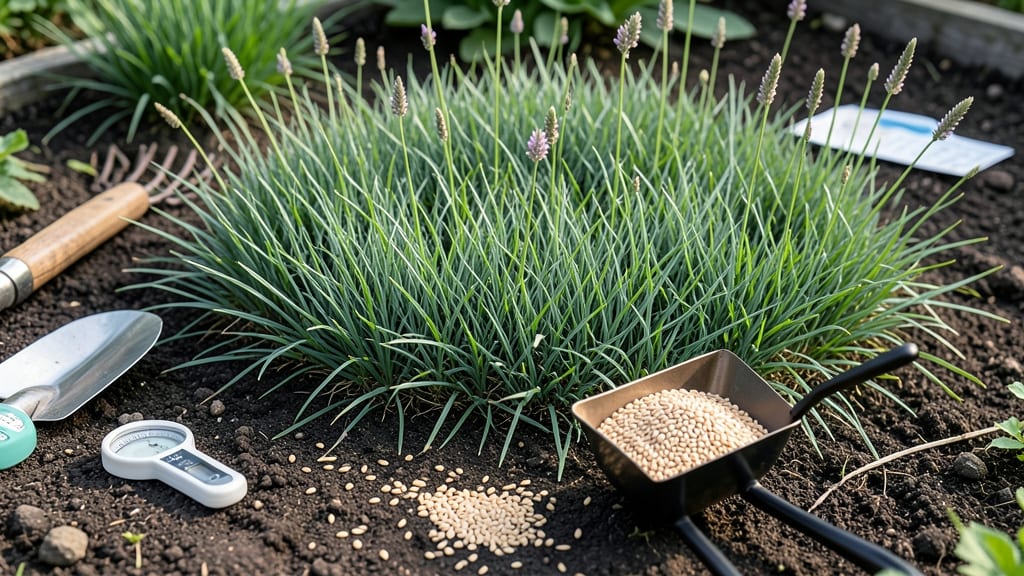
Planting grass in Wisconsin isn’t just about grabbing seed and tossing it on the ground—it’s about timing it perfectly to beat frost, drought, and clay-heavy soil. Miss the window, and you’ll end up with sparse patches or wasted money.
But get it right, and you’ll have a thick, green lawn that survives Wisconsin’s wild swings from 40°F mornings to 90°F afternoons.
Most gardeners assume spring is the only time to plant, but fall often delivers better results—if you play by the rules. The key?
Waiting until soil warms to at least 55°F (around mid-April to early May in most of the state) or planting 6-8 weeks before first frost (usually September to early October). I’ll show you exactly how to read Wisconsin’s frost-free window like a pro.
Why does this matter? Because cool-season grasses (like Kentucky Bluegrass) thrive when planted in Wisconsin’s 4b-5b zones, but they need the right conditions to take root. Too early, and frost will kill seedlings.
Too late, and summer heat will dry them out before they establish. Let’s break down the best months, soil prep tricks, and how to adjust for northern vs. southern Wisconsin’s microclimates.
You’ll also discover how to spot the perfect planting window using soil thermometers, when to overseed vs. start fresh, and which grass types handle Wisconsin’s humidity and freeze-thaw cycles best. Ready to stop guessing and start growing? Let’s dive in.
Wisconsin’s ideal grass planting window by region: soil temperature & frost dates
Wisconsin’s three distinct regions—Northern, Central, and Southern—each have unique frost dates and soil warmth patterns that dictate the best time to plant grass. Getting this timing right means the difference between a thick, green lawn and wasted seed.
Let’s break down the optimal planting windows based on USDA hardiness zones and local climate data.
For all regions, the soil temperature must reach 50°F+ for 4+ weeks before planting. This ensures seeds germinate properly and roots establish before winter. In Wisconsin, this typically aligns with late April to early May in spring and mid-September to early October in fall, but regional variations matter.
Below is a region-by-region breakdown of when to plant grass in Wisconsin, including average last frost dates, soil warmth thresholds, and recommended planting windows. Use this as your guide to avoid common mistakes like planting too early (risking frost damage) or too late (missing the growing season).
🌱
In Northern Wisconsin (USDA zones 4a-4b), the soil warms slowly, so wait until late May for spring planting. Fall planting here must finish by mid-September to avoid early frosts. This region’s shorter growing season means timing is critical—don’t rush!
Central Wisconsin (zones 4b-5a) offers a slightly longer window. You can start as early as early May when soil hits 50°F, but avoid planting after June 1 to prevent summer stress. Fall planting here extends to mid-September, giving you more flexibility.
Southern Wisconsin (zones 5a-5b) is the most forgiving, with earlier last frosts and warmer soils. You can plant as early as mid-April in spring and push fall planting to early October. This region is ideal for warm-season grasses like tall fescue if you’re willing to experiment.
Pro tip: Use a soil thermometer to confirm warmth—don’t rely solely on calendar dates. Cold, wet soils delay germination, even if the air feels warm. Plant when the soil stays above 50°F for 4+ weeks consistently.
For overseeding existing lawns, aim for early fall (September) in all regions. This allows grass to establish before winter while avoiding summer heat stress. In Southern Wisconsin, you might even squeeze in a late summer overseeding (August), but monitor weather closely.
🌿
Remember, Wisconsin’s microclimates can vary even within regions. If you’re near a large lake (like Lake Michigan or Lake Superior), expect cooler soil temperatures that delay planting by 1-2 weeks. Conversely, urban areas with heat islands may warm up faster—adjust accordingly.
By following these region-specific guidelines, you’ll maximize your grass seed’s success rate and avoid the frustration of patchy, slow-growing lawns. Happy planting!
How to test soil warmth & prepare Wisconsin lawns for grass seed success
Wisconsin’s clay-heavy soils and variable spring temperatures demand precise preparation before planting grass seed. Cold soil slows germination, while warm, well-prepared beds give seeds the perfect start.
I’ll walk you through testing soil warmth, adjusting planting depth, and preparing your lawn for Wisconsin’s unique conditions—so you avoid patchy growth and wasted seed.
First, understand that cool-season grasses (like Kentucky Bluegrass) thrive when soil temperatures stay between 55°F and 65°F for at least 4-6 weeks. Warmer soils risk seed dormancy, while colder soils delay germination.
Use a soil thermometer to check depth—aim for 2-3 inches deep, where seeds will settle. In Wisconsin, this often means waiting until late April to early May for spring planting.
Use a soil thermometer to check 2-3 inch depth. Ideal temps: 55°F–65°F for 4+ weeks. In Wisconsin, this usually aligns with late April–early May for spring planting.
Rent a core aerator to remove 2-3 inch soil plugs. This loosens clay-heavy Wisconsin soil, improving seed-to-soil contact. Do this 2–4 weeks before planting for best results.
Apply a pre-emergent herbicide (like corn gluten meal) 1–2 weeks before planting. This blocks weed seeds while letting grass establish. Avoid post-emergent herbicides—they’ll kill your new lawn.
Spread 1/4 inch of compost or peat moss over the soil. This improves drainage in clay soils and adds nutrients. Lightly rake to mix into the top 1/2 inch of soil.
Use a lawn rake to smooth the surface. Remove rocks and debris, then drag a leveling board over the area to create a uniform planting surface—critical for even seed distribution.
Spread seed with a broadcast spreader, then lightly cover with 1/4 inch of soil or straw mulch. Keep the area moist with daily watering (1/4 inch per day) until germination (7–21 days).
Wisconsin’s clay soils can compact easily, so aeration is non-negotiable. If your lawn has thick thatch (over 1/2 inch), dethatch first to ensure seeds reach the soil. For shady areas, choose fine fescue—it tolerates low light better than Kentucky Bluegrass and germinates well in cooler soils.
After planting, avoid foot traffic for at least 4–6 weeks to prevent seed displacement. Use a lightweight row cover if birds or squirrels are a problem.
Once the grass reaches 3–4 inches tall, you can mow—never cut more than 1/3 of the blade height at a time to encourage deep roots.
With these steps, your Wisconsin lawn will establish faster and stronger, ready to handle summer heat and winter freezes. The key? Patience and preparation—don’t rush planting, and your grass will reward you with a thick, green carpet by next summer. 🌱