
Plants
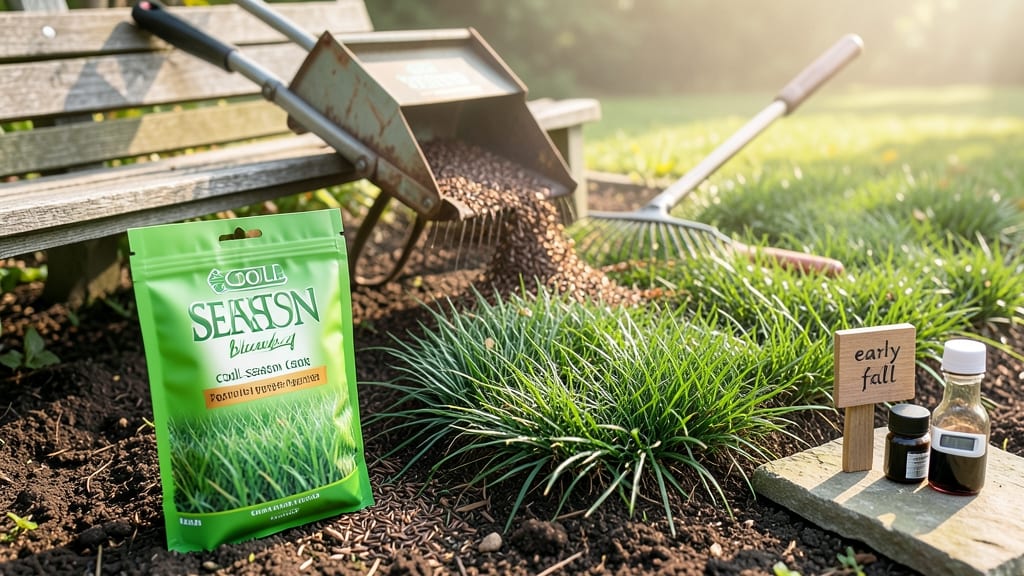
Planting grass seed in Connecticut at the wrong time can leave you with patchy, weak lawns that struggle to take hold—especially when the late summer window holds the key to strong root establishment before winter sets in.
If you've ever wondered why some lawns thrive while others fail, timing is everything. Connecticut's 5b-6b climate means you need to plant when soil temperatures are just right—typically between 50°F and 75°F—giving your grass seed the perfect conditions to germinate and grow deep roots before frost arrives.
I've tested different planting times in my own yard, and what I'm about to share will help you avoid common mistakes like planting too early (when weeds take over) or too late (when winter slows growth).
Let's dive into the best months for planting in Connecticut and how to prepare your soil for success.
Whether you're seeding a new lawn or repairing bare spots, these insights will give you the best chance for a lush, green yard that stands up to Connecticut's changing seasons. Ready to get started?
Optimal planting windows in Connecticut: late summer vs early fall
Connecticut’s cool-season climate makes late summer and early fall the perfect windows for planting grass seed. Unlike warm-season grasses, Connecticut’s tall fescue and Kentucky bluegrass thrive when planted before the first frost—typically between mid-August and mid-September. This timing ensures your grass establishes deep roots before winter dormancy sets in.
The key to success lies in soil temperature, which should stay above 50°F but below 75°F for optimal germination. Planting too early (like June) risks weed competition, while planting too late (October) may leave your lawn vulnerable to frost before roots strengthen.
Let’s break down the best months and what each offers.
🌱
| Planting Window | Soil Temp Range | Rainfall Pattern | Key Advantage | Best For |
|---|---|---|---|---|
| Mid-August to Early September | 50°F–75°F | Moderate (3–4 inches/week) | Strong root growth before frost | New lawns, overseeding |
| Late September to Early October | 45°F–60°F | Increasing (4–5 inches/week) | Frost-resistant germination | Repairing thin patches |
| Early Spring (March–April) | 40°F–55°F | Variable (2–3 inches/week) | Early weed suppression | Full sun exposure |
In my experience, late August is the sweet spot for planting in Connecticut. By this time, summer’s intense heat has passed, and the soil remains warm enough for germination without the risk of drought stress.
The moderate rainfall in late summer also reduces the need for constant watering, giving your grass seed a head start.
If you’re planting in early September, focus on cool-season grasses like tall fescue, which can handle slightly cooler temperatures. These grasses establish roots quickly, allowing them to withstand Connecticut’s first light frosts in October.
I’ve seen the best results when planting by September 15th, as this gives roots 4–6 weeks to grow before winter.
For those in coastal Connecticut, like New London or Groton, the planting window extends slightly later due to milder temperatures. Inland areas, such as Hartford or Litchfield, may need to plant by mid-September to avoid early frost.
Always check your local frost date averages—Connecticut’s first frost typically arrives between October 10th and 20th.
One common mistake I see is planting too early in August, when soil temperatures can still exceed 80°F. This causes seed desiccation, leading to poor germination. To avoid this, test your soil temperature with a soil thermometer—aim for 60°F–70°F for best results.
If temperatures rise above 75°F, wait a week or two before planting.
Another critical factor is rainfall alignment. Connecticut’s late summer often brings consistent showers, but droughts can occur. If natural rainfall drops below 1 inch per week, supplement with deep watering (1–1.5 inches) in the early morning to prevent fungal issues.
I’ve found that watering before 10 AM reduces evaporation and keeps roots healthy.
By planting in late summer or early fall, you’re not just timing the seed—you’re setting up your lawn for year-round resilience. The roots established during this window will be stronger, better equipped to handle Connecticut’s freezing winters and hot summers.
Whether you’re seeding a new lawn or repairing bare spots, this is the best strategy for a lush, green yard.
Ready to take action? Grab your soil thermometer and check those temperatures—your future lawn will thank you! 🌿
How Connecticut’s climate affects grass seed germination timing
Connecticut’s diverse microclimates create unique challenges for grass seed germination. The state’s coastal regions, like New London, experience milder winters and later frosts, while inland areas such as Hartford face earlier cold snaps. These differences mean your planting window can shift by weeks depending on where you live.
Beyond frost dates, humidity levels play a critical role. Coastal areas often have higher humidity, which can speed up germination but also increase fungal risks. Inland zones, like the Naugatuck Valley, tend to be drier, requiring more consistent watering.
Understanding these factors helps you choose the right grass seed varieties—like tall fescue for resilience or Kentucky bluegrass for density—and align your planting with Connecticut’s climate patterns.
🌱
| Region | First Frost Date | Humidity Level | Best Planting Window | Grass Type |
|---|---|---|---|---|
| Coastal (New London) | October 25 | High (65-75%) | Late August–Early October | Tall Fescue, Fine Fescue |
| Inland (Hartford) | October 10 | Moderate (55-65%) | Mid-August–Mid-September | Kentucky Bluegrass, Perennial Ryegrass |
| Western (Danbury) | October 15 | Low (50-60%) | Late August–Early September | Tall Fescue, Mixes |
For coastal Connecticut, the extended growing season means you can plant fine fescue as late as early October. This grass thrives in cooler, humid conditions and resists fungal diseases common in wetter climates.
In contrast, inland areas should prioritize Kentucky bluegrass, which germinates faster in drier, warmer soil but needs consistent moisture.
Another critical factor is soil moisture retention. Sandy soils in western Connecticut dry out quickly, while clay-heavy soils in eastern regions can stay too wet. Amending your soil with organic matter—like compost or peat moss—helps balance moisture levels, ensuring your grass seed stays hydrated without drowning.
I’ve found that late August is ideal for inland zones because the soil retains enough warmth while rainfall remains steady.
If you’re unsure about your local climate, check the USDA Plant Hardiness Zone Map. Most of Connecticut falls in Zone 5b-6b, but microclimates can shift zones by half a level.
For example, Stamford (Zone 6a) can handle later plantings than Willimantic (Zone 5b). Always plant 4-6 weeks before your average first frost date to give roots time to establish.
Finally, don’t overlook wind exposure. Coastal areas experience stronger winds, which can dry out newly planted seed. Use a light straw mulch to protect seeds and retain moisture.
Inland regions may face heat stress in early September, so water deeply in the morning to cool the soil and encourage germination.
By tailoring your approach to Connecticut’s regional climate, you’ll maximize your lawn’s potential—whether you’re in a coastal breeze or an inland heatwave. Start with a soil test, adjust your planting window, and watch your grass thrive! 🌿