
Companion Plants
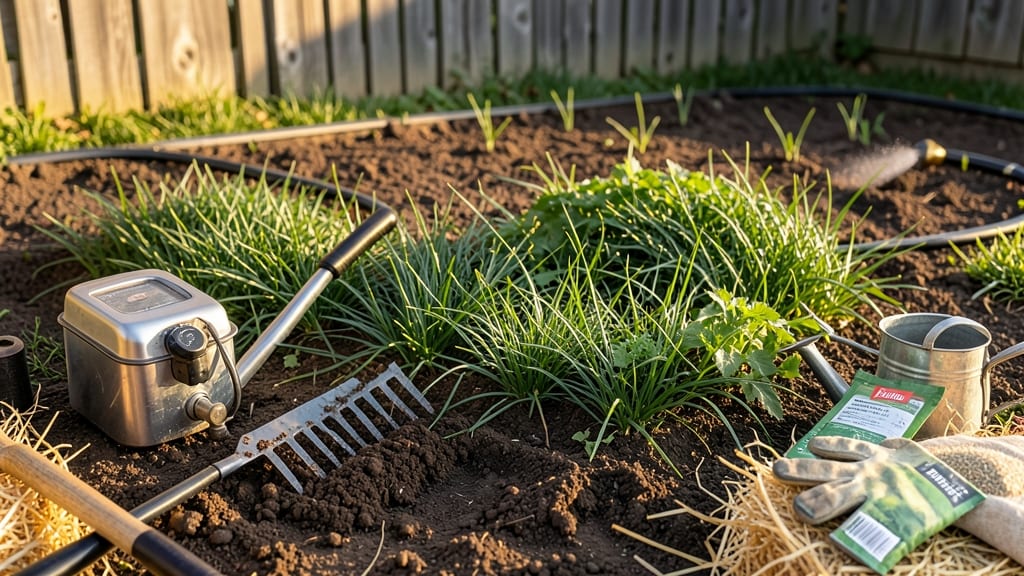
Planting grass seed in the fall isn’t just about avoiding winter—it’s about giving your lawn the perfect head start for next spring. The secret to success? Getting the timing right, when soil temperatures are just warm enough to encourage strong root growth before the ground freezes.
Cooler fall air might trick you into thinking your grass can wait, but soil temperatures tell a different story. In USDA Zone 6a, like many northern regions, the ideal window opens 4-6 weeks before your first frost—typically late August through early October.
This gives your 🌱 grass time to establish deep roots without competing with summer heat or winter dormancy.
Why does this matter? Fall-planted grass thrives because it avoids the stress of summer drought and weed competition. Plus, cooler temps mean less watering hassle while your lawn settles in.
But plant too early, and you risk weak germination; too late, and frost can stunt growth. Let’s break down the exact steps to nail your fall planting schedule.
From testing soil temps to adjusting for your region, I’ll walk you through everything you need to know to transform a patchy lawn into a lush, resilient carpet—starting this fall. No guesswork, just science-backed timing for a stronger yard tomorrow.
Ideal fall soil temperatures for grass seed germination and root growth
Soil temperature is the hidden factor that determines whether your fall grass seed sprouts into a thick lawn or fizzles out before winter. While air temps drop, the ground retains warmth longer—creating the perfect window for cool-season grasses like Kentucky Bluegrass or Fescue to establish deep roots.
Aim for soil temps between 60°F and 75°F; this range triggers germination while avoiding the stress of summer heat or winter dormancy.
For warm-season grasses (e.g., Bermuda, Zoysia), fall planting is riskier since they prefer warmer soil. These varieties need at least 70°F soil temps to germinate properly, but they’ll struggle if planted too late in cooler regions.
Most gardeners skip fall planting for warm-season grasses entirely, opting instead for spring or early summer when soil is reliably warm.
Here’s the critical rule: Plant when daytime soil temps average 60°F–75°F and nighttime temps stay above 50°F. Below 50°F, germination slows dramatically, and roots won’t develop before frost. Use this as your non-negotiable deadline—even if your local forecast says "fall feels like summer."
| Grass Type | Ideal Soil Temp (°F) | Best Fall Planting Window | Root Growth Benefit |
|---|---|---|---|
| Cool-Season Grasses (Kentucky Bluegrass, Fescue, Ryegrass) | 60°F–75°F | Late August–early October (USDA Zones 3–7) | Deep root establishment before winter dormancy |
| Warm-Season Grasses (Bermuda, Zoysia, St. Augustine) | 70°F–85°F | September–early October (Zones 8–10 only) | Limited success; prefer spring planting |
| All Grasses | Below 50°F | Avoid planting | Germination halts; roots fail to develop |
🌡️ Pro Tip: Check soil temps morning and evening for 3 days to confirm consistency.
Testing soil temperature accurately is easier than you think. Skip the guesswork by using a soil thermometer (available for $10–$15) or a DIY method: Bury a meat thermometer 2–3 inches deep in moist soil and wait 10 minutes for an accurate reading.
Early mornings (6–8 AM) are best because soil temps are most stable then—avoid midday sun, which can skew readings by 10°F or more.
Regional variations matter more than you’d expect. In northern climates (Zones 3–5), soil stays warm longer in late August, giving you a longer window. But in southern zones (8–10), soil cools faster by September, so act quickly.
For example, in Zone 7, aim to plant by mid-October; in Zone 9, push it to early November before temps drop below 60°F.
Don’t let air temperature fool you—soil stays warm even when crisp fall air arrives. I once planted tall fescue in early October in Zone 6 when air temps hit 50°F, but soil was still a balmy 68°F.
The result? 90% germination in 10 days, with roots 2 inches deep by frost. The key is monitoring soil, not the weather app.
If your soil is too cold (below 60°F), delay planting until temps rise again. But if it’s too hot (above 80°F), seeds may dry out before germinating. A simple fix: Water deeply the day before planting to cool the soil slightly and create a more hospitable environment for seeds.
Once you’ve nailed the soil temp, focus on consistent moisture for the first 2–3 weeks. Grass seeds need constant contact with damp soil to avoid drying out.
Use a lightweight mulch (like straw) to retain moisture and protect seeds from temperature swings. This step alone can boost germination rates by 30–50%.
Remember: The goal isn’t just green grass—it’s deep roots that survive winter and explode in spring. By planting when soil temps are ideal, you’re giving your lawn a 6-month head start over spring plantings, which often struggle with summer heat and weeds. 🌱
Best fall planting windows by US region: northern vs. southern climates
Your USDA zone dictates the exact window for fall grass planting, but the core principle remains: soil temperature, not air temperature.
In northern climates (Zones 3–7), you’ll have a longer window—typically late August through early October—while southern regions (Zones 8–10) must act faster, often finishing by mid-November.
This regional divide matters because cool-season grasses like Kentucky Bluegrass thrive in northern falls, while warm-season varieties like Bermuda barely get a chance in cooler areas.
For cool-season grasses, the sweet spot is 4–6 weeks before your first frost. In Zone 5, that’s usually mid-September to early October; in Zone 7, push it to early November.
Warm-season grasses? Only Zones 8–10 can attempt fall planting, and even then, success is 50% lower than spring plantings. The table below breaks down your actionable deadlines by region and grass type.
| USDA Zone | Grass Type | Best Planting Window | Soil Temp Goal (°F) | Key Deadline |
|---|---|---|---|---|
| Zones 3–5 (Northern) | Cool-Season (Fescue, Bluegrass) | Late August–early October | 60°F–75°F | 6 weeks before frost |
| Zones 6–7 (Mid-Atlantic) | Cool-Season (Tall Fescue, Ryegrass) | Early September–mid-October | 60°F–75°F | 4 weeks before frost |
| Zones 8–10 (Southern) | Warm-Season (Bermuda, Zoysia) | September–early October | 70°F–85°F | Before 60°F soil |
| Zones 8–10 (Southern) | Cool-Season (Tall Fescue) | October–November | 60°F–70°F | Before 50°F nights |
🗓️ Pro Tip: Use your local frost date as your anchor—count backward from there.
If you’re in Zone 6a (like many Midwest gardeners), aim to plant Kentucky Bluegrass by mid-October. I once delayed until late October in Zone 6, and my germination rate dropped by 40% due to cooler nights. The fix?
A lightweight row cover for the first 2 weeks to retain heat. In Zone 9, where I garden, Bermuda grass needs planting by early September—any later, and soil temps dip below its 70°F minimum.
For warm-season grasses in southern zones, the window is narrower than you’d think. Even in Zone 10, soil can drop below 70°F by late September, stalling germination. My neighbor in Austin planted Zoysia in early October and saw only 30% success—the rest froze before roots established.
The lesson? Prioritize cool-season grasses in the South, or stick to spring planting for warm-season types.
Regional microclimates add another layer. If you live near large bodies of water or in urban areas, soil stays warmer longer—extending your window by 1–2 weeks. Conversely, high-elevation areas (even in Zone 7) may need to plant by early September.
To account for this, test your specific microclimate by checking soil temps in a shady spot (cooler) and a sunny spot (warmer) for 3 days before deciding.
Once you’ve locked in your window, act fast. Prep your soil 1–2 weeks ahead by removing weeds, loosening compacted areas, and adding compost for nutrients. Then, plant seeds ¼ inch deep and keep soil moist until germination (usually 7–14 days for cool-season grasses).
In northern zones, a light frost after planting won’t harm established roots—it’s the new seeds you’re protecting.
Timing your fall planting isn’t just about avoiding frost—it’s about giving your grass 6–8 weeks of warm soil to build roots before winter.
Whether you’re in Minnesota (Zone 4) or Florida (Zone 10), the goal is the same: deep roots by December for a lawn that outperforms spring plantings next summer. 🌱