
Plants
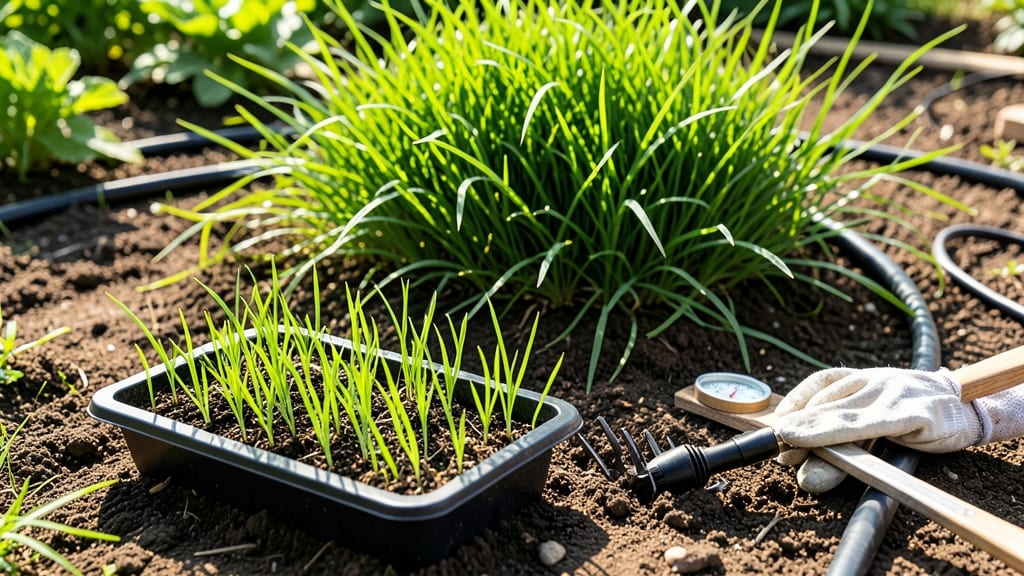
Planting Bermuda grass seed in North Carolina at the wrong time can turn your lawn dreams into a frustrating gamble—especially when soil temperatures and frost dates play such a big role.
Unlike cool-season grasses, Bermuda thrives only when the ground stays warm, meaning a late April to early June window is your best bet for spring planting, while fall offers another chance in August through September.
But here’s the catch: your county’s last frost date and microclimate matter just as much as the calendar. In Zone 6a, you’ll need to wait until after March 15, while Zone 8b gardeners can start earlier.
Skipping this step often leads to seeds sitting dormant or worse, getting fried by unexpected cold snaps.
I’ve seen firsthand how a few weeks’ difference can mean the difference between a lush, green lawn and a patchy, struggling mess.
That’s why I’ll break down the exact soil temperature thresholds—65°F+—and how to adjust your planting timeline based on whether you’re in the Coastal Plain, Piedmont, or Mountains.
Ready to avoid the most common mistakes? Let’s dive into the science-backed timing, soil prep, and care tips that’ll help your Bermuda grass take root like a pro—no guesswork required.
NC soil temperature & frost-free deadlines for Bermuda grass seed planting
Bermuda grass thrives only when soil temperatures stay above 55°F, but for optimal germination, aim for 65°F+. This warm-season grass won’t tolerate cold, so planting too early risks frost damage or seeds sitting dormant.
North Carolina’s diverse climate—from the Coastal Plain to the Mountains—means your frost-free window varies dramatically by county.
In Zone 6a (Mountains), wait until after May 1 to plant, while Zone 8b (Coastal Plain) gardeners can start as early as late April. The key is matching your planting to when soil warmth aligns with the last frost date, which can differ by 30 days across the state.
Here’s the critical data you need to time your Bermuda grass seeding perfectly:
For example, in Raleigh (Zone 7b), you’ll want to plant between May 1 and June 15 when soil temperatures consistently reach 65°F. In Asheville (Zone 6b), wait until mid-May to avoid late frosts that can kill young seedlings.
If you’re in the Coastal Plain, like Wilmington, you can start as early as late April, but monitor soil temps closely—55°F is the minimum, but 65°F+ ensures faster germination. The 30-day window after your last frost date is your best bet for success.
Pro tip: Use a soil thermometer to confirm warmth before planting. Bury it 2 inches deep in a shaded spot for the most accurate reading. If temps dip below 55°F at night, delay seeding until conditions stabilize.
Fall planting is another option in NC, but it must happen 6-8 weeks before your first frost. In Zone 8b, this means August through early September, while Zone 6a gardeners should aim for late July to mid-August.
Remember, Bermuda grass seeds need consistent warmth to germinate. If you plant too early and hit a cold snap, your seeds may rot in the soil. Always check the 10-day forecast for stable temperatures before seeding.
Once you’ve nailed the timing, prepare your soil by tilling to 2-3 inches deep and removing weeds. Bermuda grass spreads aggressively, so give it room to thrive without competition.
With the right timing and soil prep, your Bermuda grass will establish a dense, drought-resistant lawn in just 3-4 weeks. Don’t let a few weeks’ delay ruin your chances—plan ahead using these guidelines!
How to adjust planting timing for Bermuda grass varieties in NC
Not all Bermuda grass varieties grow at the same pace or tolerate cold equally, which means your planting schedule should match the type you choose. For example, Tifway and Celebration are faster-spreading varieties that need consistent warmth to establish, while Riviera has better cold tolerance but grows slower.
These differences can shift your ideal planting window by 2-3 weeks, especially in NC’s varied climate.
In Zone 8b (Coastal Plain), I recommend planting Tifway in late April to early May when soil temps hit 65°F+. This variety thrives in heat but struggles with late frosts, so avoid planting before your last frost date.
Meanwhile, Riviera, which handles cooler temps better, can be seeded as early as mid-April in the same zone—just monitor soil warmth closely.
Here’s how to adjust your timing based on the Bermuda grass variety you choose:
In Zone 6a (Mountains), where frosts linger longer, I always recommend waiting until mid-May for most varieties. Celebration, in particular, struggles with cold snaps, so I delay planting until soil temps stay above 65°F for 5+ days.
For Midnight Bermuda, which has the best cold tolerance, you can start as early as early April in Zone 8b or late March in Zone 6a—but only if nighttime temps stay above 50°F.
Fall planting is another strategy, especially for Riviera or Midnight, which can handle cooler soil temps. In Zone 8b, aim for August through early September when soil temps remain above 70°F.
In Zone 6a, shift to late July to mid-August to avoid early frosts. The key is planting 6-8 weeks before your first frost to allow roots to establish before dormancy.
Pro tip: If you’re unsure about your variety’s cold tolerance, check the seed packet for USDA Zone recommendations. Most Bermuda grass varieties are rated for Zones 7-10, but some like Midnight extend to Zone 6.
Always err on the side of waiting—one extra week of warmth can mean the difference between a thriving lawn and a failed project.
Once you’ve planted, keep soil moisture consistent for the first 3-4 weeks to encourage germination. Bermuda grass varieties like Tifway and Celebration will show visible growth in 10-14 days if conditions are ideal, while Riviera may take 2-3 weeks to sprout.
Adjust your watering schedule based on your variety’s growth rate and your local climate.