
Plants
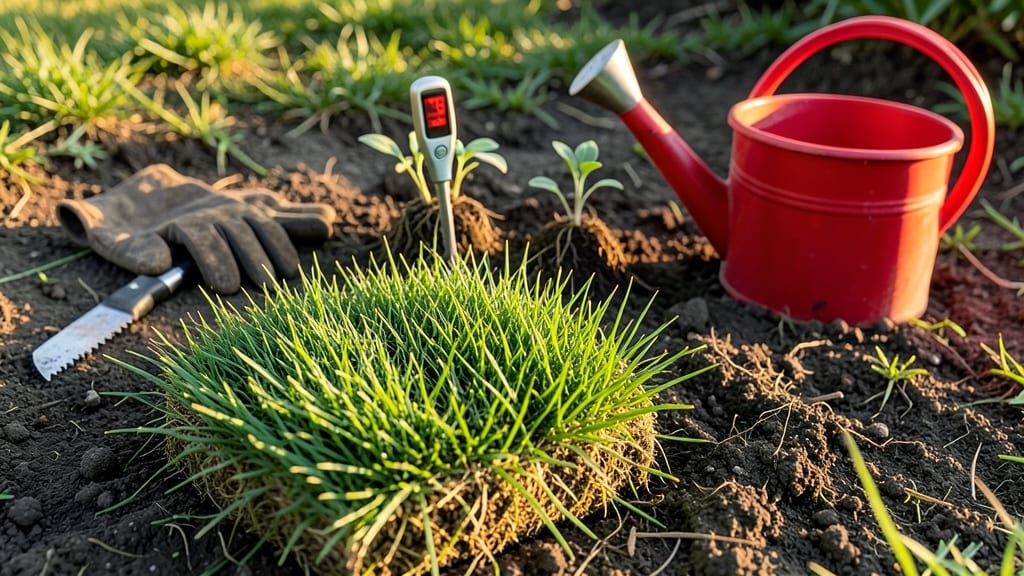
Planting Bermuda Grass 🌱 in Phoenix at the wrong time means fighting the heat instead of letting your lawn thrive—so timing isn’t just important, it’s everything.
Phoenix’s 9b climate demands precision: too early, and your grass wilts before roots take hold; too late, and summer’s intensity stifles growth before it starts. The sweet spot?
Late winter through early spring when soil temperatures hit 65°F, giving your Bermuda Grass the head start it needs to outpace the Arizona sun.
I’ve seen firsthand how a February-March planting leads to lush, deep-rooted lawns by summer, while off-season attempts often leave homeowners scrambling with patchy, heat-stressed grass. Let’s break down the exact window—and what to do differently—to ensure your Bermuda Grass dominates Phoenix’s landscape from day one.
You’ll discover how to prep your soil, schedule watering for maximum efficiency, and even leverage Phoenix’s monsoon season to your advantage. No more guessing—just a step-by-step plan tailored for Arizona’s unforgiving (but beatable) conditions.
Optimal planting months for Bermuda grass in Phoenix’s climate zones
Phoenix’s USDA Zone 9b-10a climate creates unique challenges for Bermuda grass planting. Unlike cooler regions, timing must account for soil temperatures that rise quickly and monsoon patterns that can disrupt early growth. The key is planting when the grass can establish deep roots before summer heat sets in permanently.
Most gardeners in Phoenix focus on two primary planting windows: April-May for cool-season transitions and June-July for summer heat resistance. Each window requires different preparation to ensure success in Arizona’s 110°F+ temperatures and low humidity conditions.
Here’s how to determine the best time for your specific microclimate:
| Planting Window | Soil Temperature Threshold | Key Considerations | Microclimate Notes |
|---|---|---|---|
| April-May | 65°F+ (18°C+) | Cool-season transition; lower water needs; ideal for seed planting | Best for elevated areas (e.g., North Phoenix) with cooler nights |
| June-July | 75°F+ (24°C+) | Summer heat resistance; higher water needs; ideal for sprig planting | Best for low-lying areas (e.g., South Phoenix) with heat retention |
| August-September | 80°F+ (27°C+) | Monsoon prepping; risk of fungal growth; use drought-resistant varieties | Avoid in shaded microclimates (e.g., canyon homes) |
April-May planting aligns with Phoenix’s spring transition when daytime temperatures average 85-95°F but nights remain cool. This window allows Bermuda grass to establish roots before the 100°F+ summer heat arrives. I recommend using seed varieties like ‘Tifway’ or ‘Riverdale’ for this period, as they germinate well in 65-70°F soil.
For June-July planting, shift to sprig planting (plugs or sod) to bypass germination delays. The grass will establish faster in 75°F+ soil, but you’ll need deep watering (1.5 inches per week) to prevent heat stress.
Varieties like ‘Midiron’ or ‘Northbridge’ handle summer heat better due to their drought tolerance.
Phoenix’s microclimates play a huge role—North Phoenix stays cooler due to higher elevation, while South Phoenix can hit 115°F+ in shaded areas. Test your soil temperature with a soil thermometer (insert 4 inches deep) before planting. If it’s below 65°F, wait 1-2 weeks for optimal germination.
Another critical factor is monsoon season (July-September). Planting in August-September risks fungal diseases from excess moisture, but it’s ideal for repairing thin lawns using drought-resistant plugs. Always choose well-draining soil (sandy loam is best) to avoid waterlogging during monsoons.
Pro tip: If you’re planting in April-May, apply a slow-release fertilizer (16-4-8 NPK) to boost early growth. For June-July plantings, skip fertilizer until September to avoid stressing the grass during peak heat. Always water deeply in the morning to prevent evaporation.
Remember, Bermuda grass in Phoenix isn’t just about timing—it’s about adapting to your specific microclimate. Whether you’re in Scottsdale’s cooler foothills or Glendale’s heat sink, these guidelines will help you plant for success. The goal is deep root establishment before summer, so don’t rush the process!
How Phoenix’s heat and monsoon seasons affect Bermuda grass establishment
Phoenix’s extreme heat waves and monsoon rains create unique challenges for Bermuda grass establishment. If planted too early, seedlings may struggle with soil crusting from summer heat, while late planting risks shallow roots before winter dormancy.
Understanding these seasonal shifts helps your lawn develop deep, drought-resistant roots before the next growing season.
The key to success lies in timing watering and soil prep during August-September monsoons, when sudden downpours can wash away young plants. Meanwhile, October-November offers the best window to push root growth before cooler months slow activity. Let’s break down how to navigate these critical phases.
🌱 Critical Factors for Phoenix Bermuda Grass Establishment
- 🔥 Drought Tolerance Timeline: Bermuda grass needs 4-6 weeks of consistent moisture after planting to establish roots. Phoenix’s 100°F+ heat can dry soil in 24 hours if not monitored.
- 🌧️ Monsoon Prep (Aug-Sept): Pre-soak soil 24 hours before planting to prevent erosion. Use straw mulch to retain moisture during sudden downpours.
- ⏳ Root Depth Acceleration: Aim for 4-6 inches of roots before winter. Deep water 2x weekly in fall to encourage downward growth.
- ❄️ Winter Dormancy Prep: Reduce watering to every 10-14 days in December to harden roots. Avoid fertilizing—grass won’t grow but needs minimal moisture.
- 🌿 Post-Monsoon Recovery: Rake away compacted soil after rains to improve aeration. Overseed bare spots in October for faster green-up.
Bermuda grass thrives on heat and sun, but Phoenix’s intense summer droughts demand proactive care. Once roots reach 3-4 inches deep, your lawn can survive 30+ days without rain—a critical trait for Arizona’s water restrictions.
Start by testing soil moisture daily for 2 weeks post-planting to adjust watering schedules.
Monsoon season (July-September) brings unpredictable rainfall, which can either drown seedlings or wash away topsoil. To protect young plants, install swales or berms to redirect runoff. Pair this with slow-release fertilizer in late August to give roots a growth boost before cooler weather slows activity.
As temperatures drop in October-November, focus on deep watering to push roots downward. This prepares Bermuda grass for winter dormancy while maintaining 30% soil moisture. Use a soil probe to check moisture levels—roots should extend 6+ inches deep by December.
Remember, Bermuda grass in Phoenix isn’t just about surviving the heat—it’s about outsmarting the climate. By aligning planting with monsoon transitions and fall root growth, you’ll create a lawn that stays green longer and recovers faster after dormancy. The key? Consistency in watering and patience during establishment.