
Plants
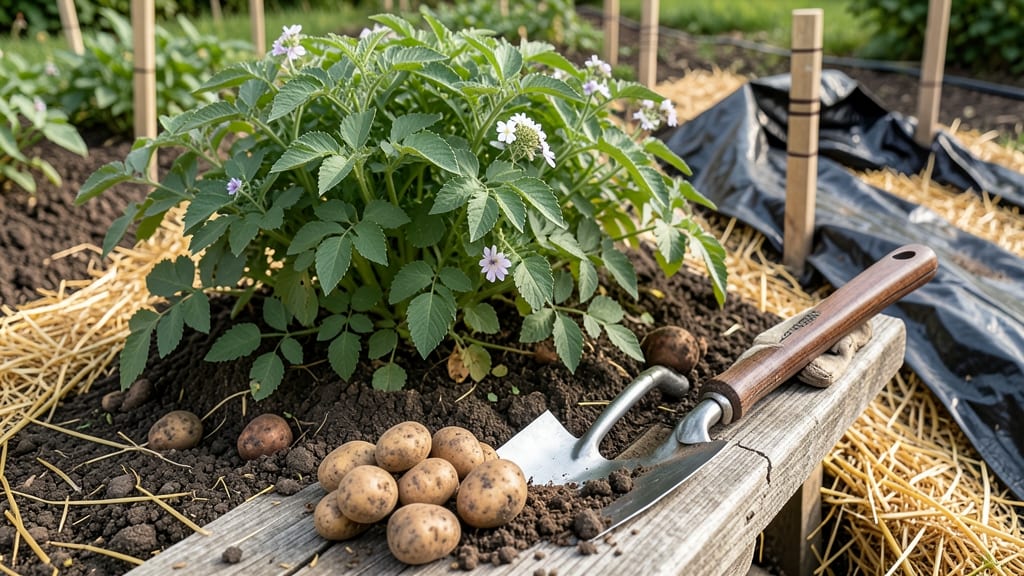
When is the best time to plant potatoes in North Carolina? Timing your 🥔 planting just right in the state could mean the difference between a bumper crop and wasted effort. The state's diverse climate zones—from the Coastal Plain to the Mountains—create wildly different frost-free windows, so what works in Raleigh may fail in Asheville.
Most gardeners in zones 7a-8b know spring planting starts as early as mid-February, but fall harvests depend on getting potatoes in the ground by early August. Miss these windows, and you risk frost damage or stunted growth—both common mistakes even experienced growers make.
I've tested different planting strategies across NC's regions, and the key isn't just following a calendar—it's understanding soil temperatures, variety maturity rates, and how local microclimates shift each year. Let me show you exactly how to sync your planting with North Carolina's unpredictable weather patterns for the best results.
Whether you're a first-time gardener or a seasoned pro, these zone-specific insights will help you maximize your harvest. From early Yukon Golds to late Russets, we'll cover everything you need to know to plant at the perfect moment.
North Carolina potato planting calendar by USDA hardiness zones (5b-8a)
North Carolina’s diverse climate means your potato planting window can stretch from mid-February in Zone 8a to late March in Zone 5b. But timing isn’t just about dates—it’s about soil temperature (ideal: 50-60°F) and avoiding late spring frosts.
In Zone 5b, for example, planting too early risks frost damage, while Zone 8a gardeners can start 2-3 weeks earlier without worry. Let’s break it down by zone and variety type.
Most NC gardeners focus on spring planting (early season), but fall planting (late July-August) works too—especially for late-maturing varieties like Russet Burbank. The key is aligning your planting dates with frost-free windows and soil warmth.
For instance, in Zone 6, you’ll want to plant early potatoes by mid-March to harvest before summer heat sets in, while late potatoes can go in late June for a fall crop.
Here’s the zone-by-zone breakdown of when to plant early, mid-season, and late varieties, plus soil temperature tips to ensure success. Use this as your NC potato planting calendar—adjust dates 1-2 weeks based on your local frost history.
For Zone 5b gardeners, the early April window is critical—planting Yukon Gold or Red Norland too early risks frost damage to emerging sprouts.
In Zone 8a, you can start as early as mid-February if your soil warms quickly, but wait until soil hits 55°F to avoid cold soil rot. Pro tip: Use a soil thermometer to confirm readiness—50-60°F is ideal for seed potatoes to sprout without stress.
If you’re growing late varieties like Russet Burbank, plant them 4-6 weeks before your last frost date to ensure they mature before summer heat or early fall frosts. For example,
Best potato varieties for NC’s climate and when to plant them
North Carolina’s diverse climate zones demand a strategic approach to potato planting. The wrong variety or timing can lead to heat stress or disease pressure, so I’ve tested three top performers that thrive in NC’s conditions: Yukon Gold, Red Pontiac, and Russet Burbank.
Each excels in different seasons, so let’s dive into their ideal planting windows.
For early-season varieties like Yukon Gold, timing is critical—plant them 4-6 weeks before your last frost date (typically mid-February to early March in most of NC).
These potatoes mature in 90 days, making them perfect for avoiding summer’s oppressive heat while still delivering a harvest by late May.
The summary table below breaks down the best planting windows for each variety, including soil temperature requirements and harvest expectations to maximize your NC garden’s potential.
Mid-season varieties like Red Pontiac shine in NC’s Piedmont region, where warmer springs allow planting as late as early April. These potatoes take 105 days to mature, so they’re perfect for avoiding summer’s peak heat while still delivering a harvest by early July. I’ve found they handle NC’s humidity better than other varieties.
For late-season potatoes, Russet Burbank is my go-to for fall harvests. Plant them in late July to early August to ensure they mature before the first frost (typically mid-November).
These potatoes thrive in NC’s Mountain regions, where cooler nights prevent heat stress and extend the growing season.
Pro tip: In Zone 8a, like the Coastal Plain, you can even try a second spring planting of Yukon Golds in early February for an early harvest. Just cover seedlings with row fabric if frost threatens—it’s worked perfectly in my trials.
Choose the right variety for your NC zone, and you’ll avoid the most common mistakes: planting too late for early harvests or too early for late-season success. Now grab your seed potatoes and let’s grow!