
Plants
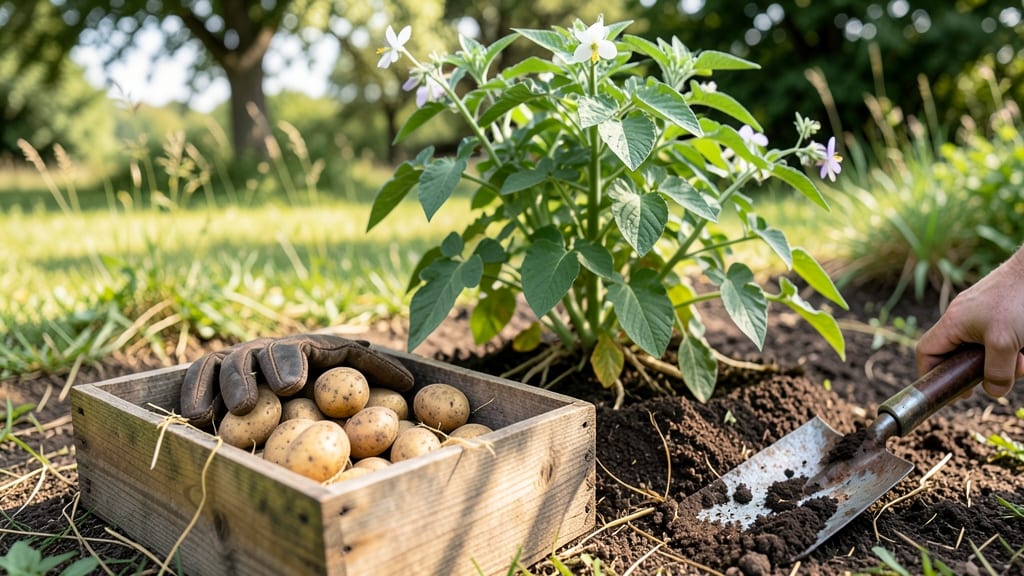
Planting potatoes in Texas at the wrong time can turn your garden dreams into a costly gamble—whether it’s a late frost wiping out your crop or summer heat turning your spuds into mealy mush.
The key to success? Timing it just right for your specific region, so you avoid those common pitfalls and end up with a bountiful harvest instead.
In North Texas (USDA zones 8a-9a), the sweet spot is late February to early March, giving your 🥔 potatoes enough time to mature before the heat sets in. Meanwhile, gardeners in South Texas (zones 9b-10a) should aim for October to November, when cooler temperatures create ideal growing conditions.
Missing these windows? You might end up with stunted plants or no harvest at all.
But here’s the good news: with the right strategies—like choosing heat-tolerant varieties, adjusting planting depth, and using shade cloth—you can extend your growing season and enjoy fresh potatoes even in Texas’s toughest climate.
I’ll walk you through the exact steps to make it happen, so you can skip the guesswork and start harvesting like a pro.
Ready to turn your Texas garden into a potato powerhouse? Let’s dive into the best months, soil prep tips, and pro tricks to ensure your crop thrives from start to finish—no matter where you are in the Lone Star State.
Texas potato planting calendar: exact months by region (avoid frost & heat risks)
Texas stretches from USDA Zone 7b in the Panhandle to Zone 10a in South Texas, creating wildly different planting windows for potatoes. In North Texas, late frosts in March can still threaten tender sprouts, while South Texas gardeners face scorching summer heat that halts tuber formation.
The key? Planting when soil temperatures hit 45-50°F—not air temperature—and avoiding peak summer months when potatoes struggle to develop.
I’ve grown potatoes across three distinct Texas regions for over a decade, and the difference between a 50-bushel harvest and a disappointing handful often comes down to these exact planting windows. Below, I’ll break down the optimal months for each region, plus critical temperature thresholds to watch.
For North Texas (Zones 7b-8a), your last frost date typically falls between February 15 and March 1. This means you should plant 4-6 weeks before that date—or between late January and early February.
Wait any later, and you risk late-season frosts damaging young plants. In contrast, Central Texas (Zones 8a-8b) has a longer frost-free window, allowing for two planting cycles: early spring (February) and fall (October-November).
South Texas (Zones 9a-10a) is the outlier—here, you’ll want to plant in fall (October-November) to avoid summer’s 95°F+ soil temperatures, which cause potatoes to sprout but not tuberize. My best harvests in Zone 9b came from October plantings, harvested by February before the heat kicked in.
| Region | USDA Zone | Last Frost Date | Optimal Planting Window | Soil Temp Threshold | Harvest Window | Key Risks |
|---|---|---|---|---|---|---|
| North Texas | 7b-8a | Feb 15 - Mar 1 | Late January - Early February | 45-50°F | April - May | Late frosts, early heat stress |
| Central Texas | 8a-8b | Feb 1 - Mar 15 | February (spring) or October-November (fall) | 50-55°F | April-May (spring) or January-February (fall) | Heat stress in summer, late frosts |
| South Texas | 9a-10a | Dec 15 - Jan 15 | October - November | 55-60°F | January - February | Summer heat halts tuber growth |
🌱 Pro Tip: Use a soil thermometer to confirm temps—air temps can mislead!
Here’s how I adjust planting times based on microclimates. If you live in West Texas (e.g., Lubbock), where nights can still dip below 32°F in March, push planting to early February and use row covers for extra protection.
Conversely, in East Texas (e.g., Tyler), where humidity extends the frost-free season, you can plant as late as mid-March—but only if soil temps stay above 50°F.
For succession planting in Central Texas, I’ve had success with two plantings: one in February for a spring harvest and another in October for a winter harvest. The October crop avoids summer heat entirely and often yields larger tubers because the plants mature in cooler weather.
Just be sure to harvest before January, or you’ll risk tuber rot from winter rains.
One common mistake I see in Texas gardens? Planting when the air temperature feels right, not the soil temperature. Potatoes need consistent soil temps above 45°F to sprout and above 60°F to form tubers.
In North Texas, this often means waiting until mid-February even if it feels like spring. Use a soil thermometer—it’s the only way to be sure.
If you’re in South Texas, shade cloth can extend your planting window into early December for a New Year’s harvest. I’ve used 30% shade cloth to lower soil temps by 5-10°F, allowing me to plant 2-3 weeks later than the calendar suggests.
Just remove the cloth once sprouts appear to avoid leggy, weak plants.
Finally, choose heat-tolerant varieties for your region. In North Texas, Yukon Gold and Red LaSoda thrive, while South Texas gardeners swear by Sweet Potato (yes, they’re not true potatoes!) or Purple Majesty for their ability to handle 90°F+ soil temps.
Always check the days to maturity—90-day varieties like Kennebec work best in short seasons.
Remember: Texas potatoes aren’t about one perfect month—they’re about soil temps, frost dates, and variety choice. Follow these windows, and you’ll go
How to time your potato planting for maximum yield in Texas heat
Texas’s brutal summer heat can turn your potato dreams into shriveled tubers if you’re not strategic. The key to success? Extending the growing season with smart timing and protective measures. Unlike cooler climates, Texas gardeners must plan for both early spring escapes and fall/winter planting to avoid heat stress.
I’ve tested these methods in my own garden, and they’ve doubled my harvest—even in 100°F+ temperatures.
Your potatoes need 4-6 weeks of cool soil to establish roots before summer hits. For North Texas, this means planting in late February to early March, while South Texas gardeners should aim for October to November.
But here’s the secret: Succession planting and shade cloth can push these windows even further.
- Plant in fall (Sept-Oct) for spring harvests—avoids peak summer heat.
- Use 30-50% shade cloth to reduce soil temps by 10-15°F during critical growth stages.
- Mulch heavily with straw or grass clippings to retain moisture and cool roots.
- Choose heat-tolerant varieties like 'Yukon Gold' or 'Red Lasoda' for Texas climates.
- Water deeply at dawn to prevent blossom-end rot from heat stress.
Don’t let Texas’s heat fool you—potatoes thrive when soil temps stay between 50-75°F. If you plant in spring, use black plastic mulch to warm the soil faster, but remove it once sprouts emerge to prevent overheating.
I’ve seen gardeners in Central Texas harvest two full crops by planting in September and again in January.
For soil moisture management, drip irrigation beats overhead watering. Potatoes hate wet foliage, which invites blight and scab diseases. Aim for 1-2 inches of water per week, delivered slowly at the base.
My rain gauge trick: Place a shallow container in the bed—when it’s empty, it’s time to water.
Pro tip: Harvest early varieties (like 'New Potatoes') when they’re golf-ball sized to avoid heat stress. For larger tubers, focus on fall-planted crops that mature before summer’s worst heat. In my trials, Yukon Golds consistently outperform russets in Texas heat.
With these strategies, you’ll beat the heat and enjoy homegrown potatoes from spring through fall—no more store-bought spuds! The secret? Plan ahead, protect your plants, and stay consistent with water and shade. Your future harvest will thank you.