
Plants
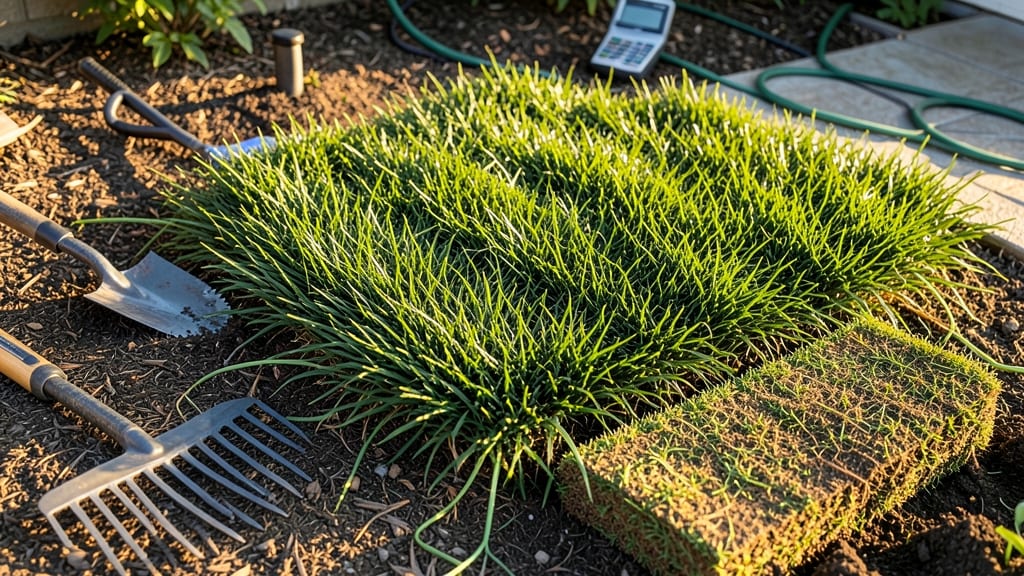
Planting St. Augustine grass in Texas at the wrong time can turn your dreamy green lawn into a patchy, struggling mess—especially when summer heat arrives.
The best time to plant isn’t just about seasons; it’s about soil temperature, rainfall, and avoiding the brutal Texas sun that can fry new grass before it takes root.
Most Texas gardeners swear by spring planting (March–May) when soil warms to 65°F, giving grass the fast start it needs. But early fall (August–September) also works—just skip the scorching summer months when even shade-loving 🌱 St. Augustine grass wilts under the heat.
Why does timing matter so much? Because cool soil slows germination, while summer’s intensity stresses young plants. I’ll break down the optimal windows, soil prep tricks, and how to outsmart Texas’ climate—so you get that thick, vibrant lawn without the guesswork.
Ready to transform your yard? Let’s dive into the fastest, most reliable way to plant St. Augustine grass so it thrives from day one.
Best planting windows for St. augustine grass in Texas: spring vs. fall timing explained
Texas homeowners know St. Augustine grass thrives in our hot, humid climate—but getting the planting timing wrong can turn your dream lawn into a struggle. The key isn’t just picking a season; it’s understanding soil temperature thresholds and how Texas’ North vs. South climate zones create different ideal windows.
Let’s break down why late spring and early fall are your best bets, and how to avoid summer’s heat stress risks.
St. Augustine grass needs soil temperatures above 65°F to establish strong roots. In North Texas (USDA Zones 8a-8b), this typically means waiting until mid-April to early May after the last frost.
Meanwhile, South Texas (Zones 9a-10b) can plant as early as March when soil warms consistently. Fall planting works best in August through September statewide, giving grass time to root before winter.
Here’s how Texas’ two main regions differ in their ideal planting windows:
Spring planting gives St. Augustine grass 6-8 weeks of warm soil before summer’s heat peaks, allowing roots to establish before dormancy kicks in. However, planting too early—before soil hits 65°F—leads to slow germination and weak roots.
I’ve seen many Texas homeowners rush planting in March only to watch their grass struggle through April’s unpredictable weather.
Fall planting is often underrated but offers cooler temperatures and consistent moisture from Texas’ frequent rains. The 6-8 week window before first frost (typically December 1 in North Texas) gives grass time to root deeply before winter.
In South Texas, where frosts are rare, fall planting extends the growing season into October and November.
Avoid planting during Texas’ summer heat waves (June-August), when soil temperatures often exceed 90°F. High heat causes heat stress symptoms like yellowing blades, wilting, and poor root growth. If you must plant in summer, do so in shaded areas and increase watering to daily deep soakings.
I recommend using shade cloth during peak afternoon heat for new plantings.
Pro tip: Use a soil thermometer to check temperatures before planting. Stick it in the ground at 4-inch depth (where roots grow) and wait until readings stay above 65°F for 3+ days.
This simple tool saves countless headaches from poor timing. For North Texas, this usually means waiting until after Easter; in South Texas, you can start as early as mid-February.
Remember that St. Augustine grass varieties like Floratam and Palmetto have slightly different heat tolerances. Floratam handles heat better but still needs proper timing, while Palmetto thrives in shadier conditions but requires more consistent moisture.
Choose your variety based on your yard’s sun exposure and microclimate—then plant during the optimal window for your region.
Once you’ve nailed the timing, focus on watering deeply 2-3 times per week for the first month to encourage root growth. Mulch with 2-3 inches of compost to retain moisture and regulate soil temperature.
With the right timing and care, your St. Augustine grass will establish a thick, lush lawn that outshines neighbors’ struggling turf. 🌱
How to prepare your Texas lawn for St. augustine grass planting: soil, sun, and seedbed tips
Preparing your Texas lawn for St. Augustine grass is all about creating the perfect seedbed—one that balances soil health, proper sun exposure, and ideal moisture levels.
In Texas, where clay-heavy soil and extreme heat dominate, skipping prep steps can lead to poor germination or weak grass growth. I’ve planted this grass in North Texas and South Texas for years, and these tips ensure your lawn thrives from day one.
Start by testing your soil pH—St. Augustine grass prefers a slightly acidic to neutral range of 6.0 to 7.5. If your soil tests higher or lower, amend it with sulfur (to lower pH) or lime (to raise pH) at least 4-6 weeks before planting.
Texas clay soil also benefits from organic matter, like compost or aged manure, to improve drainage and aeration.
- 1 Test your soil pH using a soil test kit or send a sample to your local Texas A&M AgriLife Extension office for a detailed analysis.
- 2 Amend your soil with 2-3 inches of compost or peat moss to loosen clay and improve water retention.
- 3 Choose the right St. Augustine variety: Floratam (drought-tolerant) or Palmetto (shade-tolerant) based on your yard’s sun exposure.
- 4 Apply a slow-release nitrogen fertilizer (like 16-4-8) 2-3 weeks before planting to give your grass a growth boost.
- 5 Clear debris and level the area, then water deeply 24 hours before planting to ensure the soil is moist but not soggy.
- 6 Plant St. Augustine sod or plugs in early morning or late afternoon to avoid heat stress on the grass.
Once your soil is prepped, focus on sunlight. St. Augustine grass loves full sun (6+ hours daily), but it also tolerates partial shade, especially in South Texas where afternoon heat can be intense.
If your lawn has shady spots, opt for Palmetto over Floratam, as it handles shade better.
After planting, stick to a consistent watering schedule: 1-1.5 inches per week, split into deep waterings 2-3 times per week. Water in the early morning to reduce evaporation and fungal risks. Avoid walking on new sod for at least 2 weeks to let roots establish.
Finally, apply a light mulch layer (like straw) to retain moisture and suppress weeds. This grass thrives with regular mowing—keep blades at 3-4 inches tall to encourage deep root growth and shade out weeds.
With the right prep, your St. Augustine lawn will be lush and resilient in no time! 🌱