
Plants
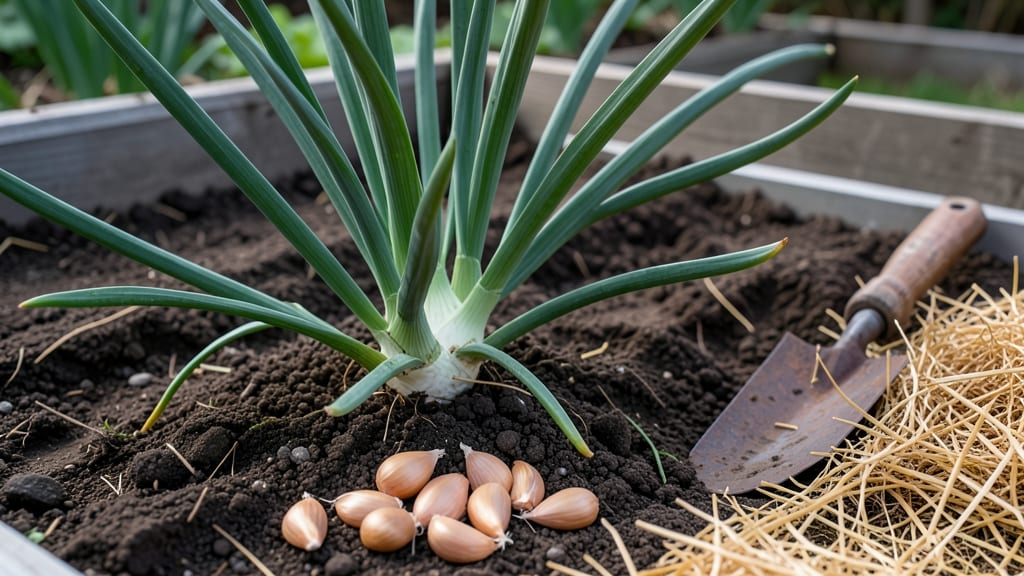
Planting garlic in South Texas at the wrong time means watching your 🧄 cloves sprout too early—or worse, rot before they ever form bulbs.
The key to success here isn’t just picking a month; it’s reading your region’s microclimate like a pro, because coastal areas and inland zones behave differently even within Zone 9a.
Most gardeners assume "fall planting" means October, but in South Texas, that window actually stretches from mid-September through November—with critical adjustments based on whether you’re near the Gulf or tucked under the Hill Country’s dry air.
I’ll break down exactly when to tuck those cloves into the soil for maximum yield, so you avoid the two biggest mistakes: planting too soon (and getting bolting) or too late (and missing dormancy triggers).
What you’ll discover is that zero-frost varieties like ‘Creole’ or ‘Texas White’ are your secret weapon here, but even they need the right chill hours to form bulbs.
We’ll cover soil prep tricks for our sandy loam soils, how to handle those pesky January freezes without smothering your crop, and why your neighbors’ "perfect" timing might be failing you.
By the end, you’ll know not just when to plant, but how to time it with your local weather patterns for bigger, healthier bulbs—even when Mother Nature throws a curveball. Let’s get those cloves in the ground the right way.
Optimal fall planting windows for South Texas garlic varieties
South Texas gardeners face a unique challenge with garlic planting: our mild winters and unpredictable freezes demand precision timing. Unlike northern climates, garlic in South Texas doesn't need frost to form bulbs—it just needs consistent cool temperatures.
The key is planting before soil temperatures drop below 60°F, which triggers dormancy without proper bulb development.
Your planting window spans just 6-8 weeks, making timing critical. Hardneck varieties (like 'Texas White') perform best in inland areas, while softnecks (like 'Silverskin') handle coastal humidity better. Even elephant garlic thrives here with proper timing—it just needs slightly longer to mature.
🌱 Here's your region-specific planting guide:
| Garlic Type | Coastal (USDA 9b) | Inland (USDA 9a) | Key Notes |
|---|---|---|---|
| Softneck (e.g., Silverskin) | Oct 15 - Nov 15 | Oct 1 - Nov 10 | Humidity-tolerant; store longer |
| Hardneck (e.g., Texas White) | Oct 20 - Nov 5 | Sep 25 - Oct 20 | Needs cooler nights; scapes for harvest |
| Elephant Garlic | Oct 10 - Nov 20 | Sep 30 - Oct 25 | Larger bulbs; 300+ days to mature |
| Soil Temp Threshold | 60°F (15°C) | 55°F (13°C) | Use soil thermometer; adjust 2 weeks earlier for sandy soils |
For coastal areas like Corpus Christi or Galveston, aim for the later end of these windows. Humidity delays soil cooling, giving you extra time. Inland areas (San Antonio, Austin) should plant 2-3 weeks earlier—dry air cools soils faster. Always check 7-day forecasts for unexpected cold snaps.
Pro tip: Pre-chill your cloves for 4-6 weeks in the fridge before planting. This mimics winter conditions and jumpstarts growth. Store cloves in a mesh bag in the crispest drawer (35-40°F) to prevent sprouting. Never plant frozen or sprouted cloves—they won't establish properly.
Your harvest window runs from late April through June, but don't wait too long. Once lower leaves turn straw-colored and crispy, the bulbs are ready. Elephant garlic may need until mid-June to reach full size. Use a fork to loosen soil before pulling to avoid breaking bulbs.
One common mistake? Planting too shallow (less than 2 inches). In South Texas's sandy soils, cloves can dry out or sprout unevenly. Press cloves 2-3 inches deep with the pointy end up—this ensures proper root development. Space rows 12 inches apart to allow airflow and reduce fungal risks.
If you're in a transition zone (like the Hill Country), consider mulching heavily with straw after planting. This insulates against 28°F dips that can damage emerging shoots. Remove mulch in spring once temperatures stay above 50°F consistently.
Remember: South Texas garlic thrives without frost, but it still needs 120-180 days of cool weather (below 70°F). If your winter stays too warm, your bulbs may stay small. Monitor nighttime lows—aim for 50-60°F ranges for optimal bulb formation. 🌱
How to adjust planting for South Texas weather quirks
South Texas winters are famously unpredictable—one day it’s 75°F, the next you’re scrambling to cover plants from a surprise 30°F dip. For garlic, this means timing your planting around soil temperature cues and rainfall patterns is just as critical as the calendar date.
Unlike northern climates, our garlic doesn’t need frost to mature; it just needs consistent cool weather to trigger bulb formation. Here’s how to stay ahead of Mother Nature’s mood swings.
Start by monitoring soil temperatures—aim to plant garlic when the ground is between 60°F and 70°F. Use a soil thermometer to check depths of 2-3 inches, as surface temps can be misleading.
In South Texas, this usually falls in mid-October to early November, but coastal areas (like Corpus Christi) may need to plant 2-3 weeks earlier due to milder winters. Inland regions (like San Antonio) can wait until late October without risking bolting.
If you plant garlic in September or early October and we get an unexpected heatwave (which we often do), your cloves will sprout prematurely and exhaust their energy before winter.
This leads to small, weak bulbs or even bolting—where the plant sends up a flower stalk instead of forming a bulb. Wait for consistent 70°F soil temps for at least 5 days before planting.
Rainfall is another wildcard in South Texas. Garlic needs moderate moisture but hates waterlogged soil, which can rot cloves before harvest. If your forecast predicts heavy rains after planting, amend your soil with compost or sand to improve drainage.
A 1-inch layer of mulch (straw or shredded leaves) will also help regulate soil moisture and protect cloves from temperature swings. Avoid synthetic mulches—they can trap too much heat and disrupt dormancy.
When it comes to protecting garlic from freezes, South Texas gardeners often overdo it. A light frost (28°F) won’t harm mature garlic bulbs, but young plants (under 6 weeks old) are vulnerable.
Instead of covering with plastic or thick row covers (which can suffocate plants), use frost cloths or even old bedsheets loosely draped over plants. Remove them by 10 AM to let sunlight warm the soil.
For hard freezes (below 25°F), consider a low tunnel with clear plastic to trap heat without trapping humidity.
One trick I’ve learned is to plant garlic in raised beds or on south-facing slopes. These microclimates warm up faster in the morning and hold heat longer at night, giving your garlic a 2-3°F advantage during cold snaps.
If you’re in a low-lying area where cold air pools, plant on a slight incline or use black plastic mulch to absorb and radiate heat. This small adjustment can mean the difference between a bountiful harvest and a disappointing yield.
Finally, don’t forget to harvest garlic before the heat of summer. In South Texas, this usually means pulling bulbs by late May or early June before temps climb above 90°F. If left in the ground too long, bulbs will split or sprout, reducing storage life.
Cure them in a shady, dry, well-ventilated space for 2-3 weeks before braiding or storing. With these adjustments, you’ll beat South Texas’ weather quirks and enjoy plump, flavorful garlic year after year.