
Companion Plants
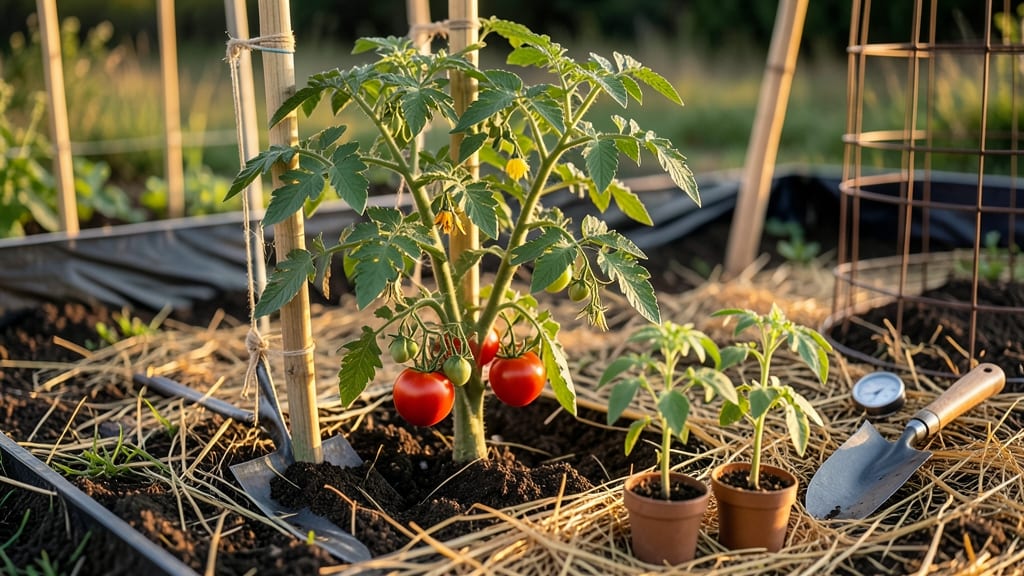
When is the best time to plant tomatoes in Missouri?—it’s all about catching that narrow frost-free window when your 🍅 plants stand a real chance to thrive. Getting the timing wrong means either losing them to late frosts or watching them wilt under summer’s heat. Here’s the game-changer: Missouri’s USDA zones 5b-6b give you a critical window—typically between April 15 and June 1—to get those seeds in the ground or transplants planted. But timing isn’t one-size-fits-all; your exact dates depend on whether you’re in St. Louis, Kansas City, or the Ozarks. I’ll break down the best planting strategies for your region, from soil temperature tricks to variety picks that handle Missouri’s humidity and pests. Whether you’re a first-time gardener or a seasoned grower, these insights will help you avoid common pitfalls and maximize your harvest. Ready to turn your garden into a tomato powerhouse? Let’s dive into the exact steps to plant for success—no guesswork, just results.
Missouri’s frost-free window for tomatoes: exact planting dates by region
Timing your tomato planting in Missouri means avoiding late spring frosts while maximizing the 165-day frost-free window. The Show-Me State spans USDA zones 5b-6b, creating regional differences in last frost dates that can vary by 2-3 weeks.
For example, northern Missouri (like Columbia) typically sees frost until April 25, while southern areas (like Poplar Bluff) often clear by March 20. Always check your local Missouri State Climate Office data for precision.
Your planting window opens when soil temperatures hit 60°F and nighttime temps stay above 50°F. In St. Louis (Zone 6a), this usually lands between April 15-25, while Kansas City (Zone 6b) gardeners can start around April 20-30.
For Springfield (Zone 6a), aim for April 20 or later. Use a soil thermometer to confirm readiness—cold soil slows seedling growth and invites damping-off disease.
Missouri’s unpredictable weather demands flexibility. If you’re growing early-maturing varieties (like ‘Early Girl’ or ‘Stupice’), you can plant 2-3 weeks before the average last frost date.
For heirlooms or indeterminate types, wait until May 1-15 to ensure full-season growth. Always monitor your local National Weather Service forecasts for late-season cold snaps.
Here’s a quick reference for Missouri’s major regions, including transplanting windows and harvest timelines based on historical data:
| Region | USDA Zone | Last Frost Date | Planting Window | Harvest Window | Notes |
|---|---|---|---|---|---|
| Northern MO (Columbia, Kirksville) | 5b | April 25 | May 1-15 | July 15-Oct 15 | Shorter season; choose early varieties |
| Central MO (Jefferson City, St. Louis) | 6a | April 15 | April 20-May 10 | June 20-Oct 10 | Moderate length; versatile for all types |
| Western MO (Kansas City, Springfield) | 6b | April 10 | April 15-May 5 | June 15-Oct 5 | Longer season; ideal for heirlooms |
| Southern MO (Poplar Bluff, Cape Girardeau) | 7a | March 20 | March 25-April 15 | May 15-Nov 1 | Longest season; heat-tolerant varieties |
For gardeners in microclimates (like urban heat islands or valley areas), adjust your planting by 1-2 weeks earlier. For example, St. Louis’ urban core often warms up faster than rural Franklin County.
Use row covers or cold frames to extend your window by 2-3 weeks if late frosts threaten. Always harden off seedlings for 7-10 days before transplanting to avoid shock.
Missouri’s humidity and summer heat (often exceeding 90°F) can stress tomato plants, so prioritize afternoon shade during peak summer. Start seeds indoors 6-8 weeks before your region’s last frost date to ensure robust seedlings.
Use grow lights if natural light is limited—tomatoes need 14+ hours of light daily for optimal growth. For container growing, plant after May 15 to avoid root stress from cool soil.
Pro tip: Mark your calendar for June 1 as the absolute last date to plant tomatoes in most of Missouri. After this, new seedlings won’t have enough time to mature before first frost (Oct 15).
If you miss this window, opt for fast-maturing cherry varieties like ‘Sweet 100’, which can ripen in 55-60 days. Always mulch with straw or shredded leaves to retain moisture and regulate soil temperature.
Missouri’s variable rainfall adds another layer of complexity. Drought years (like 2022) can shrink your harvest window, while wet springs may delay planting. Test your soil’s drainage and pH (6.0-6.8 ideal) before planting—tomatoes hate soggy roots.
Amend heavy clay soil with compost or sand to improve aeration. For sandy soils, mix in peat moss to retain moisture.
Track your local frost-free history over 3-5 years to refine your planting schedule. The <
Best tomato varieties for Missouri’s short vs. long growing seasons
Missouri’s short growing season and unpredictable summer heat demand tomato varieties that balance early maturity with heat tolerance. Early-season varieties like ‘Early Girl’ (45-55 days) are my go-to for northern Missouri, while southern regions can stretch to ‘Celebrity’ (60-75 days).
The key is matching your last frost date with a variety’s days to maturity—plant too late, and even heat-resistant types like ‘Solar Fire’ (80+ days) struggle.
For northern Missouri (USDA Zone 5b), prioritize disease-resistant varieties that mature before summer humidity spikes. My top pick is ‘Mountain Merit’—it thrives in cooler soils and resists verticillium wilt and fusarium wilt, two common Missouri pests.
Southern Missouri (Zone 6b) can handle larger-fruited varieties like ‘Better Boy’, but only if planted by May 15 to avoid blossom drop from heat stress.
Here’s how I rank varieties by heat tolerance, disease resistance, and yield potential for Missouri’s climate:
Mid-season varieties like ‘Celebrity’ and ‘Jetstar’ (60-75 days) are my workhorses for central Missouri. They offer a sweet spot between early productivity and heat endurance, producing 10-15 lbs per plant if staked properly.
My trick? Plant ‘Jetstar’ in early May and use black plastic mulch to warm the soil faster—this shaves off 5-7 days to maturity.
Late-season varieties like ‘Solar Fire’ (80+ days) are risky in Missouri but rewarding if timed right. I reserve them for southern Missouri gardens with longer frost-free windows (Zone 6b). Pair them with drip irrigation to prevent blossom end rot, a common issue when summer heat spikes.
For container growing, ‘Tiny Tim’ (55 days) is my dwarf champion—it matures fast and handles urban heat islands better than most.
Pro tip: Succession plant early varieties every 2 weeks until June 1 to stagger harvests. This ensures a continuous supply even if late-season heat stunts a few plants.
And always rotate crops—never plant tomatoes in the same spot two years in a row to prevent soil-borne diseases like early blight, which thrives in Missouri’s humid summers.
🌱