
Trees
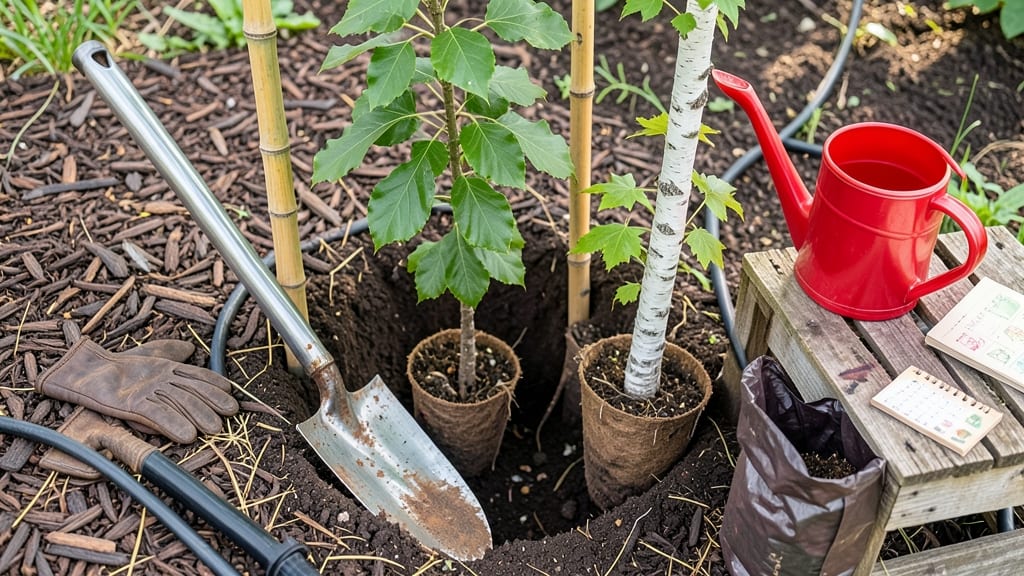
Planting a tree in Illinois during the wrong season could mean struggling growth, frost damage, or even wasting your hard work—so timing is everything for long-term success.
With USDA zones 5-6 and unpredictable frost dates, knowing when to plant your 🌳 makes all the difference between a thriving canopy and a sad, stunted sapling.
Most gardeners assume spring is the only option, but fall actually offers a secret advantage for root development before winter. The key lies in soil warmth and frost-free windows—both of which vary dramatically across Illinois.
Whether you're planting a towering oak or a delicate fruit tree, understanding these factors can help you avoid common mistakes that kill young trees.
In this guide, I’ll break down the best months for planting in Illinois, including soil temperature thresholds and regional frost dates. You’ll discover why early spring (March-April) and fall (October-November) are ideal, plus how to extend your planting window with simple tricks for cold-hardy species.
Ready to give your tree the best possible start? Let’s dive into the science behind optimal planting times—so you can enjoy a healthy, long-lived tree for decades to come.
Illinois tree planting timeline: soil temperature & frost-free windows
Timing your tree planting in Illinois isn't just about avoiding frost—it's about soil temperature and root establishment. The ideal window is when the ground warms to 50°F+ and the risk of hard frost has passed. This ensures roots can grow before extreme heat or cold sets in.
Northern Illinois (USDA Zones 4-5) has earlier frosts than Southern Illinois (Zones 5-6), so your local last frost date determines your planting window. For example, Chicago's average last frost is April 15, while St. Louis sees it around April 5.
Here's the science: Trees planted when soil temps reach 50°F+ establish roots 3x faster than in cooler soil. Use a soil thermometer to check—this is more reliable than air temperature alone.
| Region | Last Frost Date | First Frost Date | Ideal Planting Window | Soil Temp Threshold |
|---|---|---|---|---|
| Northern IL (Chicago) | April 15 | October 15 | April 1 - May 15 | 50°F+ |
| Central IL (Springfield) | April 5 | October 10 | March 20 - May 10 | 50°F+ |
| Southern IL (St. Louis) | March 25 | October 5 | March 10 - April 30 | 50°F+ |
| Fall Planting (All Regions) | N/A | N/A | October 1 - November 15 | 55°F+ (cooler than spring) |
Fall planting (October-November) is often better than spring because cooler air temps and moist soil give roots time to establish before winter dormancy. Aim to plant 6-8 weeks before your region's first frost date.
Microclimates matter! A south-facing slope warms faster than a north-facing yard, so check your specific spot. Use a frost-free date calculator like the National Weather Service or Old Farmer's Almanac for precise local data.
Evergreens like arborvitae or spruce need special care—they can't handle transplant shock in winter. Plant them in early spring (March-April) when roots can establish before summer heat arrives.
For bare-root trees, plant as soon as possible after purchase—they dry out quickly. Soak roots in water for 1-2 hours before planting to revive them. This is especially critical for fruit trees like apples or cherries.
If you miss the ideal window, late fall planting (December) is still possible for cold-hardy species like oak or maple. Just add extra mulch (4-6 inches) to insulate roots from winter temperature swings.
Pro tip: Use a frost blanket if planting in late spring (May-June) to protect young trees from unexpected frosts. This extends your planting window by 2-3 weeks in unpredictable Illinois springs.
Best trees for Illinois planting seasons: fall vs spring comparison
Choosing the right planting season for your Illinois trees can make the difference between a thriving landscape and years of struggling growth. Fall planting (October-November) offers cooler temperatures and moisture, while spring planting (March-April) aligns with active root growth.
Each season has distinct advantages depending on the tree species and your local microclimate.
For Illinois' USDA Zones 5-6, fall planting gives trees a head start on root development before winter dormancy. Spring planting, however, avoids frost risks and provides immediate access to soil moisture. Let's compare the best tree options for each season and their regional suitability across Illinois' diverse climate zones.
Fall Planting Advantages (Oct-Nov)
- Cooler soil temps reduce transplant shock
- Ample rainfall in fall supports root growth
- Established roots before winter dormancy
- Less competition from weeds
- Limited selection of bare-root trees
- Frost risk in late fall for tender species
- Soil may become too cold for planting
- Shorter daylight reduces photosynthesis
Spring Planting Advantages (Mar-Apr)
- Wider selection of container-grown trees
- Warmer soil promotes faster root growth
- Avoids winter dormancy risks
- Longer daylight supports photosynthesis
- Drought risk in late spring
- Competition from weeds increases
- Transplant shock from heat stress
- Limited time before summer heat
For fall planting, prioritize oaks, maples, and fruit trees like apple and pear varieties.
These species benefit from Illinois' cooler fall temperatures and established root systems before winter. White oaks and sugar maples are particularly well-suited, thriving in Illinois' acidic soils and handling the state's variable frost dates.
Spring planting excels with birch trees, willows, and evergreens like eastern red cedar or white pine. These species tolerate Illinois' spring droughts better and establish quickly in the warmer soil conditions. Paper birches and weeping willows are excellent choices for wetter areas, while evergreens provide year-round interest.
Regional considerations matter in Illinois. Northern areas (Zone 5) should plant fall oaks by October 15 to avoid early frosts, while southern regions (Zone 6) can extend planting until November 15. For spring planting, aim for March 15-April 15 statewide to balance soil warmth with moisture availability.
Pro tip: Always mulch heavily (3-4 inches) after planting, regardless of season, to conserve moisture and regulate soil temperature. For fall plantings, use straw mulch to prevent winter soil heaving, while spring plantings benefit from wood chip mulch to retain soil moisture during dry spells.