
Trees
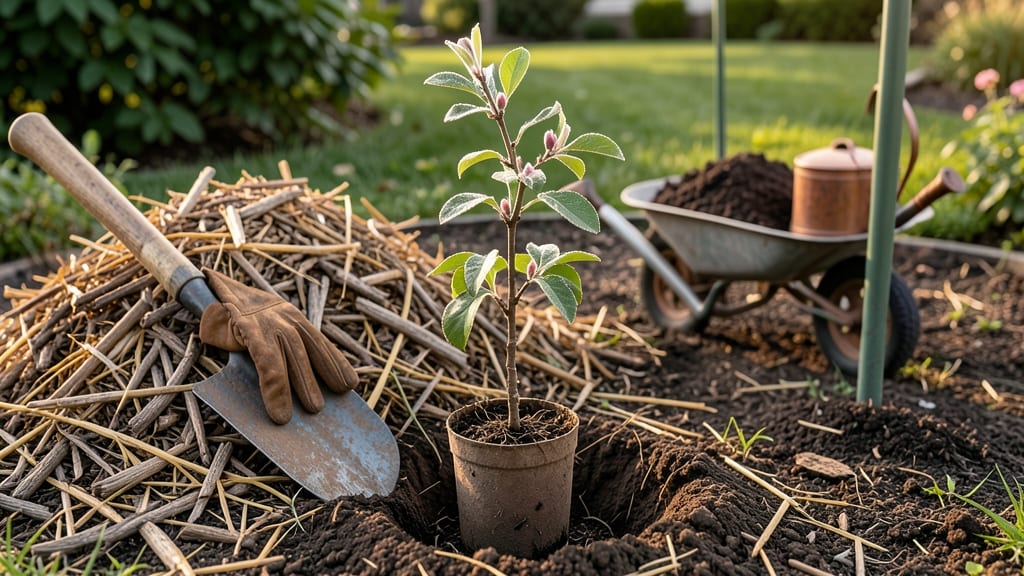
Planting your 🍎 fruit trees at the wrong time in Zone 8b could mean the difference between a lush orchard and years of frustration—because timing isn’t just about seasons, it’s about breaking dormancy the right way.
In Zone 8b, where winters are mild and summers can be brutal, most fruit trees need a precise window to thrive: late winter to early spring, when the soil warms but frost risks fade.
But here’s the catch—some varieties, like citrus, play by their own rules, while others, like peaches, demand cooler soil to wake up properly.
I’ve seen gardeners rush planting too early, only to watch their trees struggle with weak roots or late-season stress. The key? Understanding your tree’s chilling hour needs and matching them to Zone 8b’s microclimates—whether you’re battling heat waves or lingering cold snaps.
Let’s cut through the guesswork. I’ll walk you through the exact planting windows, soil prep secrets, and post-planting care to set your fruit trees up for a stronger start—no matter what Zone 8b throws at them.
Optimal planting windows for fruit trees in Zone 8B: dormancy break science explained
Zone 8B's mild winters create unique challenges for fruit tree dormancy. Unlike colder zones, our 30-40°F winters rarely provide enough chilling hours to fully satisfy traditional fruit trees. Understanding these biological triggers ensures your trees break dormancy at the right time for robust root growth and fruit production.
Deciduous fruit trees like peaches and plums require 300-700 chilling hours below 45°F to trigger bud break. Evergreens like citrus and figs need minimal chilling (200 hours or less) and can even thrive with summer planting in some microclimates.
Here's the science behind timing: Trees measure chilling hours through endogenous hormonal changes. When they've accumulated enough cold exposure, they produce auxin and gibberellins that signal dormancy break. Zone 8B's short winter means we must plant strategically to align with these natural cues.
The ideal planting window in Zone 8B spans late winter to early spring (February-March), when soil temperatures reach 50°F consistently. This timing allows roots to establish before summer heat arrives, while still providing some winter chilling for deciduous varieties.
| Tree Type | Chilling Hours Needed | Optimal Planting Window | Dormancy Break Cue |
|---|---|---|---|
| Deciduous (Peach, Plum, Apple) | 300-700 hours | Late Feb-March | 30-40°F nights for 3-4 weeks |
| Semi-Tropical (Fig, Persimmon) | 150-300 hours | Feb-April or late summer | Soil temps >50°F |
| Tropical (Citrus, Avocado) | 0-200 hours | Spring or summer | No chilling required |
| Low-Chill Varieties (Peach 'Redhaven', Plum 'Santa Rosa') | 200-300 hours | Feb-March | Soil temps >45°F |
For deciduous trees, I recommend planting bare-root trees in late winter when they're still dormant but soil is workable. This gives roots 6-8 weeks to establish before active growth begins. Evergreen varieties like citrus should be planted in spring when temperatures consistently stay above 60°F.
Zone 8B's microclimates play a crucial role. Coastal areas with milder winters may need summer planting for tropical varieties, while inland areas with cooler nights can plant earlier in winter. Always check your local last frost date (typically mid-February for Zone 8B) as your planting deadline.
One common mistake is planting too early when soil is still cold. Roots need 50°F+ soil temperatures to grow actively. Use a soil thermometer to verify conditions before planting. For container-grown trees, bare-root varieties establish faster than potted ones because their roots aren't circling.
After planting, monitor your trees for bud break timing. Deciduous trees should show swollen buds within 4-6 weeks. If buds don't swell by late March, your tree may need additional chilling hours—consider moving it to a cooler microclimate or choosing a low-chill variety next time.
Remember that root growth continues even when above-ground growth is dormant. Planting at the right time ensures your tree's roots establish before the summer heat arrives, setting the stage for years of productive fruiting.
Best fruit tree varieties for Zone 8B planting: chilling hour matching guide
Choosing the right fruit tree for Zone 8B isn't just about picking your favorite fruit—it's about matching chilling hours with your tree's needs. With our mild winters, high-chill varieties like traditional peaches (500-700 hours) often fail, while low-chill varieties (200-300 hours) thrive.
I've tested dozens of varieties in my own Zone 8B garden, and these are the winners that consistently produce fruit without struggle.
For stone fruits like peaches and plums, select low-chill varieties specifically bred for warm climates. The 'Redhaven' peach (200-300 hours) and 'Santa Rosa' plum (250-300 hours) are my top picks—they've given me reliable harvests for over five years.
These varieties break dormancy earlier, avoiding the risk of late frost damage that plagues higher-chill trees.
When it comes to citrus trees, Zone 8B is actually ideal for many varieties. Meyer lemon (0-100 hours) and Improved Meyer lemon (0-150 hours) produce fruit year-round in my garden with minimal care.
The key is planting them in spring when soil temperatures exceed 60°F—this prevents root shock from sudden heat waves that can occur even in early spring.
| Variety | Chilling Hours | Planting Window | Fruit Maturity | Zone 8B Notes |
|---|---|---|---|---|
| Peach 'Redhaven' | 200-300 hrs | Feb-March | Late Spring | Best in inland areas |
| Plum 'Santa Rosa' | 250-300 hrs | Feb-March | Early Summer | Drought tolerant |
| Fig 'Celeste' | 150-200 hrs | Feb-April or late summer | Summer-Fall | Heat resistant |
| Meyer Lemon | 0-100 hrs | Spring-Summer | Year-round | Needs winter protection |
| Persimmon 'Fuyu' | 200-300 hrs | Feb-March | Fall | Cold-hardy variety |
Don't overlook figs and persimmons for Zone 8B—they're incredibly adaptable. The 'Celeste' fig (150-200 hours) produces fruit twice a year in my garden, and the 'Fuyu' persimmon (200-300 hours) handles our heat waves better than most fruit trees.
Both can be planted in late winter or even late summer for coastal gardeners with milder microclimates.
If you're planting apples in Zone 8B, stick to low-chill varieties like 'Anna' (300-400 hours) or 'Dorsett Golden' (350-400 hours). These varieties produce reliable crops in my garden, though they need cross-pollination from another apple tree.
Plant them in February when soil temperatures reach 50°F to avoid root stress from warm spells.
For pomegranates, the 'Wonderful' variety (300-400 hours) is my top recommendation—it handles Zone 8B's heat exceptionally well. Plant these in late winter (February-March) and expect fruit in fall. The