
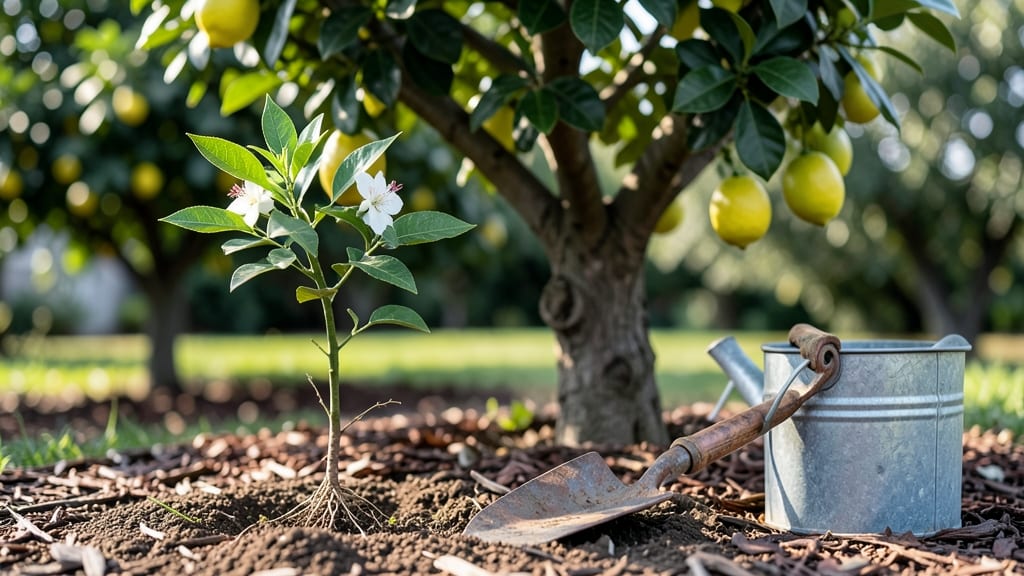
When to Plant Citrus Trees in Zone 9: Best Months for Strong Root Growth Before Winter

Trees

When to Plant Citrus Trees in Zone 9: Best Months for Strong Root Growth Before Winter

Planting your 🍊 citrus tree at the wrong time in Zone 9 could mean missing out on years of juicy harvests—or worse, losing your tree to heat stress or poor root growth.

Unlike colder climates, Zone 9’s frost-free winters and scorching summers demand a smart timing strategy that most gardeners overlook.

Here’s the secret: The best window to plant isn’t just about avoiding frost (since there isn’t any in Zone 9), but about giving your tree’s roots a fighting chance before summer’s brutal heat sets in.

Late winter through early spring is your golden opportunity—when soil stays cool enough for roots to establish without competing with intense sun.

I’ve seen citrus trees planted in summer wilt under the midday heat, while those in the right window thrive and even bear fruit within 2 years. The difference? Timing, soil prep, and a few climate-specific tricks that work for California gardeners and Mediterranean climates alike.

Let’s break down exactly when to plant, what to watch for, and how to set your 🍊 citrus tree up for success—so you’re not left with a sad, stunted sapling by next harvest season.

🍊 When to Plant Citrus Tree Tree
Jan 🍊
Feb 🍊
Mar 🍊
Apr 🍊
May 🍊
Jun 🍊
Jul 🍊
Aug 🍊
Sep 🍊
Oct 🍊
Nov 🍊
Dec 🍊
Ideal Time
Also Good

Optimal planting months for citrus trees in Zone 9: avoiding frost and maximizing root growth

Zone 9 gardeners enjoy the luxury of year-round citrus planting, but timing still matters for root establishment and fruit production. Unlike colder zones, you don’t face frost risks, but soil temperatures and rainfall patterns create ideal windows.

The best 3-month window is actually late winter through early spring, when cooler temps slow moisture loss while roots grow vigorously.

Citrus trees thrive when planted during January through March in Zone 9, as soil temperatures hover between 60°F and 75°F—perfect for root development. This period avoids the peak summer heat that can stress young roots and the winter rains that may cause waterlogging.

Even though Zone 9 rarely sees frost, late fall plantings risk root shock if temperatures dip unexpectedly.

Soil temperature is your best indicator for planting success. Use a soil thermometer to confirm 60°F+ readings at least 6 inches deep. In Zone 9, this typically occurs by mid-February, giving roots 3-4 months to establish before summer’s intensity. Container-grown trees can handle slightly cooler soils, but bare-root trees need warmer conditions to avoid rot.

While you can plant citrus trees year-round in Zone 9, avoid extreme heat (June-August) and heavy rain seasons (November-January).

Summer plantings require extra mulch and daily watering to prevent stress, while winter rains can waterlog roots if drainage is poor. Early spring offers the sweet spot: mild temps, moderate rain, and long daylight hours for photosynthesis.

Month Soil Temp (°F) Planting Suitability Key Considerations
January 58-65°F ✅ Excellent Cool soils, minimal pests; ideal for bare-root trees.
February 60-68°F ✅ Optimal Soil warms quickly; best for container trees.
March 65-72°F ✅ Best Window Peak root growth; avoid planting after March 15.
April 70-78°F ⚠️ Possible (with care) Hotter soils; needs extra mulch and shade cloth.
May-June 80-90°F ❌ Avoid (unless emergency) Risk of transplant shock from heat stress.
July-August 90-100°F ❌ Not Recommended Extreme heat slows root growth; high pest risk.
September-October 75-85°F ⚠️ Possible (fall planting) Soils cool; reduce watering to prevent rot.
November-December 55-62°F ✅ Possible (container trees) Risk of overwatering from winter rains.

How to prepare your Zone 9 soil and site for citrus tree planting: critical steps for success

Zone 9’s Mediterranean climate offers ideal conditions for citrus trees, but poor soil preparation can lead to root rot, nutrient deficiencies, or weak growth. The key is creating a well-draining, slightly acidic environment that mimics their native habitats.

Start by selecting a sunny, sheltered spot with at least 6+ hours of sunlight daily—citrus trees thrive with warmth but need protection from harsh afternoon winds.

Before planting, test your soil’s pH—citrus trees prefer a range of 6.0 to 7.0. If your soil is too alkaline (common in Zone 9), amend it with elemental sulfur or peat moss to lower the pH gradually.

Avoid sudden pH shifts, as they can stress young roots. Organic matter like compost or well-rotted manure is essential, as citrus trees need fertile, loose soil to prevent compaction and improve water retention.

📋 Critical Pre-Planting Checklist for Zone 9 Citrus Trees

  • ☑️ Soil Test: Check pH (target: 6.0–7.0)
  • ☑️ Drainage Fix: Amend clay soil with sand or perlite (20–30%)
  • ☑️ Organic Matter: Mix in 3–4 inches of compost or aged manure
  • ☑️ Site Selection: Choose south-facing with windbreak (e.g., fence or wall)
  • ☑️ Frost Protection: Plant near heat-retaining structures (e.g., brick walls)
  • ☑️ Tools Ready: Trowel, shovel, garden fork, pH test kit

💡 Pro Tip: Zone 9 gardeners often face compacted clay soil—add coarse sand or gravel to improve drainage without altering pH.

Drainage is non-negotiable for citrus trees—waterlogged roots are their #1 enemy. If your yard has heavy clay, create a raised bed or mound the soil to elevate the root zone.

For in-ground planting, dig a 12-inch-deep hole and fill the bottom with a 3-inch layer of gravel or crushed rock.

This ensures excess water flows away while retaining moisture for the roots. Mulch heavily (3–4 inches of wood chips or straw) around the base to regulate soil temperature and reduce evaporation.

Citrus trees in Zone 9 benefit from microclimates that extend their growing season. Plant near south-facing walls or fences to absorb heat during the day and radiate it back at night. Avoid low-lying areas where cold air pools, even in frost-free zones.

If you’re in a coastal Zone 9 with cooler nights, consider dwarf varieties like Calamondin or Improved Meyer lemon, which recover faster from temperature fluctuations.

Finally, gather your tools before digging: a shovel, garden fork, wheelbarrow, pH test kit, compost, and slow-release citrus fertilizer. Work the soil to a depth of 12–18 inches, breaking up compacted layers.

If your soil is sandy, add peat moss to retain moisture; if it’s clay-heavy, blend in sand and compost in equal parts. Pre-soak the root ball of your citrus tree for 1–2 hours before planting to minimize transplant shock.

With these steps, your Zone 9 citrus tree will establish strong roots, resist disease, and reward you with abundant fruit for decades. The secret? Preparation—not just planting, but creating the perfect Mediterranean-inspired environment. 🌱

★★★★★5.0(9 reviews)
Categories Trees