
Trees
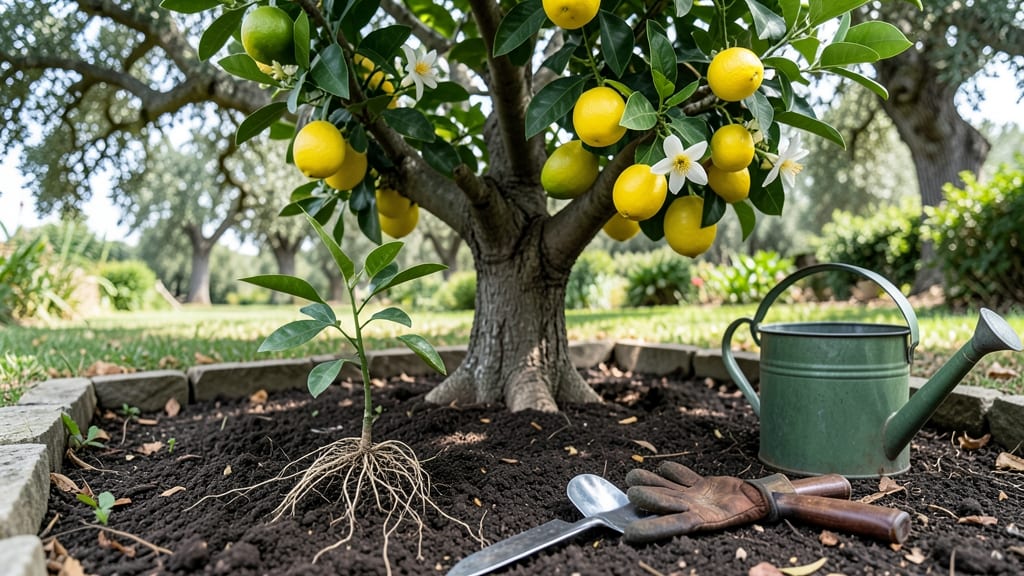
Planting a citrus tree 🍊 in Louisiana can be a game-changer for your yard—but timing is the key to avoiding freeze damage. Unlike other states, Louisiana’s 8a-9b zones offer two perfect windows for planting: late winter and fall, when temperatures are mild enough for roots to establish without stress.
Most gardeners assume spring is the only option, but fall planting gives young trees a head start on root growth before winter. The trick is avoiding the last frost date (February 15) and the first chill of December, when tender citrus can’t handle the cold.
If you’re in New Orleans, you’ve got more flexibility than Shreveport—microclimates matter. I’ll show you exactly how to check your local freeze risks and adjust planting to protect your investment, whether you’re digging in the ground or keeping it in a container.
Ready to grow a thriving citrus tree? Let’s break down the best months, soil prep secrets, and post-planting care to keep your tree happy year-round.
Best planting months for citrus trees in Louisiana’s climate Zones
Louisiana’s USDA Hardiness Zones 8a-9b create ideal conditions for citrus trees, but timing your planting is critical. The two best windows are February–April and September–November, when soil temperatures and moisture levels support strong root establishment.
In Zone 8a (northern LA), aim for late March–April to avoid early freezes, while Zone 9b (southern LA) can plant as early as February.
Spring planting (February–April) gives young trees 6–8 weeks of warm weather to establish roots before summer heat. Fall planting (September–November) allows roots to grow before winter dormancy, but avoid planting after November 15 in colder microclimates like Shreveport or Monroe.
In New Orleans or Baton Rouge, you can extend fall planting until mid-December.
Soil temperature is the key factor—citrus roots need 60°F+ soil temps to thrive. Use a soil thermometer to confirm readiness. In sandy soils (common in southern LA), warm up faster than clay soils in northern regions. Mulch heavily (3–4 inches) to maintain consistent soil temps and moisture.
Here’s a quick reference for Louisiana’s microclimate zones and their ideal planting windows:
For container-grown citrus, you can plant year-round in Zone 9b since pots offer extra protection. However, move containers indoors (garage, shed) when night temps drop below 40°F. In Zone 8a, container planting extends the season by 4–6 weeks before/after ideal windows.
Always check the National Weather Service for 10-day forecasts before planting. A sudden cold snap can kill young trees, even in Zone 9b. If planting in late fall, use burlap wraps or frost blankets for the first 2–3 weeks to shield new roots.
After planting, water deeply 2–3 times per week for the first month, then taper to weekly deep waterings. In summer heat, increase to every 5–7 days to prevent root stress. A drip irrigation system is ideal for consistent moisture.
Citrus trees planted in spring (February–April) typically bear fruit in 2–3 years, while fall-planted trees may take 1–2 years longer due to winter dormancy. However, fall planting often results in stronger root systems for earlier fruiting in subsequent years.
Pro tip: Plant dwarf varieties like ‘Meyer Lemon’ or ‘Calamondin’ in Zone 8a—they’re more cold-hardy and recover faster from light freezes. For standard-sized trees, choose ‘Satsuma’ mandarins, which tolerate 20°F with proper protection.
🌱
How to time citrus planting around Louisiana’s freeze dates
Louisiana’s USDA Hardiness Zones 8a-9b offer perfect conditions for citrus trees, but sudden freezes can devastate young plants. The key to success lies in understanding your local freeze dates and adjusting your planting schedule accordingly.
Unlike northern states, Louisiana’s Gulf Coast and North Louisiana regions experience different freeze risks, requiring tailored timing strategies.
Most citrus trees—like Meyer lemons or Satsuma oranges—need 60-70°F soil temperatures to establish roots properly. Planting too early exposes them to late-winter freezes, while planting too late may stunt their growth before winter. Let’s break down how to time your planting for maximum survival and productivity.
⚠️ Critical Freeze Risk Windows in Louisiana
Gulf Coast (Zones 9a-9b): Freeze risk drops after February 15. Plant citrus after this date or in October-November for fall planting.
North Louisiana (Zones 8a-8b): Freezes can occur anytime after November 15. Plant only in spring (March-April) or use container growing for mobility.
Action Step: Check the National Weather Service’s freeze forecast 2 weeks before planting to confirm safe conditions.
Start by checking your USDA Hardiness Zone using the USDA Plant Hardiness Zone Map. Louisiana spans Zones 8a-9b, but even within these zones, microclimates create significant differences. For example, New Orleans (Zone 9a) rarely sees hard freezes, while Shreveport (Zone 8a) can drop below 28°F in winter.
For spring planting, aim for late February to early April once soil temperatures consistently stay above 60°F. Use a soil thermometer to verify—citrus roots won’t establish properly in cooler soils.
If you miss this window, fall planting (September-October) is your next best option, allowing roots to grow before winter dormancy.
In North Louisiana (Zones 8a-8b), where freezes are more frequent, consider container planting. Young citrus trees in pots can be moved to protected garages or greenhouses during cold snaps. Use dwarf varieties like Calamondin for easier mobility and care. Always use well-draining potting mix to prevent root rot.
After planting, monitor local weather forecasts closely. Even established trees benefit from protective measures like frost cloth or row covers during unexpected cold snaps. Mulching with straw or pine needles insulates roots and retains moisture, giving your tree a better chance to survive Louisiana’s unpredictable winters.
Remember, timing is everything when planting citrus in Louisiana. By aligning your schedule with soil temperatures, freeze forecasts, and regional microclimates, you’ll give your trees the best possible start. With the right preparation, you’ll be enjoying homegrown oranges and lemons in no time! 🍊🌱