
Plants
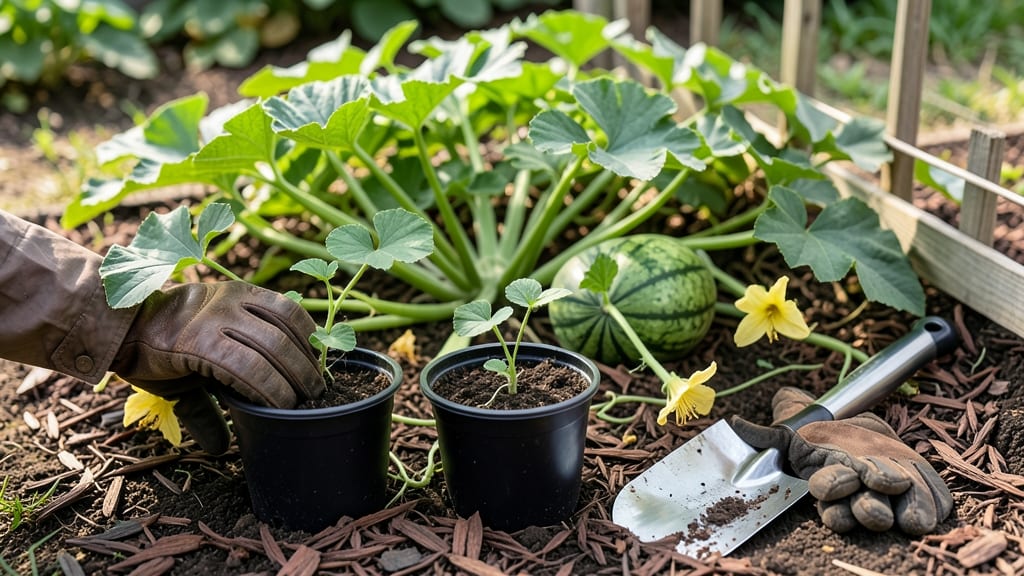
When is the best time to plant watermelon in Florida? It’s not just about dropping seeds in the dirt—it’s about catching that perfect window when soil temperatures and seasonal shifts align for explosive growth. Skip the guesswork, and you’ll go from sprouts to sweet harvests in record time, even with Florida’s notorious heat and humidity.
I’ve learned the hard way that timing is everything—plant too early, and your seeds rot in cold soil; too late, and the summer sun bolts your melons before they ripen. The key?
Waiting for soil to hit 70°F or warmer, which usually lands in late spring for most of the state. But Florida’s regional quirks mean your neighbors in the Panhandle might plant weeks earlier than those in Miami.
What sets Florida apart is how quickly things change—one week of rain can delay planting, while a sudden heatwave can scorch tender seedlings. I’ll break down the exact soil temperature triggers, regional planting calendars, and pro tips to outsmart Florida’s unpredictable weather. Ready to grow watermelons that actually thrive?
Whether you’re a first-time gardener or a seasoned grower, these insights will help you avoid common pitfalls like poor germination or bolting. Let’s get those seeds in the ground at the right moment for a bountiful harvest.
Optimal soil temperature ranges for planting watermelon in Florida
Watermelon seeds need warm soil to germinate quickly, and Florida’s climate offers both challenges and opportunities. The ideal soil temperature range for planting is between 75°F–95°F, but seeds can start germinating as low as 50°F—though sluggishly.
Understanding these temperature triggers helps you time your planting for faster sprouts and stronger seedlings in Florida’s heat and humidity.
Florida’s humidity levels and frequent afternoon thunderstorms create unique conditions. Unlike drier climates, watermelon seeds in Florida may need extra moisture to break dormancy, but overwatering cold soil can cause rot. The key is balancing soil warmth with consistent moisture to kickstart germination without drowning tender roots.
Here’s the breakdown of critical soil temperature stages for watermelon growth in Florida:
| Growth Stage | Optimal Soil Temp (°F) | Florida Timing | Key Notes |
|---|---|---|---|
| Seed Germination | 50°F–60°F | Late March–April (North FL) February–March (South FL) |
Slow germination; use black plastic mulch to warm soil faster. |
| Fast Germination | 75°F–95°F | April–May (Statewide) | Ideal for direct sowing; seeds sprout in 3–7 days. |
| Seedling Growth | 65°F–85°F | May–June | Avoid heat stress with shade cloth if temps exceed 90°F. |
| Vine Establishment | 70°F–90°F | June–July | Critical for root development; mulch to retain moisture. |
| Fruiting Stage | 75°F–85°F | July–September | Consistent warmth ensures sweet fruit; avoid late-season heatwaves. |
In Florida, soil temperatures rise faster in South Florida (Miami, Fort Lauderdale) than in the Panhandle (Pensacola, Tallahassee). For example, Palm Beach County may hit 80°F soil temps by mid-February, while Jacksonville often waits until late March. Use a soil thermometer to confirm readiness—don’t rely on air temperature alone.
If you plant too early and soil temps dip below 60°F, seeds may rot or fail to sprout. Conversely, planting in 95°F+ soil can cause seedlings to bolt (flower prematurely) or develop weak roots.
Aim for 75°F–85°F during germination for the best balance of speed and vigor in Florida’s climate.
For direct-sown seeds, wait until nighttime temps stay above 60°F and daytime soil temps exceed 75°F. If you’re starting seeds indoors, heat mats can help maintain optimal 75°F–85°F soil temps until transplanting. Florida’s humidity also means seeds need less frequent watering once planted—overwatering can suffocate them.
Pro tip: Use black plastic mulch to raise soil temps by 5–10°F in cooler regions like North Florida. This trick accelerates germination and extends the planting window by 2–3 weeks. Just remove the mulch once vines start spreading to prevent overheating.
Monitor your garden’s microclimate—shady spots may stay cooler than sunlit areas. For example, a north-facing bed in Orlando might need 1–2 extra weeks of warming compared to a south-facing raised bed. Adjust your planting timeline accordingly to avoid disappointment.
Once seedlings emerge, maintain consistent soil moisture but avoid soggy conditions. Florida’s afternoon humidity can lead to fungal diseases like powdery mildew if airflow is poor. Thin seedlings to 12–18 inches apart to reduce competition and improve air circulation around the base.
By aligning your planting with Florida’s soil temperature triggers, you’ll give your watermelons the best start possible. The payoff? Faster germination, stronger vines, and sweeter fruit—all while outsmarting Florida’s unpredictable weather patterns. 🌱
Florida’s best planting windows by region: Panhandle vs. Peninsula timelines
Florida’s three distinct climates mean your watermelon planting schedule should change dramatically depending on whether you’re in the cool Panhandle, the transition-zone Central, or the tropical Peninsula. I’ve planted melons across all three regions, and the difference in timing is night-and-day—literally.
In the Panhandle, you might start as early as mid-March, while South Florida gardeners wait until mid-April to avoid summer’s brutal heat.
Each region also faces unique challenges: late frosts in the north, monsoon risks in Central Florida, and hurricane season threats in the south. The key is aligning your planting with soil warmth (70°F+) and avoiding seasonal disruptions.
Let’s break down the exact windows and how to extend your growing season with simple tools like row covers or black plastic mulch.
| Region | Best Planting Window | Soil Temp Trigger | Key Risks | Season Extension Tips |
|---|---|---|---|---|
| Panhandle (e.g., Tallahassee, Pensacola) | Mid-March to early April | 65°F+ (soil) | Late frosts (Feb-Mar) | Use row covers for early starts |
| Central Florida (e.g., Orlando, Tampa) | Late March to mid-April | 70°F+ (soil) | Monsoon rains (May-Jun) | Raise beds for drainage |
| South Florida (e.g., Miami, Fort Lauderdale) | Mid-April to early May | 75°F+ (soil) | Hurricane season (Jun-Nov) | Plant after last frost (use black plastic mulch) |
In the Panhandle, where winters linger longer, I’ve had success planting seedlings indoors in late February and transplanting after the last frost (usually mid-March).
The risk of frost is real—even in April—but a lightweight row cover can protect young plants if temperatures dip below 40°F. For direct sowing, wait until soil reaches 65°F to ensure germination.
Central Florida’s transition climate demands patience. The monsoon season (May–June) can drown seedlings, so I recommend planting before heavy rains and using raised beds for better drainage.
If you miss this window, opt for late-summer planting (August) for a fall harvest, but be prepared for shorter vines due to heat stress.
Down in the Peninsula, where summers are relentless, I’ve learned to avoid peak heat by planting in early May when soil temperatures are just right (75°F+). Black plastic mulch is a game-changer here—it warms the soil faster and suppresses weeds, giving your melons a head start.
Just watch for hurricane season (June–November) and secure trellises or stakes if winds are forecasted.
Pro tip: Use a soil thermometer to track temperatures—it’s the only way to know for sure when conditions are perfect. In my experience, waiting for consistent 70°F+ soil temps (day and night) guarantees faster germination and stronger plants.
And if you’re in doubt, start with seedlings from a nursery—they’re already hardened off and ready to grow.