
Flowers
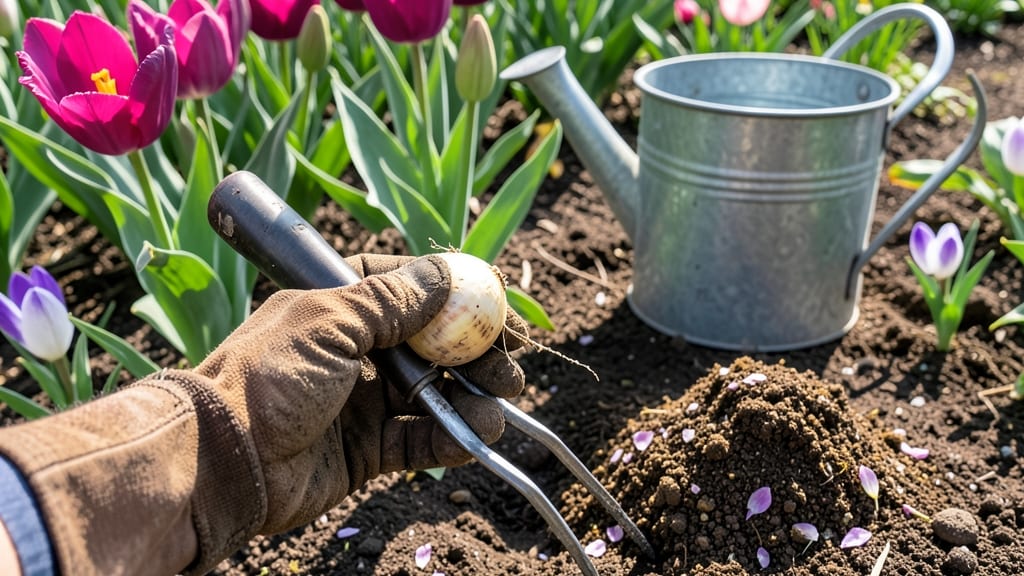
Planting your Spring Flowers 🌸 at the wrong time can mean the difference between a burst of color and a sad, wilted disappointment—especially when late frosts still lurk in the forecast.
The key to success isn’t just waiting for spring; it’s knowing exactly when to plant based on your local climate and microclimate quirks.
If you’ve ever wondered why some gardens bloom beautifully while others struggle, timing is the most important factor. In USDA Zone 6a, where many gardeners live, the average last frost hits around April 15, but urban heat islands or high-altitude areas can shift that window by weeks.
Let me show you how to pinpoint the perfect moment for your garden’s location.
You’ll learn which Spring Flowers thrive when planted early (like cold-hardy pansies) and which prefer warmer soil (like heat-loving zinnias). Plus, I’ll share simple tricks—like checking soil temperature—to avoid common mistakes that kill seedlings before they even sprout.
Whether you’re a beginner or a seasoned gardener, these insights will help you plant with confidence. Ready to transform your garden into a vibrant paradise? Let’s get started.
Spring planting zones by USDA Hardiness Map: exact dates for frost-free success
Timing your spring flower planting correctly ensures your blooms thrive instead of wither. The USDA Hardiness Map divides the U.S. into 13 zones, but frost dates vary dramatically—even within the same zone.
For example, Zone 5 might see its last frost in May, while nearby high-altitude areas could wait until June. Understanding these nuances prevents frost damage and wasted seeds.
Your local microclimate plays a bigger role than your zone number. Urban areas with concrete heat retention may warm up faster, while coastal regions often experience delayed frost dates due to ocean influence.
High-altitude gardens, like those in Colorado Springs, can have frost risks well into June, even if you're in Zone 6. Always check historical frost data for your specific location.
Here’s a zone-by-zone breakdown of ideal planting windows for spring flowers, accounting for average last frost dates. Use this as your guide, but adjust based on your 3-5 year frost history—not just the zone number.
| USDA Zone | Avg. Last Frost | Ideal Planting Window | Regional Example | Microclimate Adjustments |
|---|---|---|---|---|
| Zones 3-4 | Late May | Early May (hardy flowers) | Minnesota, Upstate NY | Wait until soil reaches 50°F |
| Zones 5-6 | Mid-April to Early May | Late April (cold-tolerant); Early May (tender) | Chicago, Denver | High-altitude areas: delay 2-3 weeks |
| Zones 7-8 | Mid-March to Early April | March (pansies); April (marigolds) | Atlanta, Dallas | Urban areas: plant 1-2 weeks earlier |
| Zones 9-10 | Late January to Early March | February (tender annuals) | Los Angeles, Miami | Coastal: watch for late frosts |
For Zone 3-4, focus on cold-hardy annuals like pansies and snapdragons. These can handle light frosts and often bloom within 6-8 weeks of planting.
In Zone 5-6, you’ll want to plant sweet peas and lupines by late April to ensure they establish roots before summer heat arrives. Zone 7-8 gardeners have the most flexibility—start pansies in March for early color, then add marigolds and zinnias in April.
In Zones 9-10, where winters are mild, you can plant tender annuals like petunias and geraniums as early as February. However, coastal areas in these zones may still experience unpredictable late frosts, so monitor forecasts or use frost cloth for extra protection.
For example, San Francisco (Zone 9) often sees frost in December-January, while Phoenix (Zone 10) rarely does.
If you’re in a high-altitude garden, like Aspen, Colorado (Zone 5), your last frost might not occur until June 15, even though the zone suggests earlier. Use a soil thermometer to confirm when temperatures consistently stay above 50°F (10°C)—this is your true planting cue.
In urban heat islands, like New York City, concrete and asphalt can raise soil temperatures by 5-10°F, allowing you to plant 1-2 weeks earlier than rural areas.
Pro tip: Extend your season by starting cold frames or hoop houses in early spring. This lets you plant tender flowers like impatiens or begonias up to 4 weeks earlier in Zones 5-7. Just remove the cover once nighttime temperatures stay above 55°F (13°C).
Always check your local cooperative extension service for hyper-local frost data—they often provide 10-year averages that are far more accurate than zone-based guesses.
Remember, seed packets often list days to maturity from last frost, not from planting. For example, if a packet says 60 days to bloom and your last frost is May 15, you’ll need to plant by March 16 to enjoy flowers by July 15.
But if you’re in Zone 9 with a February 1 last frost, you’d plant by December 2—which is impossible! Adjust your expectations for heat-loving flowers like
How to adjust planting timing for your microclimate: urban heat islands vs. mountain gardens
Your garden's microclimate can drastically alter the ideal planting window for spring flowers. Urban areas with concrete heat retention often experience earlier soil warming, while mountain gardens may face late frost risks even in May.
Understanding these variations helps you avoid common mistakes like planting too early in cold zones or waiting too long in heat islands.
For example, my urban garden in USDA Zone 7b warms up 2-3 weeks earlier than rural areas, allowing me to plant pansies and snapdragons by mid-March. Meanwhile, my friend's mountain garden in the same zone waits until after May 15 due to lingering frost pockets.
The key is using soil thermometers to measure when temperatures reach the minimum germination threshold for your chosen flowers.
A soil thermometer is your secret weapon—most spring flowers need soil temps between 50-60°F (10-15°C) to thrive. I always check mine before planting annuals like marigolds or perennials like coneflowers.
Coastal gardens add another layer: persistent morning fog can delay planting by 1-2 weeks compared to inland areas. These microclimate adjustments prevent seed rot and stunted growth from temperature mismatches.
| Microclimate Type | Key Characteristics | Adjustment for Spring Flowers | Soil Temp Target |
|---|---|---|---|
| Urban Heat Islands | Concrete absorbs heat; 5-10°F warmer than rural areas | Plant 2-3 weeks earlier than zone averages | 50-55°F (10-13°C) |
| Mountain Gardens | High elevation; late frosts possible until June | Wait until after May 15 or confirm soil temps | 55-60°F (13-15°C) |
| Coastal Areas | Fog delays warming; 2-4°F cooler than inland | Delay planting by 1-2 weeks compared to zone | 52-58°F (11-14°C) |
Another trick I use is the frost-free date calculator from my local extension office. They provide historical frost data for specific neighborhoods—essential for urban gardeners. For mountain gardens, I always plant cold-hardy flowers first, like sweet peas and calendula, which can handle 32°F (0°C) temperatures.
Then I follow with heat-loving varieties like zinnias once night temps stay above 50°F (10°C) consistently.
Don't forget about wind exposure in open mountain gardens—it can dry out soil faster. I add extra mulch (2-3 inches) to retain moisture and use windbreaks made from burlap or evergreen shrubs.
For urban gardens, I've found that container planting gives me more control over soil temperatures, especially for tender annuals like impatiens. The containers warm up faster than garden beds when placed on dark-colored surfaces.
Your local master gardener program can provide microclimate-specific advice—many offer free soil testing and planting guides. I always ask about neighborhood variations before buying seeds. For example, my downtown plot gets full sun by 9 AM, while my backyard garden stays shaded until noon.
This means I can plant sun-loving geraniums downtown but need partial-shade varieties like impatiens in the backyard. Paying attention to these details ensures your spring flowers thrive regardless of your garden's unique conditions. 🌸