
Companion Plants
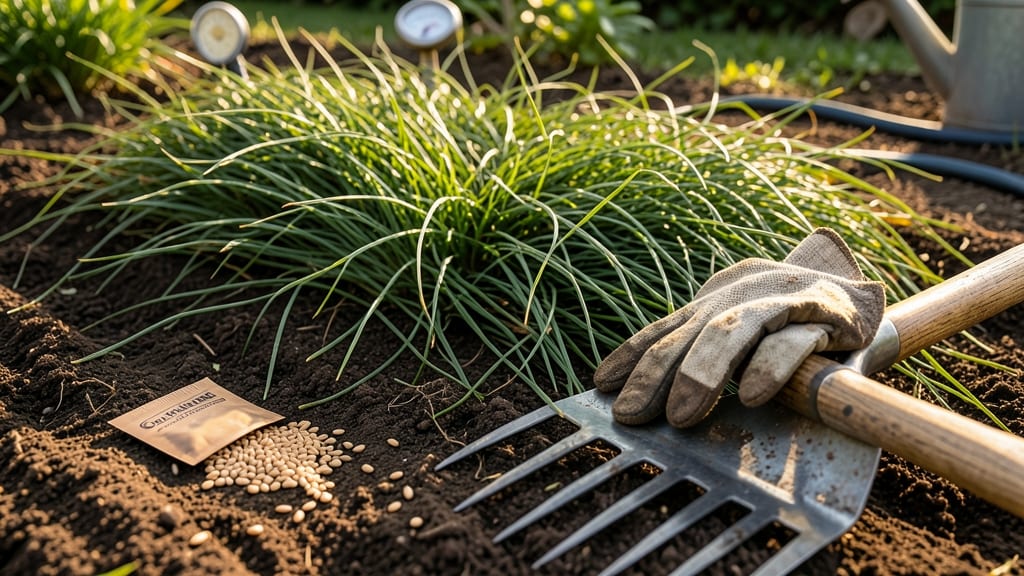
Planting Bermuda grass seed in Texas isn’t just about picking a month—it’s about catching the perfect window when soil temperatures hit 65°F+ and the brutal summer heat hasn’t yet arrived.
Skimping on timing can leave you with weak, patchy grass that struggles to take root before the next drought or scorching sun.
For Texas homeowners in zones 8a-10b, the ideal planting window stretches from late April to early June, but the exact timing varies wildly between North Texas (where frost lingers until mid-February) and South Texas (where the last frost might be as early as January).
Miss this window, and you risk planting too late—just as the dog days of summer begin.
What separates a thriving Bermuda lawn from a failed attempt? It’s not just luck—it’s understanding your region’s microclimate. I’ll break down the critical soil prep steps, the best months for your specific Texas zone, and how to avoid the costly mistakes that derail even the most well-intentioned lawn projects.
Ready to grow a deep-rooted, drought-resistant lawn? Let’s dive into the science-backed strategies that’ll have your 🌱 Bermuda grass thriving from the start—no guesswork required.
Best months to plant Bermuda grass seed in Texas by region
Texas’s diverse climate means one planting window doesn’t fit all. Bermuda grass thrives in heat, but timing depends on your region—whether you’re in North Texas’s cooler springs or South Texas’s early summers.
Plant too early, and frost risks damage; too late, and seedlings struggle with summer’s intensity. Let’s break it down by zone for optimal germination and deep root establishment.
Bermuda grass seeds need soil temperatures above 75°F to sprout consistently. This threshold varies by region, with North Texas often waiting until mid-May, while South Texas gardeners can start as early as late March.
Rainfall patterns also play a role—drought-prone areas like West Texas require extra irrigation planning. Let’s explore the ideal planting months for each Texas region.
Comparison Table: Best Planting Months for Bermuda Grass Seed in Texas
| Region | USDA Zone | Ideal Planting Months | Soil Temp Threshold | Key Consideration |
|---|---|---|---|---|
| North Texas (Dallas, Fort Worth) | 8a-8b | May-June | 75°F+ (consistent) | Avoid late spring frost; wait for last frost date (typically mid-April). |
| Central Texas (Austin, San Antonio) | 8a-9a | April-May | 70°F+ (warmer soil earlier) | Monitor for early summer drought; supplement water if rainfall is below 1 inch/week. |
| South Texas (Houston, Corpus Christi) | 9a-10b | March-April | 65°F+ (soil warms faster) | Higher humidity increases fungal risks; ensure proper seedbed aeration. |
| West Texas (Lubbock, Midland) | 7b-8a | May-June | 80°F+ (drier climate) | Prioritize deep watering (1.5 inches/week); mulch to retain moisture. |
In North Texas, where winters linger longer, aim for late May to early June to ensure soil warmth and avoid late-season frost.
The Dallas-Fort Worth area (USDA Zone 8a-8b) typically sees its last frost around March 15, but Bermuda grass seeds won’t germinate reliably until soil hits 75°F. Use a soil thermometer to confirm—this usually happens by mid-May.
Central Texas, including Austin and San Antonio (Zones 8a-9a), offers a slightly earlier window. Plant in April for optimal results, as soil warms faster and rainfall is more consistent. However, be mindful of summer droughts—supplement with irrigation if native rainfall drops below 1 inch per week.
This region’s caliche layer can also hinder root penetration, so till the soil 6-8 inches deep before seeding.
For South Texas (Houston, Corpus Christi, Zones 9a-10b), the window opens even earlier: late March to April. The Gulf Coast’s warmer climate allows seeds to germinate sooner, but higher humidity increases the risk of fungal diseases.
To mitigate this, ensure your seedbed is well-aerated and avoid overhead watering. A light mulch layer (¼ inch) can also help regulate soil moisture without smothering seeds.
West Texas, including Lubbock and Midland (Zones 7b-8a), demands patience due to its arid conditions. Plant in May or June when soil temperatures consistently exceed 80°F.
Water deeply 2-3 times per week for the first month to encourage root growth. A pre-emergent herbicide can also help suppress weeds, which compete aggressively in dry climates.
Regardless of region, avoid planting in August or later. By this time, summer’s intensity can stress young seedlings, and established Bermuda grass may go dormant to survive heat. Instead, focus on early summer establishment so roots have time to penetrate 6+ inches deep before winter.
This deep root system is key to drought resilience and year-round greenness.
Pro tip: If you’re in a transition zone (e.g., near the Hill Country), monitor local weather forecasts for unpredictable frost. Some years, a late freeze in April can wipe out new seedlings. Use row covers or plant in micro-climates (like south-facing slopes) for added protection.
Timing your Bermuda grass planting by region ensures healthier germination, faster establishment, and a lawn that thrives through Texas’s extreme heat and drought. Mark your calendar, test your soil, and get ready for a deep-rooted, lush turf that stands up to the Lone Star State’s challenges. 🌱
How to prepare your Texas lawn for Bermuda grass seed planting
Preparing your lawn for Bermuda grass seed in Texas isn’t just about timing—it’s about creating the perfect conditions for deep root establishment and fast germination. Bermuda thrives in heat, but it needs the right soil, nutrients, and moisture to take hold before summer’s intensity peaks.
Start by testing your soil pH, which should be between 6.0 and 7.5 for optimal growth. If your soil is too acidic or alkaline, amendments like lime (for acidity) or sulfur (for alkalinity) will help balance it before planting.
Once your soil is ready, focus on pre-planting fertilization to give your Bermuda grass a strong start. Use a high-phosphorus fertilizer (like 16-4-8 NPK) to encourage root development. Apply it evenly across the lawn about 4-6 weeks before seeding, following the manufacturer’s instructions for coverage rates.
This step ensures your new grass has the nutrients it needs to germinate quickly and compete with weeds.
Now, let’s break down the essential steps to prepare your lawn for planting:
Step-by-Step Lawn Prep for Bermuda Grass
- 1 Test Soil pH – Use a soil test kit to check your lawn’s pH. Aim for 6.0–7.5; adjust with lime or sulfur if needed. Texas clay soils often need extra attention.
- 2 Clear Debris and Weeds – Remove rocks, sticks, and weeds by hand or with a dethatching rake. Bermuda grass struggles to compete with existing vegetation, so a clean slate is critical.
- 3 Adjust Mowing Height – Lower your mower blade to 1–1.5 inches for 2–3 weeks before planting. This reduces shade and encourages dense growth of existing grass, which you’ll later kill with herbicide.
- 4 Apply Pre-Emergent Herbicide (Optional) – If weeds are a problem, use a pre-emergent herbicide 2 weeks before seeding to prevent weed germination. Choose one labeled safe for Bermuda grass establishment.
- 5 Loosen Soil Surface – Use a core aerator or a garden rake to create small holes (about ½ inch deep) across the lawn. This improves seed-to-soil contact and water absorption.
- 6 Set Up Irrigation – Install a light sprinkler system or soaker hoses to deliver 1–1.5 inches of water weekly. Bermuda grass seeds need consistent moisture to germinate, especially in Texas heat.
After preparing your lawn, the next critical step is seeding. Spread Bermuda grass seed evenly using a broadcast spreader, aiming for 1–2 pounds per 1,000 square feet.
Lightly rake the seeds into the soil to ensure good contact, then use a lawn roller to press them into the ground. This helps prevent seeds from washing away during irrigation and encourages faster germination.
Keep the soil moist but not soggy for the first 2–3 weeks after planting. Deep watering in the early morning reduces evaporation and fungal risks.
Once your Bermuda grass reaches about 3 inches tall, you can gradually reduce watering to encourage deep root growth, which is essential for surviving Texas summers.
With these steps, your Bermuda grass will establish a dense, heat-resistant lawn that stays green even during droughts. The key is patience—avoid walking on new seedlings, and resist the urge to mow until the grass reaches 3–4 inches tall.
Soon, you’ll have a lawn that’s the envy of your neighborhood! 🌱