
Planting
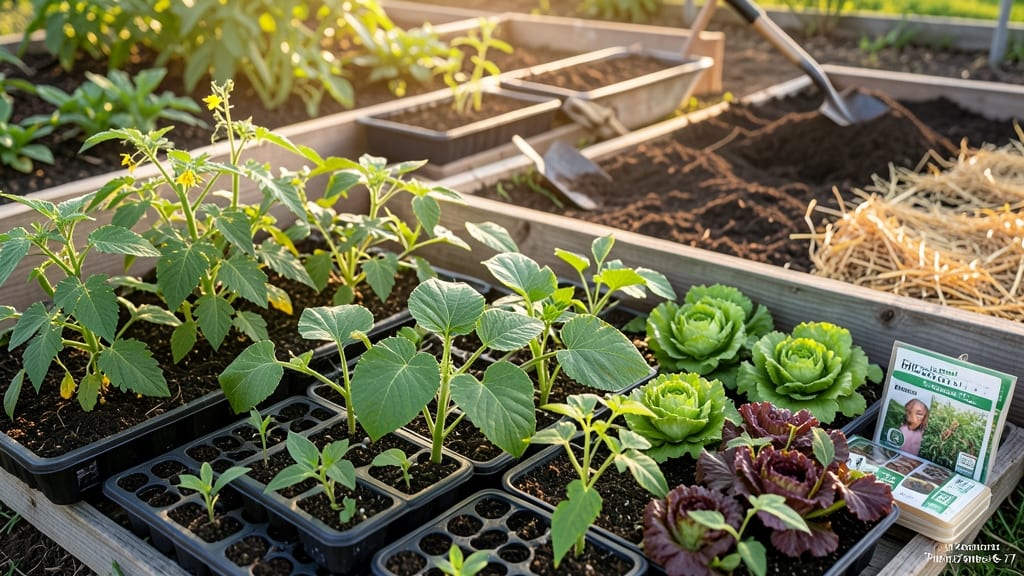
When should I plant my garden in Tennessee? Timing your garden just right can mean the difference between a thriving harvest and a sad, wilted disappointment. With USDA zones ranging from 5a to 8a, knowing when to plant your 🌱 Should or other crops isn’t just about following a calendar—it’s about reading your local microclimate.
Spring planting in Tennessee starts as early as February in the warmer southern zones but waits until April in the cooler mountain regions. The key is avoiding late frosts that can devastate tender seedlings, while also giving heat-loving plants enough time to mature before summer’s relentless sun.
I’ve learned the hard way that rushing or delaying planting can lead to stunted growth or even total crop failure. Whether you’re a beginner or a seasoned gardener, mastering these timing tricks will help you maximize your garden’s potential.
In this guide, I’ll break down the best months to plant everything from vegetables to flowers, so you can enjoy a bountiful garden from summer through fall—without the guesswork.
Tennessee planting zones & their ideal planting months (avoid frost damage)
Tennessee spans USDA Hardiness Zones 5a through 8a, creating dramatic differences in planting windows from the cool Appalachian Mountains to the warm Memphis Delta.
The average last frost date ranges from early March in Zone 8a to late April in Zone 5a, while first frosts arrive as early as mid-October in the highlands or late November in the south.
These variations mean your spring planting window could be 6 weeks earlier in Nashville than in Chattanooga!
Microclimates add complexity: valleys often experience 2-3°F colder nights than nearby ridges, while urban areas can trap heat, delaying frost. Always check your local last frost date (use the Old Farmer's Almanac for Tennessee-specific maps) and adjust planting times accordingly.
For example, Zone 6b gardeners in Knoxville should wait until April 15 for frost-sensitive tomatoes, while Zone 8a gardeners in Memphis can plant them as early as March 1.
Here’s your zone-by-zone planting calendar for cool-season crops (like lettuce and broccoli) and warm-season crops (like peppers and cucumbers), including ideal transplant dates and seed-starting windows to maximize your harvest before Tennessee’s unpredictable fall frosts.
For cool-season crops like kale, spinach, and peas, Zone 5a gardeners should begin planting in early March, while Zone 8a gardeners can start as early as January.
These crops thrive in 50–70°F soil and can tolerate light frosts, so don’t wait until the last minute—soil warming is critical for germination. Use black plastic mulch or row covers to protect seedlings if late frosts threaten.
Warm-season crops—such as tomatoes, peppers, and squash—demand consistent soil temperatures above 60°F.
In Zone 5a, wait until May 1 to transplant seedlings, while Zone 8a gardeners can plant as early as March 15. Succession planting is key for continuous harvests: Sow bush beans every 2 weeks from May through July to avoid a single massive harvest
Best vegetables to plant by month in Tennessee (from seed to harvest)
Tennessee’s variable climate demands a strategic planting plan to maximize yields. Whether you’re in Zone 5a’s cooler highlands or Zone 8a’s sweltering Delta, timing is everything. I’ve grown everything from heat-loving tomatoes to frost-tolerant kale—here’s my month-by-month guide to planting success.
Start with cool-season crops like broccoli and spinach in early spring, then transition to warm-season favorites such as peppers and squash once soil warms. Succession planting every 2-3 weeks keeps harvests flowing, while heat-tolerant varieties like ‘Celebrity’ tomatoes thrive in Tennessee’s summer heat.
🌱 Tennessee Planting Calendar by Month
- March-April: Plant peas, lettuce, and onions as soon as soil is workable (Zone 5a-6b). Start tomato and pepper seeds indoors.
- May: Transplant cool-season crops (e.g., cabbage) and start warm-season crops like beans and cucumbers after last frost (typically mid-April in Zone 7a).
- June-July: Plant okra, sweet potatoes, and Southern peas for late-summer harvests. Use shade cloth for greens to prevent bolting.
- August: Sow fall radishes, turnips, and kale for harvest before first frost (Zone 5a: mid-October; Zone 8a: November).
- September-October: Direct-sow garlic and spinach for overwintering. Extend tomato season with row covers in cooler zones.
Pro Tip: Use succession planting for lettuce and bush beans every 2 weeks to avoid gluts.
For Zone 8a’s longer growing season, don’t rush to plant warm-season crops—wait until soil reaches 65°F to avoid blossom-end rot in tomatoes. I’ve had great luck with ‘Arkansas Traveler’ tomatoes, which handle Tennessee’s heat and humidity better than standard varieties.
In Zone 5a-6b, prioritize fast-maturing varieties like ‘Early Girl’ tomatoes (55 days) and ‘Straight Eight’ okra (60 days). These give you a harvest before fall frosts hit. Always check your local frost dates—they vary by 1-2 weeks across Tennessee!
Extend your harvests with season extenders: Use hoop houses or cold frames to grow spinach and kale through winter in Zone 7a+. In Zone 5a, focus on hardy crops like Swiss chard and radishes, which tolerate light frosts.
Remember: Soil temperature matters more than air temperature. Use a soil thermometer—most seeds need 60°F+ to germinate. For peppers, wait until soil hits 70°F to avoid stunted growth.