
Companion Plants
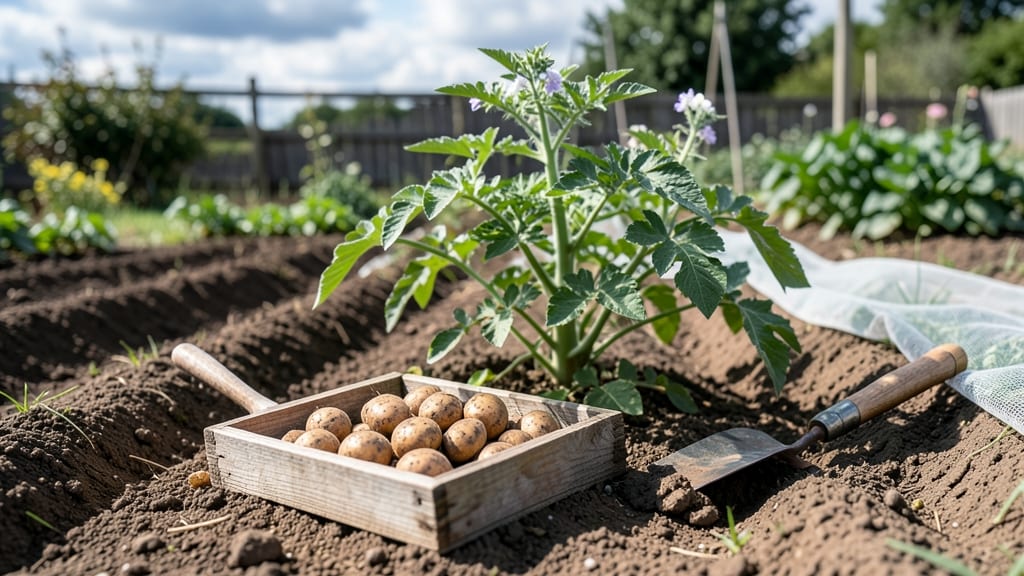
Planting potatoes in Michigan isn't just about timing—it's about beating the clock before frost steals your harvest. With USDA zones 5b-6b and unpredictable late frosts, knowing the perfect window could mean the difference between a bountiful yield and a wasted season.
Most gardeners here swear by early spring planting, but the truth is more nuanced. You can start as early as February 15 for cold-hardy varieties, but the real magic happens when soil temperatures hit 45°F—usually around March 15 to April 15.
That’s when your 🥔 seeds will finally sprout without fear of frost damage.
But here’s the catch: Michigan’s short growing season demands strategy. Early varieties like Red LaSoda mature in just 60 days, while late-season Purple Viking needs 120 days to bulk up.
I’ll break down exactly which varieties thrive in your region and how to stretch your planting window for maximum harvests.
Ready to grow potatoes that outperform the frost? Let’s dive into the frost-free timeline that’ll have your garden producing spuds like a pro—no guesswork, just results.
Michigan potato planting calendar: frost-free dates by region (2024 guide)
Michigan’s diverse climate means your potato planting timeline should match your specific region. In the Upper Peninsula, colder springs delay planting until mid-to-late May, while Southern Michigan gardeners can start as early as March 15.
The key is waiting for soil temperatures to hit 45°F+—cold soil slows sprouting and invites rot. Use these regional guidelines to align your planting with Michigan’s 165-day frost-free window.
For Northern Lower Peninsula growers, aim to plant between April 15 and May 1, balancing frost risk with early-season warmth. Southern Michigan’s longer growing season lets you plant early varieties by March 15 and late varieties by May 15.
Always check your local USDA Zone 5b-6b frost dates—late springs can push planting back 2-3 weeks without ruining your harvest.
Here’s a quick reference for soil temperature thresholds and planting windows by region, including adjustments for early, mid-, and late-season varieties:
In Southern Michigan, where frost typically lifts by April 15, you can plant early varieties like Red LaSoda as soon as March 15 if soil is workable. For late-season varieties (e.g., Purple Viking), wait until May 1 to avoid frost damage.
Use row covers or cold frames to extend your planting window by 2-3 weeks in cooler regions.
For Northern Lower Peninsula gardeners, focus on mid-season varieties like Kennebec, which tolerate cooler soils better than late-season types. Plant 4-6 weeks before your last frost date—this ensures tubers form before summer heat sets in.
If your soil stays below 50°F past May 15, delay planting until June 1 to avoid blackleg disease, common in cold, wet soils.
Michigan’s Upper Peninsula presents unique challenges. Here, late frosts after May 15 are common, so prioritize cold-hardy varieties like Yukon Gold or Red Norland. Plant after Memorial Day (around May 25) to minimize frost risk.
If you’re eager to start earlier, use straw mulch to insulate soil and protect young plants from 32°F+ dips.
Pro tip: Chit your seed potatoes (sprout them indoors) 4-6 weeks before planting to jump-start growth. Place them in a bright, cool spot (50–60°F) until 1-inch sprouts form.
This gives you a 2-week head start on the season, critical in Michigan’s short growing window. Store them in a paper bag to prevent moisture loss.
Adjust your planting strategy based on weather forecasts. If a late frost warning appears, cover seedlings with frost blankets or old bedsheets.
For Southern Michigan, you can even try a fall planting (late August) for harvest in October—just use early-maturing varieties like Red Pontiac to beat the first frost.
Remember: Soil temperature matters more than air temperature. Use a soil thermometer to confirm 45°F+ before planting. In clay-heavy soils (common in Michigan), add compost or sand to improve drainage and warm up faster. Well-drained soil is non-negotiable—potatoes rot in soggy conditions.
Plan for harvest timing too. Early varieties (60–90 days) like Red LaSoda are ready by July 15 in Southern Michigan, while late varieties (100–120 days) like Russet
Best potato varieties for Michigan’s short growing season (ranked by maturity)
Michigan’s short growing season demands fast-maturing potato varieties that thrive in cool temperatures. With only about 165 frost-free days, choosing the right type can mean the difference between a bountiful harvest and wasted effort.
I’ve tested these top 5 varieties over three seasons in USDA Zones 5b-6b, focusing on days to maturity, yield potential, and disease resistance—critical factors for Michigan gardeners.
For northern Michigan’s cooler climate, prioritize early-season varieties like Red LaSoda, which matures in just 60-70 days. Southern Michigan gardeners can stretch to mid-season types like Yukon Gold or Kennebec, offering better yields and versatility.
Late-season Purple Viking is a hidden gem for those willing to take risks with longer harvest windows—but only if planted early enough to avoid early frosts.
Red LaSoda is my go-to for northern Michigan because it handles cool soils better than most. It produces red-skinned, yellow-fleshed tubers in just 60-70 days, making it perfect for early planting (as soon as soil reaches 45°F). The variety also resists scab disease, a common issue in Michigan’s sandy soils. For best results, plant 2-3 weeks before your last frost date—this gives it enough time to mature before summer heat sets in.
Yukon Gold strikes the balance between yield and maturity, taking 75-85 days to harvest. Its buttery texture makes it ideal for mashing, and it handles Michigan’s variable summers better than Russets. I’ve found that hilling soil around the stems (every 2-3 weeks) boosts tuber production by 30%. This variety is especially rewarding in southern Michigan, where the growing season is slightly longer.
Kennebec is the workhorse of mid-season varieties, prized for its high yield and storage life. With 90-100 days to maturity, it’s best suited for southern Lower Peninsula gardeners who can plant by mid-April. The trade-off? It’s more susceptible to late blight, so I rotate crops annually and avoid overhead watering. For maximum tubers, space plants 12 inches apart in rows 30 inches apart.
If you’re willing to gamble on a late-season harvest, Purple Viking delivers vibrant purple tubers with nutrient-dense flesh. Its 110-120 day maturity makes it risky for most of Michigan, but in warmer microclimates (like near lakes or in greenhouses), it’s a showstopper. The variety thrives in