
Companion Plants
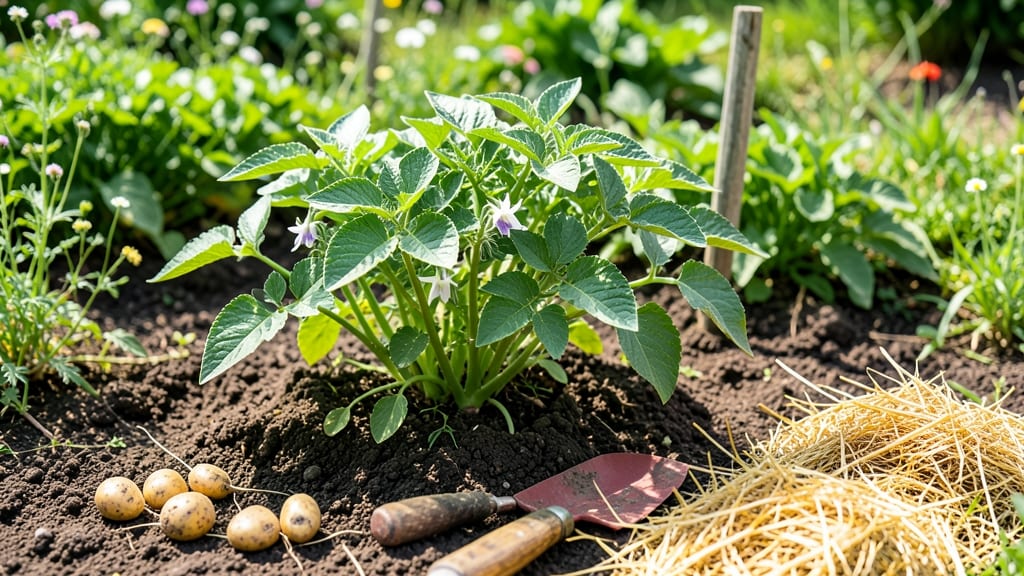
Planting potatoes in Ohio at the wrong time can mean the difference between a bountiful harvest and wasted effort. With frost lingering until mid-April and blight creeping in by summer, timing is everything for your 🥔 crop.
The key to success? Starting when soil temperatures hit that sweet spot between 45–55°F, not just when the calendar says spring.
Most Ohio gardeners wait until 4–6 weeks before the last frost, but that’s just the starting point. I’ve learned the hard way that rushing too early can leave your potatoes vulnerable to cold soil, while waiting too late risks missing the ideal window for fast germination.
The solution? A simple soil temperature check—and I’ll show you exactly how to do it.
In this guide, you’ll discover the exact months to plant for your Ohio zone, plus pro tips to jumpstart growth and avoid common mistakes. Whether you’re a first-timer or a seasoned gardener, these tricks will help you grow potatoes faster and with fewer headaches.
Let’s get those spuds in the ground the right way.
From pre-sprouting to frost-free planting, we’ll cover every step to ensure your potatoes thrive in Ohio’s unpredictable climate. Ready to dig in? The clock is ticking—your harvest starts now.
Ohio potato planting calendar: best months by soil temperature
Ohio’s variable spring weather makes potato planting tricky—get it wrong, and you risk frost damage or disease pressure. The key? Planting when soil temperatures hit 45–55°F and frost risk drops.
In most of Ohio, this means late March to mid-May, but Northern Ohio (like Cleveland) lags behind Southern Ohio (like Cincinnati) by 2–3 weeks. Understanding these windows ensures your seed potatoes sprout quickly and avoid rot.
Potatoes thrive in warm soil, but they won’t germinate below 45°F. If you plant too early, your tubers may rot in cold, wet soil. Conversely, waiting too long risks late blight, a fungal disease that thrives in Ohio’s humid summers.
The sweet spot? 4–6 weeks before your last frost date, which in Ohio typically falls between April 15 (North) and May 1 (South). Use this as your starting point, then adjust based on soil temps.
Here’s how Ohio’s microclimates break down for potato planting:
| Region | Ideal Planting Window | Soil Temp Range | Last Frost Date | Best Varieties |
|---|---|---|---|---|
| Northern Ohio (Cleveland, Toledo) | Late April to early May | 45–50°F | April 20–May 5 | Early varieties: Yukon Gold, Red Pontiac |
| Central Ohio (Columbus) | Mid April to mid-May | 45–52°F | April 15–April 30 | Mid-season: Kennebec, Fingerling |
| Southern Ohio (Cincinnati, Lexington) | Early April to early May | 48–55°F | April 1–April 15 | Late varieties: Russet, Purple Viking |
For Northern Ohio, aim to plant by May 1 to avoid late frosts. In Southern Ohio, you can start as early as late March if soil temps are stable. Pro tip: Use a soil thermometer to confirm—potatoes need consistent warmth to germinate.
If your soil is still below 45°F, wait a week or two. Patience now prevents rot and wasted seed potatoes later.
Ohio’s unpredictable spring can throw off even the best-laid plans. If a late frost hits after planting, cover your rows with frost blankets or straw mulch to protect young sprouts.
Conversely, if soil stays too cold, consider chitting your potatoes indoors (placing them in light to encourage sprouts) to speed up the process once conditions improve. This trick shaves 1–2 weeks off your growing season, which is critical in Ohio’s short summer.
Don’t overlook soil preparation—potatoes thrive in loose, well-draining soil with a pH of 5.0–6.5. Work in compost or aged manure before planting to boost fertility. Avoid fresh manure, which can cause burn and rot.
In Ohio’s clay-heavy soils, mix in sand or peat moss to improve drainage. Well-prepped soil = faster germination and bigger yields.
If you’re growing early varieties, you can plant as soon as soil is workable in late March, even if temps dip at night. For late varieties, wait until mid-May to avoid blight.
In Ohio, late blight (the same fungus that caused Ireland’s potato famine) is a real threat after June 1. Planting too late increases your risk, so balance soil warmth with frost dates.
For container gardening, adjust your timeline slightly—pots warm up faster than soil. Start 2 weeks earlier than your region’s recommended date, but monitor soil temps closely. Containers also dry out faster, so water consistently to avoid stress and stunted growth.
If you’re using black plastic mulch, it can raise soil temps by 5–10°F, letting you plant 1–2 weeks earlier without risk.
Remember: Ohio’s humidity and rain make disease management critical. Space your plants 12–15 inches apart in rows 30 inches apart for airflow. Rotate crops yearly to prevent soil-borne diseases like verticillium wilt.
If you planted potatoes last year in the same spot, move them at least 50 feet away or wait 3–4 years before replanting.
Timing your potato planting in Ohio isn’t just about months—it’s about soil temperature. Use these guidelines as your roadmap, but stay flexible. Check your local frost dates and soil temps weekly in spring.
With the right approach, you’ll harvest bountiful, disease-free potatoes by July or August—just in time for fresh harvests! 🥔
How to test soil temperature for potato success in Ohio
Testing your soil temperature is the secret to growing healthy potato crops in Ohio’s unpredictable climate. Potatoes need consistent warmth—between 45°F and 55°F—to sprout and thrive. Without the right conditions, your seed potatoes might rot or refuse to grow, wasting your time and effort.
I’ve learned the hard way that rushing into planting without checking soil temps can lead to disappointing results.
Ohio’s spring weather swings wildly, with late frosts in March and April and sudden warm spells that can fool even experienced gardeners. A soil thermometer is your best tool to avoid these pitfalls.
It’s not just about the air temperature—soil stays cold long after the air warms up, especially in shaded or northern Ohio areas. By testing your soil, you’ll know exactly when to plant for the best chance of a bountiful harvest.
⚠️ callout warning
Even if your soil hits 50°F, a late frost can kill young potato plants. Check your local last frost date (typically April 15 in Ohio) and wait until soil temps stay above 50°F for 3+ days. Northern Ohio areas may need to wait until May for safety.
🌱 Pro Tip: Use a min/max thermometer to track daily fluctuations.
To test your soil temperature, start by choosing a shady spot in your garden—this mimics where potatoes will grow. Insert the soil thermometer about 4 inches deep (the same depth you’ll plant your seed potatoes) and leave it for 30 minutes to get an accurate reading.
Early mornings are best because soil temps are most stable. If your reading is below 45°F, wait a few more days and retest—potatoes won’t sprout in colder soil.
Ohio’s unpredictable spring weather can throw off even the most careful gardeners. If your soil stays below 50°F for more than a week, consider pre-sprouting your seed potatoes indoors. Place them in a bright, warm spot (around 60°F) to encourage sprouts before planting.
This gives you a head start and compensates for slow soil warming. Just be sure to plant the sprouted potatoes as soon as soil temps rise—they’ll be more sensitive to cold once they start growing.
If your soil is too cold and you’re eager to plant, try black plastic mulch to warm the soil faster. Lay it down a week before planting to raise temps by 5–10°F. This trick works especially well in Northern Ohio, where springs are cooler.
Just remove the mulch after planting to avoid overheating the soil. For container growers, use black pots or place your pots in a sunny, sheltered spot to speed up warming.
Once your soil hits the ideal 45–55°F range, it’s time to plant! But don’t stop testing—consistent warmth is key. If temps drop again, your potatoes may stop growing or develop hollow heart (a common issue in Ohio’s variable climate).
Keep an eye on your thermometer and adjust your watering schedule—cool soil holds moisture longer, so you might need to water less frequently to avoid rot. With the right soil temps and a little patience, you’ll be harvesting golden potatoes in no time!