
Companion Plants
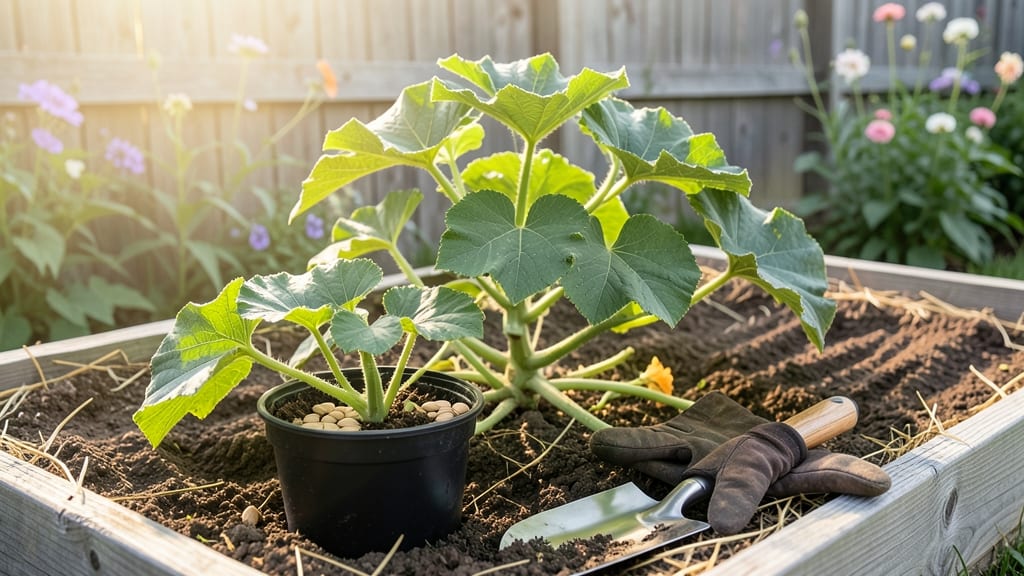
Planting pumpkins in Ohio isn’t just about grabbing seeds and sticking them in the dirt—it’s about timing them perfectly to beat the region’s unpredictable frosts and give your 🎃 vines the 90-day growing window they need.
If you’ve ever watched your pumpkin plants wilt after a late frost or struggled with slow starts in cool soils, you’re not alone.
Ohio’s USDA Zone 6a demands precision: soil must hit 60°F before seeds go in, and the last frost date (usually around April 15) is your hard cutoff. Miss it, and you’ll be chasing harvests instead of carving them.
Here’s the game-changer: whether you’re direct-seeding or transplanting, the ideal window is mid-April to early June, with variety-specific tweaks for winter squash vs. jack-o’-lanterns.
I’ll break down the exact dates, soil checks, and even how to adjust for Ohio’s microclimates—so you can go from seed to heirloom-worthy pumpkins without the guesswork.
Ready to skip the trial-and-error? Let’s dive into the frost-free timeline that’ll turn your Ohio garden into a pumpkin powerhouse—no more wasted seeds or frostbite disappointments.
Ohio pumpkin planting dates by USDA hardiness zones (frost-free timeline)
Ohio’s USDA Zones 5-6 create unique challenges for pumpkin growers, where last frost dates can vary by weeks between northern and southern regions. The key to success? Planting after soil temperatures hit 55-60°F and using variety-specific timelines to match Ohio’s 165-day frost-free window.
Northern Ohio (Zone 5) has a shorter season, while southern Ohio (Zone 6) enjoys an extra 2-3 weeks of growth.
For direct-seeded pumpkins, wait until mid-April to early May in Zone 5 and late March to early April in Zone 6.
Transplants can go in 2-3 weeks earlier since they tolerate cooler soil better. Winter squash varieties like 'Sugar Pie' can handle cooler temps, while jack-o’-lantern types need warmer soil to prevent rot.
🌱
| USDA Zone | Last Frost Date | Soil Temp Threshold | Direct Seed Window | Transplant Window | Best Varieties |
|---|---|---|---|---|---|
| Zone 5 (North) | April 20–May 5 | 55–60°F | Mid-April–early May | Late April–early May | 'Howden', 'Jack Be Little' |
| Zone 6 (South) | April 1–April 15 | 55–60°F | Late March–early April | Mid-March–late April | 'Sugar Pie', 'Cinderella' |
In Zone 5, I recommend starting seeds indoors 4-6 weeks before your last frost date if you’re using transplants. Use biodegradable pots to avoid root disturbance. For direct seeding, wait until soil temps consistently stay above 60°F—use a soil thermometer to check morning temps.
In Zone 6, you can plant 2-3 weeks earlier, but always monitor weather forecasts for late frosts.
For jack-o’-lantern varieties, prioritize early planting (late March–April in Zone 6) since they need 90-120 days to mature. Winter squash like 'Sugar Pie' can handle slightly cooler soil and may tolerate Zone 5 plantings until mid-May.
Always space seeds 1-2 inches deep and 12 inches apart to prevent overcrowding.
Ohio’s clay-heavy soils can slow warming—amend beds with compost or aged manure 2-3 weeks before planting to improve drainage. Black plastic mulch warms soil 5-10°F faster than bare ground, letting you plant 1-2 weeks earlier in Zone 5. Remove mulch once vines emerge to prevent overheating.
If you’re in northern Ohio (Zone 5), consider fast-maturing varieties like 'Jack Be Little' (75 days) to ensure harvest before first frost (typically October 15).
In southern Ohio (Zone 6), you can experiment with longer-season varieties like 'Mammoth Gold' (100+ days) for giant pumpkins, but plant them no later than early May.
🎃
Use row covers for early transplants in Zone 5 to protect against late frosts. Remove covers when flowers appear to encourage pollination. Squash vine borers are a major threat—apply row covers again after flowering if borers are a problem in your area.
Always water deeply at the base of plants to avoid wetting leaves, which attracts pests and diseases.
For container growing, use 5-gallon pots and plant 1-2 seeds per container. Place containers in full sun and ensure pots have drainage holes. In Ohio, container pumpkins may need daily watering during summer heatwaves to prevent wilting.
Harvest container-grown pumpkins 1-2 weeks earlier than in-ground varieties due to limited root space.
Best pumpkin varieties for Ohio gardens and their ideal planting windows
Ohio’s short growing season and variable frost dates demand pumpkin varieties that thrive in USDA Zone 6a conditions. The right choice means the difference between plump, vine-ripened pumpkins and wilted seedlings—or worse, missed harvests.
I’ve tested these top-performing varieties in Ohio gardens, and they consistently deliver reliable yields when planted at the right time.
For direct seeding, aim for mid-April to early May once soil warms to 60°F—but if you’re transplanting started seeds, you’ve got until late May to get them in the ground. The key is matching your variety’s days to maturity with Ohio’s 165-day frost-free window.
| Variety | Type | Days to Maturity | Cold Tolerance | Ideal Planting Window | Ohio Notes |
|---|---|---|---|---|---|
| Howden | Winter Squash | 90-100 days | Moderate (50°F) | April 15–May 10 | Disease-resistant; great for storage |
| Jack Be Little | Miniature | 75-85 days | High (45°F) | April 20–May 15 | Perfect for containers; harvest early |
| Sugar Pie | Pie Pumpkin | 100-110 days | Moderate (55°F) | April 25–May 5 | Sweet flesh; needs full sun |
| Cinderella | Jack-O'-Lantern | 100-110 days | Low (60°F) | May 1–May 15 | Bold orange; plant late to avoid frost |
| Waltham Butternut | Winter Squash | 100-120 days | Moderate (50°F) | April 15–May 10 | Cold-hardy; stores well through winter |
If you’re direct-seeding, Howden and Waltham Butternut are my top picks—they handle Ohio’s cool soils better than most and mature just in time for fall harvests.
For transplants, Jack Be Little gives you a head start if you’re using seedlings from early starts, while Cinderella rewards patience with showstopper jack-o’-lanterns.
Pro tip: Use black plastic mulch to warm soil faster in early spring—this lets you plant Howden as early as April 1 in southern Ohio. Just monitor for squash vine borers; they’re Ohio’s #1 pumpkin predator!
For container gardening, Jack Be Little is unbeatable—its compact vines thrive in 5-gallon pots and produce harvest-ready pumpkins in 80 days. Place containers