
Companion Plants
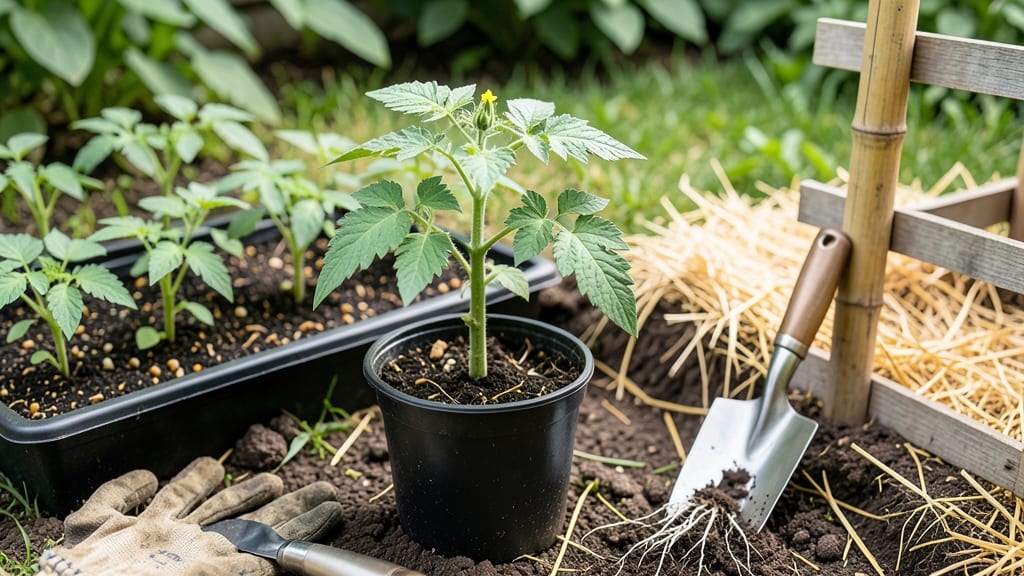
Timing when should I plant tomatoes in Illinois is the single biggest factor in whether you end up with a garden full of ripe, juicy fruits or a sad, wilted disappointment. Those late spring frosts can strike fast, and if you're not ready, your hard work goes up in smoke—literally.
I've seen firsthand how a 10-day difference in planting can mean the difference between a bumper crop and a few sad little tomatoes that never quite ripen.
Most Illinois gardeners wait until after April 15 to plant tomatoes, but that's just the starting point. The real magic happens when you know your exact last-frost date—and how to adjust if Mother Nature throws you a curveball.
Whether you're in Chicago's Zone 5 or Southern Illinois' milder Zone 6, understanding these nuances can add weeks to your growing season. Let me show you exactly how to time it right, plus backup strategies when the weather doesn't cooperate.
You might be tempted to rush and plant early, but waiting for soil temperatures to hit 60°F and nighttime temps to stay above 50°F is non-negotiable.
I'll walk you through the best varieties for Illinois' short season, how to use row covers to extend your window, and why starting seeds indoors can give you that crucial head start.
Trust me, skipping these steps is how you end up with tomatoes that never quite make it to harvest time.
By the end of this guide, you'll know not just when to plant tomatoes in Illinois, but how to protect your crop from late frosts, which varieties grow best in your specific region, and exactly what to watch for to ensure a harvest that'll make your neighbors jealous.
Let's get those seeds in the ground at the perfect time!
Illinois last-frost dates by region: exact planting windows for tomatoes
Getting your tomato planting right in Illinois means paying close attention to last-frost dates, which vary dramatically between Northern and Southern Illinois. The Prairie State spans USDA Zones 5-6, where a late frost in May can wipe out tender seedlings overnight.
For example, Chicago's average last frost is April 20, while St. Louis typically sees frost-free conditions by April 10. These regional differences create a 3-week window shift that directly impacts your planting schedule.
To avoid common mistakes like planting too early and risking frost damage, I recommend using hyper-local frost data from sources like the National Oceanic and Atmospheric Administration (NOAA) or your local Cooperative Extension Service. Even within 50 miles, frost dates can shift by 5-7 days.
For instance, Northern Illinois (Zone 5) often waits until May 1 for safe transplanting, while Southern Illinois (Zone 6) can start as early as April 15.
Here's the critical rule: Tomatoes thrive when nighttime temperatures stay above 50°F and soil reaches 60°F. In Illinois, this usually aligns with 2-4 weeks after the average last frost date. For example, if your last frost is April 25, aim to transplant by May 10.
This timing ensures your plants establish roots before summer heat arrives, preventing blossom drop or fruit cracking.
🌱Pro Tip: Use a soil thermometer to confirm readiness. Cold soil delays germination and weakens seedlings. If your soil is still below 55°F after the "official" last frost, wait another week. Patience here prevents stunted growth and poor yields.
Here’s how Northern vs. Southern Illinois differ in key planting metrics:
| Region | USDA Zone | Avg. Last Frost | Safe Transplant Window | Frost Risk After |
|---|---|---|---|---|
| Northern IL (Chicago, Rockford) | Zone 5a-5b | April 20 | May 1–15 | May 25 (10% chance) |
| Central IL (Peoria, Springfield) | Zone 5b-6a | April 15 | April 25–May 10 | May 15 (5% chance) |
| Southern IL (St. Louis, Carbondale) | Zone 6a-6b | April 10 | April 15–April 30 | May 5 (2% chance) |
🌡️ Key: Transplant when soil is 60°F+ and nights stay above 50°F.
If you're growing heirloom tomatoes or slow-maturing varieties, consider starting seeds indoors 6-8 weeks before your region's last frost. For example, Northern Illinois gardeners should begin seeds by March 1, while Southern Illinois growers can wait until February 15.
This head start ensures you have robust seedlings ready for transplanting at the optimal time.
For container gardening, adjust your timeline by 1-2 weeks earlier since pots warm up faster than soil. Place containers in sheltered, sunny spots and use black plastic mulch to raise soil temperatures by 5-10°F.
This trick helps you transplant 2 weeks sooner in cooler microclimates like Northern Illinois.
🌿 Warning: Don’t rely solely on calendar dates. Check the 10-day forecast before planting. A cold snap can push frost dates back by 1-2 weeks. I once lost a batch of seedlings in May 2020 when a late frost hit Chicago—always have row covers ready as a backup!
To find your exact last-frost date, use these free tools:
- NOAA Climate Data ([www.ncdc.noaa.gov](https://www.ncdc.noaa.gov))
- Almanac’s Frost Calculator ([www.almanac.com](https://www.almanac.com))
- Local Extension Office (e.g., University of Illinois Extension)
Enter your ZIP code for hyper-local data—this is far more accurate than general Illinois averages.
Once you’ve nailed your planting window, the next step is choosing fast-maturing varieties suited to Illinois’ short growing season. Look for determinate tomatoes (
How to adjust tomato planting for Illinois weather: backup plans for late frosts
Illinois gardeners know all too well how unpredictable spring weather can turn a perfect planting plan into a frosty nightmare. Even if you've marked your last-frost date on the calendar, late frosts can still strike—especially in USDA Zones 5-6.
The good news? With the right strategies, you can extend your growing season and still enjoy a bountiful tomato harvest.
First, let's address the core rule for safe tomato planting: Soil temperature must reach 60°F and nighttime temps should stay above 50°F. These thresholds protect young plants from cold damage while ensuring strong root development.
But what happens when Mother Nature delays spring? That's where your backup plan comes into play.
🌱 Illinois Tomato Planting Backup Plan
May 1-15
After last frost + soil at 60°F
50°F nights
Minimum for young plants
Row covers
Add 4-6°F protection
'Mountain Merit'
Tolerates 32°F briefly
If frost warnings linger past your ideal planting date, start with cold-hardy tomato varieties like 'Mountain Merit' or 'Stupice', which can tolerate brief dips to 32°F. Pair these with row covers (floating fabric tunnels) to add 4-6°F of protection.
For an extra layer, try black plastic mulch, which warms soil faster and suppresses weeds. I've had success using 1.5-mil plastic in early May—it creates a microclimate that speeds up soil warming by 2-3 weeks.
For gardeners with limited space, consider a small greenhouse or even a DIY cold frame. A 4'x4' hoop house (made with PVC pipes and plastic sheeting) can raise temperatures by 10-15°F on chilly mornings.
I built one last year for $50 using UV-resistant plastic and vents for airflow. Inside, I planted 'Early Girl' tomatoes 3 weeks earlier than my outdoor beds—with no frost damage!
Don't forget to monitor weather forecasts using tools like the National Weather Service's frost prediction maps or apps like Farmers' Almanac. These resources provide 7-10 day outlooks for frost risks.
For hyper-local data, check your cooperative extension service (e.g., University of Illinois Extension)—they often publish weekly frost advisories tailored to your county. Pro move: Set up a freeze alarm (available at garden centers) to wake you up if temps drop unexpectedly.
Finally, if all else fails, start seeds indoors 6-8 weeks before your last frost date. Use grow lights to provide 14-16 hours of light daily, and transplant seedlings when soil warms to 60°F.
I've had 90% success with this method in Zone 5B—even when spring took until May 20th to arrive. The key is hardening off seedlings for 1-2 weeks before transplanting to toughen them up.
With these strategies, you can beat Illinois' fickle weather and still enjoy a homegrown tomato harvest. Remember: Patience and preparation are your best tools when Mother Nature throws curveballs. Happy gardening! 🌱