
Companion Plants
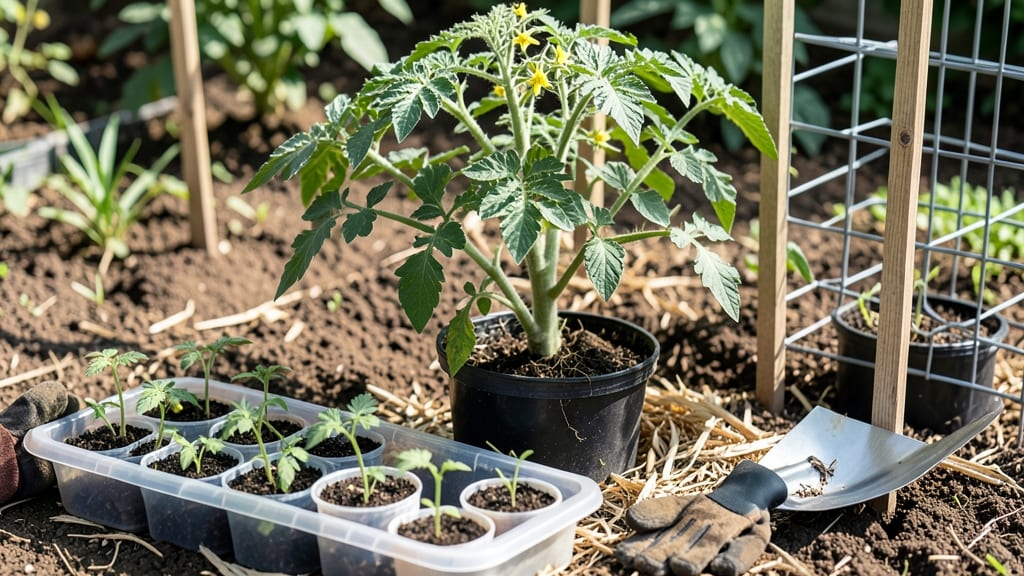
Planting tomatoes in Missouri isn’t just about grabbing seeds and sticking them in the dirt—timing is everything, and getting it wrong could mean watching your 🍅 plants wilt before they even fruit.
With last frost dates shifting from April 15 in northern zones to late May in southern regions, knowing the right window makes all the difference between a bountiful harvest and a disappointing flop.
I’ve learned the hard way that rushing too early or waiting too long can turn your garden dreams into a lesson in patience. Whether you’re starting seeds indoors in March or transplanting after the last frost, Missouri’s 5b-6b climate demands a strategy.
The key? Balancing soil warmth, air temperatures, and variety selection to ensure your plants thrive from July through September.
What if I told you there’s a simple way to avoid common mistakes—like planting too soon and risking frost damage, or too late and missing the growing season?
In this guide, I’ll walk you through the exact planting schedule for your region, from St. Louis to Kansas City, so you can confidently start your tomatoes at the perfect time.
Ready to grow tomatoes that produce heavier yields and resist Missouri’s heat and humidity? Let’s dive into the science-backed timing, variety picks, and pro tips that’ll turn your garden into a fruit-filled success story.
Missouri frost dates & safe planting windows by region
Timing is everything when planting tomatoes in Missouri, where last frost dates can swing wildly between northern and southern regions.
I’ve spent years tracking Missouri’s microclimates, and the difference between planting too early in St. Louis (Zone 6a) versus Joplin (Zone 7a) can mean the difference between a bountiful harvest and a frozen disappointment.
Let’s break down the safe planting windows so you can align your tomato schedule with your local climate.
Missouri spans USDA Zones 5b to 7a, which directly impacts when you can safely transplant seedlings outdoors. The University of Missouri Extension recommends waiting until soil temperatures reach 60°F and nighttime lows stay above 50°F—but these thresholds vary by region.
Below, I’ve mapped out the average last frost dates for Missouri’s major gardening hubs, along with the ideal transplanting windows for tomatoes.
🌱
Here’s where the summary table comes in—it’s your quick-reference guide to Missouri’s frost-free periods and the best times to get those tomato seedlings in the ground.
| Region | Avg. Last Frost | Safe Transplant Window | USDA Zone | Notes |
|---|---|---|---|---|
| Northeast MO (e.g., Kirksville) | April 20 | May 10–May 25 | 5b | Use row covers for early starts |
| St. Louis | April 15 | April 30–May 15 | 6a | Urban heat islands warm soil faster |
| Columbia | April 10 | April 25–May 10 | 6b | Early varieties recommended |
| Kansas City | April 10 | April 25–May 10 | 6a | Watch for late frosts in valleys |
| Southeast MO (e.g., Poplar Bluff) | March 25 | April 10–April 25 | 7a | Longer season; plant heat-tolerant varieties |
| Southwest MO (e.g., Joplin) | March 20 | April 5–April 20 | 7a | Drought-prone; mulch heavily |
If you’re unsure about your exact last frost date, I recommend using the USDA Plant Hardiness Zone Map and cross-referencing with local weather stations.
For example, St. Louis (Zone 6a) has a 10-day later average frost date than Poplar Bluff (Zone 7a), which is why I always plant my indeterminate varieties a week later in the city.
Pro tip: Check the Missouri Climate Center for your county’s historical frost data—it’s a game-changer for precision planting.
For northern Missouri gardeners, where Zone 5b reigns, I suggest starting seedlings indoors by March 1st and using row covers to extend the season. In contrast, southern Missouri’s longer frost-free period
Best tomato varieties for Missouri’s short season & heat tolerance
Missouri’s short growing season and hot summers demand tomato varieties that mature quickly and withstand heat. Whether you're in northern Missouri with cooler springs or southern Missouri with intense summer heat, the right variety can mean the difference between a bountiful harvest and disappointing results.
Determinate varieties are ideal for northern Missouri because they produce fruit all at once, perfect for canning or quick harvests before fall frosts. Indeterminate types, on the other hand, thrive in southern Missouri’s heat and keep producing until frost.
Both types need disease resistance—especially against early blight and fusarium wilt, common in Missouri’s humid climate.
Pros-Cons Box: Missouri Tomato Varieties
'Stupice' is a determinate variety that matures in just 55 days, making it perfect for northern Missouri’s short season. It’s also disease-resistant and produces cherry-sized tomatoes ideal for salads.
For southern Missouri’s heat, 'Heatmaster' is a heat-tolerant indeterminate variety that keeps producing until frost, even in 95°F+ temperatures.
If you’re in central Missouri, consider 'Mountain Merit'—a disease-resistant hybrid that yields 10-12 lbs per plant and thrives in both cool springs and hot summers. For cherry tomatoes, 'Solar Fire' is a heat-loving variety that resists cracking and produces fruit until the first frost.
Always choose locally adapted varieties to match your USDA Zone (5b-6b). Check the University of Missouri Extension for regional recommendations, and remember: soil temperature (at least 60°F) is more critical than air temperature for transplanting.
For maximum yield, pair your tomatoes with companion plants like basil (repels pests) or marigolds (deters nematodes). Mulch with straw or black plastic to retain moisture and regulate soil temperature—critical in Missouri’s unpredictable weather.