
Plants
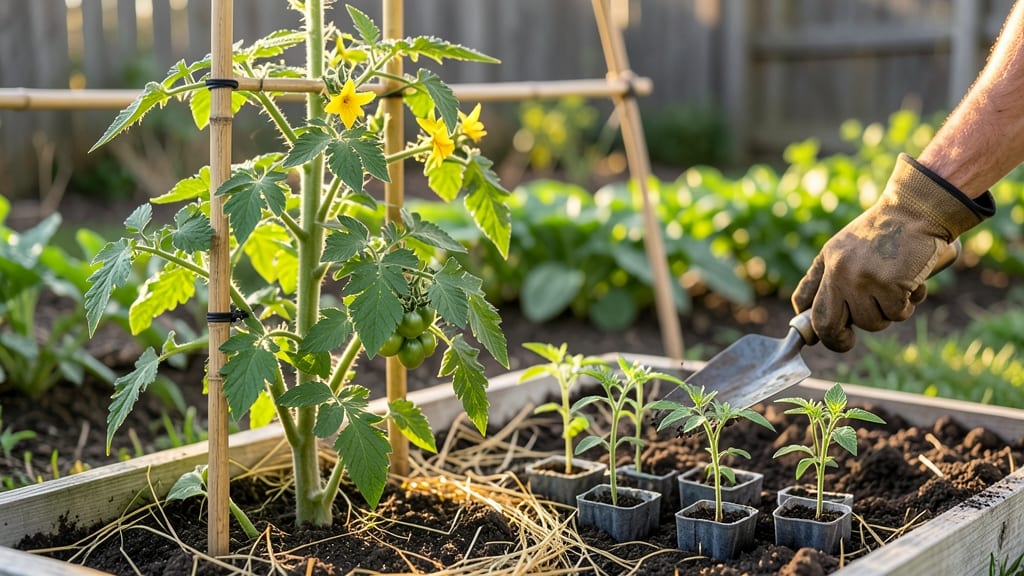
Planting tomatoes in Texas isn't just about grabbing a seed packet—it's about mastering the heat zone calendar that separates a thriving garden from a sad, wilted 🍅 disaster.
With Texas' brutal summers and unpredictable frost dates, timing is everything. Too early, and a late frost will turn your dreams into compost. Too late, and your plants will struggle under the relentless sun.
But don't worry—I've got the science-backed schedule to help you avoid these pitfalls and grow tomatoes that actually make it to harvest.
Whether you're in North Texas where winters linger or South Texas where summer starts early, knowing when to plant gives you the edge. We'll break down the ideal windows for your specific region, plus pro tips for starting seeds indoors and transplanting at the perfect moment.
Ready to beat the heat and grow tomatoes that thrive? Let's dive into the exact planting schedule that works for your corner of Texas—no guesswork, just guaranteed results.
Texas heat zones explained: when to plant tomatoes by region
Texas' diverse climate creates unique challenges for tomato growers. The state is divided into 12 heat zones (A-D, 1-3), each with distinct last frost dates and summer heat patterns.
Understanding your zone helps you choose the right tomato varieties—whether heat-tolerant indeterminate types or early-maturing determinate varieties—and time plantings for maximum success.
For example, gardeners in Zone A1 (North Texas) face late frosts until March 15, while those in Zone D3 (South Texas) can plant tomatoes year-round with minimal frost risk. The key is aligning your planting window with soil temperatures above 60°F and avoiding blossom-end rot from temperature swings.
Here’s how Texas’ heat zones break down—and when to plant tomatoes in each for optimal harvests:
| Zone | Last Frost Date | Ideal Planting Window | Best Varieties | Key Tip |
|---|---|---|---|---|
| A1 (North) | Feb 15–Mar 15 | Apr 1–May 15 | Early Girl, Mountain Merit | Use row covers for late frosts. |
| A2 (North) | Feb 28–Mar 10 | Apr 15–May 10 | Celebrity, Bush Early Girl | Mulch heavily to retain moisture. |
| B1 (Central) | Mar 1–Mar 15 | Mar 15–Apr 30 | Better Boy, Jetsetter | Stake indeterminate varieties. |
| C1 (Central) | Mar 15–Apr 1 | Feb 28–Apr 15 | Heatmaster, Solar Fire | Plant in partial shade in summer. |
| D3 (South) | Feb 1–Mar 1 | Jan 15–Mar 31 | Solar Set, Creole | Succession plant every 2 weeks. |
| D2 (South) | Feb 15–Mar 10 | Feb 1–Apr 15 | Arkansas Traveler, Cherokee Purple | Drip irrigation reduces heat stress. |
In North Texas zones (A1-A3), focus on early-maturing varieties like Mountain Merit to beat the heat. These zones have shorter frost-free seasons (around 210 days), so starting seeds indoors in February gives you a head start. Transplant seedlings only after soil warms to 60°F—usually mid-April.
Central Texas (B1-C3) offers a longer window, but summer temperatures can exceed 100°F. Here, heat-tolerant indeterminate varieties like Heatmaster thrive when planted in early spring (March) or late summer (August) for fall harvests. Always mulch heavily to protect roots from heat spikes.
South Texas (D1-D3) is the most forgiving, with 300+ frost-free days. You can plant tomatoes year-round, but peak seasons are February–April (spring) and July–August (fall). Varieties like Solar Set handle the intense sun and high humidity better than others.
To find your exact zone, check the Texas A&M AgriLife Extension map or use the USDA Plant Hardiness Zone Finder. Pro tip:
Step-by-step planting schedule for Texas tomatoes: avoiding frost and heat stress
Timing your tomato transplants in Texas isn't one-size-fits-all—it depends on whether you're in North Texas' chilly valleys or South Texas' steamy plains. The key is waiting until soil temps hit 60°F and nighttime lows stay above 50°F to avoid blossom-end rot and heat stress.
For me, this means starting seedlings indoors 6-8 weeks before the last frost date, but transplanting outdoors only after Mother's Day in most regions.
Texas' three distinct planting zones (North, Central, South) create different windows—North Texas gardeners should wait until mid-April to May, while South Texas can start as early as February. The mistake I see most?
Rushing seedlings into cold soil. Tomatoes hate cold feet, and stunted growth follows. Let's break this down step-by-step to get your plants thriving from day one.
🌱 Texas Tomato Planting Timeline
- 1 Start Seeds Indoors: 6-8 weeks before last frost (Jan-Feb for North TX, Dec-Jan for South TX). Use seedling trays with sterile potting mix and grow lights for 14-16 hours/day.
- 2 Hardening Off: 10-14 days before transplant. Move seedlings outdoors for 2-3 hours daily, gradually increasing time. Watch for wilting—this means they're not ready yet.
-
3
Transplant Outdoors:
- North TX: April 15-May 1 (after last frost)
- Central TX: March 20-April 15
- South TX: February 15-March 15
- 4 Soil Prep: Amend with 2-3 inches of compost and balanced fertilizer (5-10-10). Tomatoes need well-draining soil with a pH of 6.0-6.8. Test your soil—mine was always too alkaline until I added sulfur!
- 5 Planting Depth: Bury stems 1/3 of the way to encourage root growth. Space determinate varieties 2-3 ft apart and indeterminate 3-4 ft apart. Add mulch immediately to retain moisture and block weeds.
- 6 Companion Planting: Pair tomatoes with basil, marigolds, or onions to deter pests. Avoid planting near brassicas (cabbage family) or corn, which compete for nutrients.
- 7 Heat Management: In 100°F+ temps, use shade cloth (30%) during peak afternoon sun. Water deeply in the morning—never at night—to prevent fungal diseases like blight.
Don't skip the mulch layer—I learned this the hard way when my first Texas garden baked into a crispy mess by July. Use 2-3 inches of straw or wood chips to keep roots cool and moisture locked in.
For fall harvests, plant heat-tolerant varieties like 'Solar Fire' in July-August and protect them from early frosts with row covers.
Watch for heat stress signs like drooping leaves or yellowing