
Plants
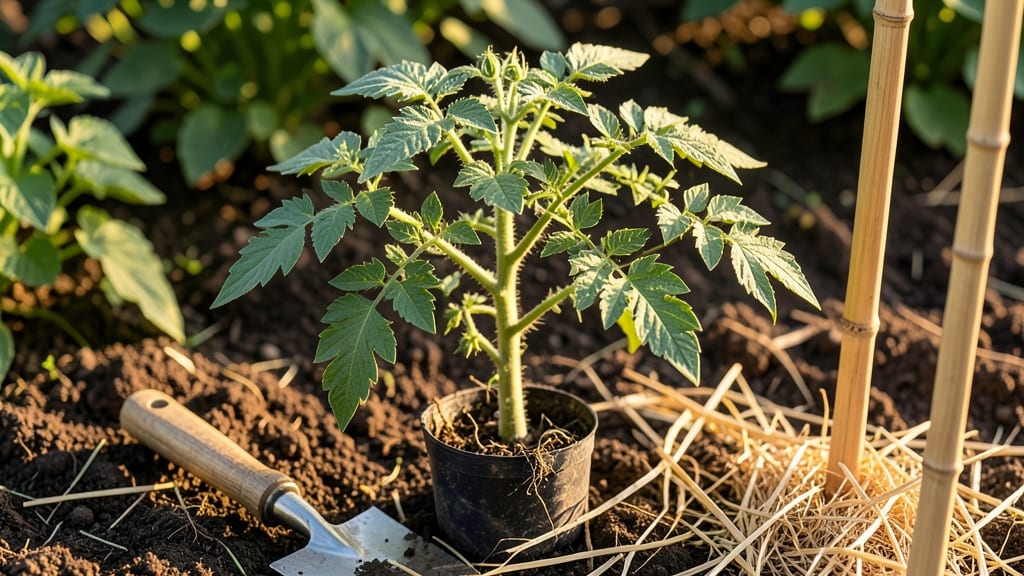
If you’ve ever planted tomatoes in Texas only to watch them wilt under 100°F heat or freeze in a late spring chill, you know timing is everything. The best time to plant tomatoes in Texas isn’t just about the calendar—it’s about matching your region’s heat zone to your plant’s needs.
Whether you’re in North Texas where frost lingers until March or South Texas where the growing season stretches year-round, getting this right means the difference between a bumper crop of juicy 🍅 and a sad, shriveled disappointment.
Most Texas gardeners assume spring is the only window, but with the right strategy, you can grow tomatoes in three seasons. The key? Starting early in North Texas (after your last frost date) and stretching into fall when temperatures dip.
I’ll break down exactly when to plant in your specific heat zone—no guesswork, just proven timing to maximize your harvest from June through October.
You’ll also discover how to prep your soil for Texas’s extreme conditions, which varieties thrive in summer’s scorching heat, and how to extend your growing season with simple tricks like black plastic mulch.
Whether you’re a first-time gardener or a seasoned pro, these insights will help you avoid common mistakes and enjoy homegrown tomatoes all season long.
Ready to turn your Texas garden into a tomato powerhouse? Let’s dive into the heat zone calendar that’ll give you the best possible start—and keep your plants thriving until the first frost.
Texas heat zones explained: best tomato planting months by region
Texas spans USDA hardiness zones 8a through 11, creating wildly different planting windows for tomatoes. In North Texas (8a-9a), like Dallas and Fort Worth, gardeners face late spring frosts that can delay planting until April.
Meanwhile, South Texas (10a-11), including Houston and San Antonio, enjoys year-round growing potential with minimal frost risk. Even West Texas (8a-9b), like El Paso, has unique microclimates where high desert conditions demand careful water management.
Understanding your heat zone determines whether you'll plant early spring for fall harvests or late summer for winter tomatoes. The key is matching tomato varieties to your region's temperature extremes—some varieties wilt at 95°F while others thrive in 105°F+ heat.
Let's break down the optimal planting months by Texas region to maximize your harvest.
🌱 Pro Tip: Always check your last frost date (typically March 15 in North Texas, February 15 in Central Texas, and January 15 in South Texas) and wait until soil reaches 60°F before planting. Use a soil thermometer to avoid cold soil shock.
| Region | USDA Zone | Best Planting Window | Last Frost Date | First Frost Date | Heat Tolerance Tip |
|---|---|---|---|---|---|
| North Texas (Dallas/Fort Worth) | 8a-9a | Mid-April to early May | March 15 | November 15 | Use early maturing varieties (60 days) to avoid summer heat. |
| Central Texas (Austin) | 8a-9b | Late February to March | February 15 | December 1 | Plant heat-tolerant varieties like 'Solar Fire' for summer. |
| South Texas (Houston/San Antonio) | 9a-11 | January to March + August-Sept | January 15 | December 15 | Year-round planting possible with shade cloth in peak summer. |
| West Texas (El Paso) | 8a-9b | Late March to April | March 1 | November 1 | Use drip irrigation to conserve water in high desert heat. |
In North Texas (8a-9a), where late frosts are common, aim for mid-April to early May planting. Choose cold-tolerant varieties like 'Stupice' or 'Mountain Merit' that can handle 50°F nighttime temps.
These varieties give you a head start before summer's 100°F+ heat arrives. For fall harvests, plant transplants in August—they'll mature before the first frost hits around November 15.
Central Texas gardeners in zone 8a-9b (Austin area) have a longer growing season with last frosts by February 15. This means you can plant late February to March for a summer harvest or August-September for a fall crop.
The key here is succession planting: start with early varieties like 'Celebrity' in spring, then switch to heat-resistant types like 'Heatmaster' or 'Solar Fire' for summer.
South Texas (zones 9a-11) is the golden zone for tomatoes, with minimal frost risk and year-round growing potential. Plant January to March for spring harvests and August-September for fall/winter tomatoes.
Use shade cloth (30-50%) during peak summer heat (June-August) to protect plants from sun scald. Varieties like 'Heatmaster' and 'Solar Set' thrive in these conditions.
West Texas (zones 8a-9b) presents unique challenges with high desert heat and low humidity. Plant late March to April after the last frost (March 1) and focus on drought-tolerant varieties like 'Tiny Tim' or 'Roma'. Use
Succession planting in Texas: how to stretch your tomato harvest all season
Most Texas gardeners plant tomatoes once in spring and call it a day—but that’s leaving fresh homegrown tomatoes on the table. With succession planting, you can enjoy a continuous harvest from June through October by planting in two or three waves.
The secret? Matching each planting to your region’s heat zone and choosing varieties that thrive in Texas’s extreme conditions. Whether you’re in North Texas with its late frosts or South Texas where summer heat never lets up, this strategy works.
Succession planting isn’t just about timing—it’s about soil prep, water management, and picking the right varieties for each season. For example, heat-tolerant hybrids like ‘Heatmaster’ or ‘Solar Fire’ can handle summer’s scorching temperatures, while cold-hardy varieties like ‘Mountain Merit’ or ‘Stupice’ thrive in fall when nights grow cooler.
By staggering your plantings, you’ll avoid overcrowding and ensure your plants get the consistent care they need to produce fruit all season.
Here’s how to stretch your tomato harvest with a three-wave planting schedule that works for most of Texas:
- Wave 1: Early Spring (North Texas: Late March–Early April / Central/South Texas: February–March)
Plant cold-hardy varieties like ‘Mountain Merit’ or ‘Celebrity’ after your last frost date. Use black plastic mulch to warm soil faster and protect young plants from late frosts.
- Wave 2: Late Spring (North Texas: May / Central/South Texas: April)
Switch to heat-tolerant hybrids like ‘Heatmaster’ or ‘Solar Fire’. Space plants 18–24 inches apart to prevent overcrowding and improve airflow.
- Wave 3: Early Fall (North Texas: August–September / Central/South Texas: July–August)
Choose disease-resistant varieties like ‘Defiant PhR’ or ‘Bush Early Girl’ for a late-season harvest. Use row covers if temperatures dip below 50°F at night.
One of the biggest mistakes Texas gardeners make is overcrowding plants to save space. Tomato plants need room to breathe—especially in indeterminate varieties that grow 6–10 feet tall. If you’re short on space, opt for determinate varieties like ‘Roma’ or ‘Patio’, which stay compact and produce fruit in clusters.
Another common pitfall is water stress. Tomatoes in Texas need deep, consistent watering—especially during summer’s heat. Aim for 1–2 gallons per plant every 1–2 days, and always water at the base of the plant to avoid fungal diseases like blight.
To prep your soil for succession planting, start by amending with compost or aged manure to improve drainage and fertility. Texas soil can be heavy and clay-like, so mix in organic matter like leaf mold or coconut coir to loosen it up.
Add a balanced fertilizer (like 5-10-10) at planting and again when flowers appear. For extra protection, use mulch to retain moisture and keep roots cool during summer’s peak heat.
If you’re planting in containers, choose large pots (at least 5 gallons) with drainage holes and fill them with a mix of potting soil and compost.
With this strategy, you’ll enjoy fresh tomatoes from June through October, even in Texas’s harsh climate. The key is adapting to your region’s heat zone, choosing the right varieties for each season, and giving your plants the care they need to thrive.
Start with one wave this year, and next season, expand to two or three for a continuous harvest all summer long.