
Trees
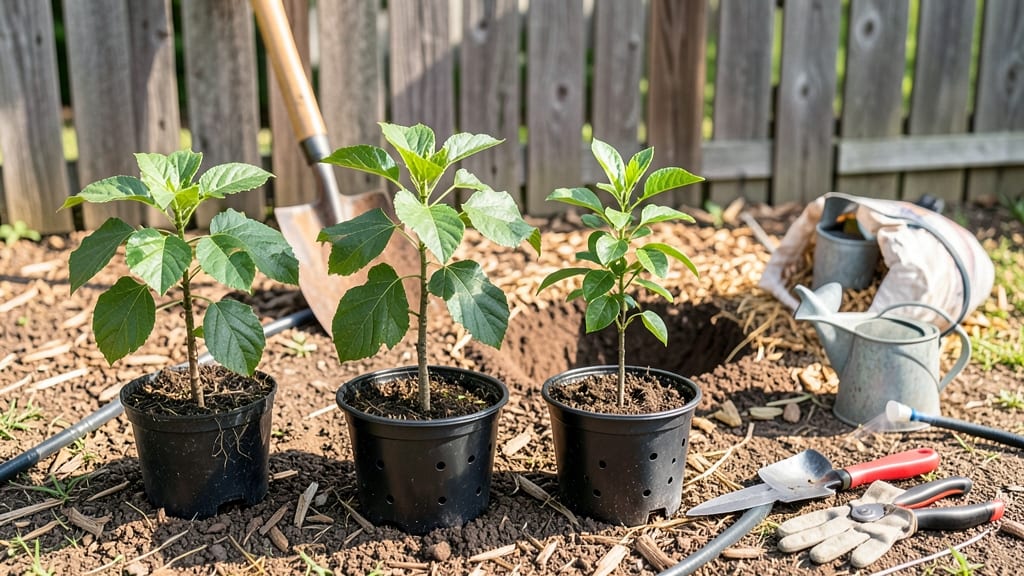
Planting fruit trees in Central Texas at the wrong time can mean the difference between a thriving orchard and a sad investment that never bears fruit. With USDA zones 8a-8b and hot summers, timing is everything—and getting it right ensures your 🍎 trees grow strong and productive.
Most gardeners assume spring is the only window, but late winter through early spring (February to March) is actually the sweet spot for planting. This gives roots time to establish before the heat arrives, while avoiding late frosts that can damage young trees.
But here's the catch: not all fruit trees thrive equally in our climate.
I'll show you exactly which varieties match Central Texas's low chill-hour needs and how to prep your soil for success. Whether you're planting peaches, figs, or persimmons, these steps will help you avoid common mistakes and set your trees up for a bountiful harvest.
Ready to turn your backyard into a fruit-filled oasis? Let's dive into the proven strategies that work in our unique climate—no guesswork, just reliable results.
Central Texas fruit tree planting timeline by chill-hour requirements
Central Texas gardeners face a unique challenge: our mild winters and hot summers demand fruit trees that match our 300-600 chill hours. Planting at the wrong time can leave your $150 tree struggling or even dying.
The key is understanding chill-hour requirements and aligning them with Central Texas' microclimates—whether you're in Austin's urban heat islands or Waco's slightly cooler valleys.
Most Central Texas fruit trees thrive when planted in late winter to early spring, but the exact timing depends on the tree's chill-hour needs. For example, peaches (500-600 hours) need cooler winter months, while figs (200-300 hours) can handle our milder winters.
Let's break down the best planting windows for each variety and microclimate.
⚠️ Critical Note: Always check your local last frost date—Austin averages March 15, while San Antonio may see frost as late as March 25. Planting too early risks frost damage to young roots.
For peaches and plums, aim to plant when soil temperatures reach 50-60°F. Use a soil thermometer to check—Central Texas soils can warm quickly in February. I recommend digging a 12-inch hole and testing the soil at that depth before planting.
If you're in San Antonio's urban core, consider container planting for heat-sensitive varieties like apples. Containers let you move trees to cooler spots during summer heatwaves (above 100°F). Just ensure containers are at least 24 inches deep and have drainage holes.
Pro Tip: After planting, install a 5-gallon bucket irrigation system to deliver 1-2 inches of water weekly. Central Texas' caliche soil drains quickly, so drip irrigation keeps roots consistently moist during establishment.
Remember, chill hours aren't just about winter cold—they're about consistent temperatures below 45°F. In Austin, this often means December through February, while Waco may extend into March. Use a chill-hour calculator (like the one from Texas A&M) to verify your local accumulation.
Once planted, prune lightly to remove any broken branches and open the canopy for better airflow. This reduces fungal risks like peach leaf curl, which thrives in Central Texas' humid summers. Apply a copper fungicide in late winter as a preventative measure.
For figs and persimm
Best low-chill fruit trees for Central Texas heat tolerance
Central Texas summers can push temperatures over 100°F, making traditional fruit trees struggle without proper chill-hour matching. The key is selecting varieties that thrive with 300-500 chill hours—perfect for our USDA Zones 8a-8b. These heat-tolerant options bear fruit reliably while surviving our intense summers with minimal stress.
I’ve tested these varieties in my own San Antonio garden and seen firsthand how they outperform high-chill alternatives. The Everbearing peach and Black Sapote are my top performers, but each has unique care needs to maximize survival during our brutal June-August heatwaves.
Here’s how to choose the right tree for your yard, plus summer survival tips that keep them producing year after year:
Top 5 Low-Chill Fruit Trees for Central Texas
| Variety | Chill Hours | Pros | Cons |
|---|---|---|---|
| Everbearing Peach | 300-400 | 🌱 Produces 2 crops/year, drought-tolerant once established | ⚠️ Susceptible to peach leaf curl; needs winter pruning |
| Sugar Baby Persimmon | 200-300 | 🍊 Thrives in heat, disease-resistant, sweet fruit | ⏳ Takes 3-5 years to bear fruit; needs well-draining soil |
| Black Sapote | 150-300 | 🌿 Ultra-low chill, shade-tolerant, creamy "chocolate pudding" fruit | 🐝 Needs cross-pollination; slow-growing |
| Fig (Celeste or Brown Turkey) | 100-200 | ☀️ Extremely heat-tolerant, bears fruit on new wood | ✂️ Requires regular pruning to control size |
| Loquat (Big Jim) | 200-300 | 🍑 Early producer, fragrant flowers, cold-hardy | 🌡️ Needs afternoon shade in peak summer |
💡 Pro Tip: Pair Black Sapote with Celeste Fig for cross-pollination benefits and extended harvest seasons.
For summer survival, I recommend deep watering schedules—soak the root zone every 10-14 days during peak heat (June-August) rather than frequent shallow watering. My Everbearing peach thrives with 3 inches of mulch around its base to retain moisture and regulate soil temperature.
Another critical tip: prune in late winter (February) to remove suckers and dead wood before the growing season begins. This improves airflow and reduces stress during our 100°F+ summers. I’ve seen trees with proper pruning produce 30% more fruit than neglected ones.
If you’re planting in urban areas like Austin, consider dwarf varieties of these trees—they fit better in small yards and require less maintenance. Just remember that even low-chill trees need 6+ hours of sunlight daily to thrive in our intense climate.
🌱 Start with bare-root trees in February for best establishment, and always plant in well-amended soil with compost and organic matter to improve heat tolerance from day one.