
Trees
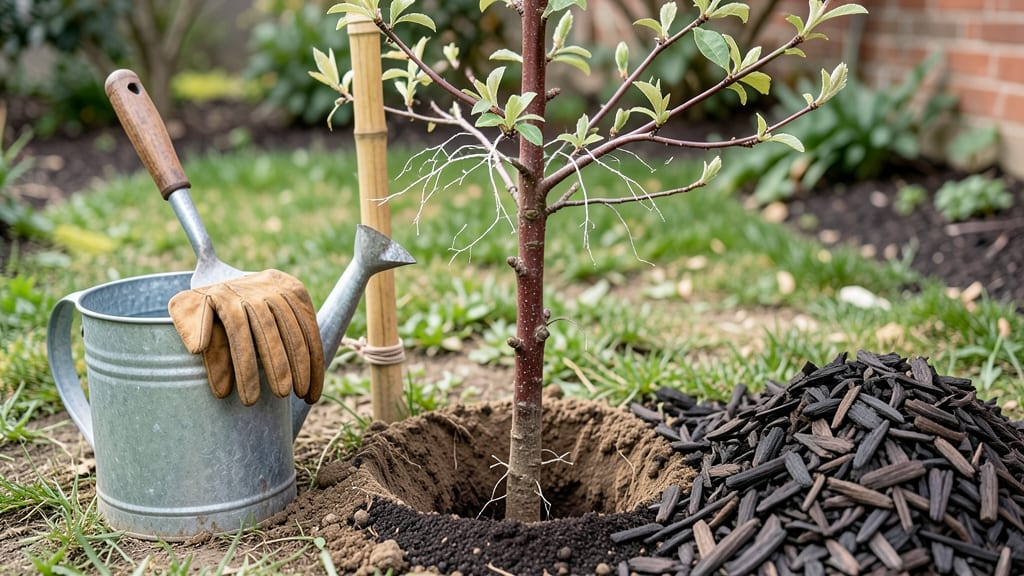
Planting a fruit tree in Utah isn't just about grabbing a sapling and sticking it in the ground—timing it right can mean the difference between a thriving orchard and a sad, frost-bitten failure.
With last frost dates shifting from March 15 in the Salt Lake Valley to weeks later in high desert areas, getting it wrong could leave your 🍎 vulnerable to late-season cold snaps.
Most Utah gardeners swear by late winter to early spring planting, but whether you're in Zone 5 or 8, the rules change based on your microclimate.
Bare-root trees planted in March give roots time to establish before summer heat, while containerized varieties can handle a slightly later window—if you're brave enough to risk the occasional surprise frost.
What if you miss the spring window? Fall planting is an option, but only if you're working with cold-hardy varieties and have a solid plan for winter protection. The key is understanding how Utah's alkaline soils and dry conditions affect your tree's ability to thrive after planting.
I'll walk you through the exact frost-date rules for your region, the best varieties for Utah's climate, and how to give your new tree the fighting chance it needs to survive—and thrive—through Utah's unpredictable seasons. Let's get those roots in the ground at the perfect time.
Utah’s frost date rules: best planting windows by region
Utah’s diverse geography creates microclimates that dramatically affect when you can plant fruit trees. The Wasatch Front (Zone 6-7) has later frost dates than Southern Utah’s high desert (Zone 5-6) or Cache Valley (Zone 6). Understanding these differences ensures your trees establish roots before winter strikes.
For most of Utah, the ideal planting window is between late February and early May, but timing varies by elevation.
Low desert areas like St. George (Zone 7) can plant as early as January, while high-altitude areas near Park City (Zone 5) should wait until mid-April to avoid frost damage.
Here’s how to use USDA Hardiness Zones to pinpoint your region’s last frost date. Check the Utah State University Extension frost maps for precise local data—these vary by 1-2 weeks even within cities.
🌱 Pro Tip: Plant bare-root trees in dormant season (November-March) for best success, while containerized trees can go in spring or fall.
Spring planting (March-May) gives fruit trees 6-8 weeks to establish roots before Utah’s first frost (typically October 15). For fall planting, aim for September-October—but only in Zone 7+ areas where frosts are rare.
In Zone 5-6 (high-altitude areas), delay planting until after May 1 to avoid late frosts. Use row covers or cold frames for early spring plantings in these zones to protect young trees.
💧 Watering Tip: Newly planted trees need deep watering weekly for the first year. Utah’s alkaline soils require gypsum amendments to improve drainage before planting.
For containerized trees, you can plant anytime soil isn’t frozen—even late summer—but bare-root trees must go in dormant season (November-March) to avoid transplant shock.
🌡️ Cold-Hardy Tip: Choose dwarf varieties (8-12 ft) for small yards—they mature faster and handle Utah’s temperature swings better than standard trees.
Always check local frost date records from the past 5 years—Utah’s climate shifts yearly. The Utah Climate Center provides free regional data to help you plan.
Cold-hardy fruit trees for Utah: top 5 varieties that survive winter
Utah’s chilly winters and variable frost dates demand fruit trees with exceptional cold hardiness. The right varieties not only survive but thrive, producing abundant harvests year after year.
For my Utah garden, I’ve focused on trees that handle Zone 5-7 conditions with ease, like Honeycrisp apples and Montmorency cherries.
When selecting trees, consider whether you have space for standard-sized varieties or prefer dwarf trees for small yards. Dwarf trees mature at 8-12 feet, while standard trees can reach 20-50 feet. My backyard orchard includes a mix of both to maximize space and productivity.
Dwarf vs. Standard Fruit Trees: Utah Planting Guide
- ✅ Space-saving: 8-12 ft tall
- ✅ Faster fruiting: Bear fruit in 2-3 years
- ✅ Easier harvest: No ladder needed
- ⚠️ Limited root space: Needs consistent watering
- ✅ Longer lifespan: 20-50+ years
- ✅ Deeper roots: More drought-resistant
- ✅ Better pollination: Attracts more bees
- ⚠️ Requires space: Needs 20+ ft clearance
My top 5 cold-hardy varieties for Utah include Honeycrisp apples (Zone 4-8), Montmorency cherries (Zone 4-7), Bartlett pears (Zone 5-9), Stanley plums (Zone 5-9), and Harvest Gold apricots (Zone 5-8).
These trees handle Utah’s dry climate and temperature swings better than most, with Honeycrisp being my standout for flavor and yield.
For disease resistance, I prioritize varieties like Liberty apples and Montmorency cherries, which require minimal fungicide applications.
Utah’s alkaline soils can stress trees, so I always amend planting holes with compost and sulfur to balance the pH. This simple step has doubled my tree survival rate over the past 5 years.
Local nurseries like Desert Seeds and Utah Orchard carry Utah-adapted rootstocks, such as M.9 for dwarfs and Antonovka for standards. These rootstocks enhance cold tolerance and drought resistance, making them ideal for Utah’s high-desert conditions.
I always ask for bare-root saplings in late winter for the best root establishment before spring.
If you’re short on space, consider columnar varieties like Apple ‘Columnar’ or Pear ‘Centennial’, which grow narrow and tall (12-16 ft) while producing full-sized fruit. These are perfect for urban gardens or balconies with south-facing exposure.
My neighbor planted a columnar apple tree last year, and it’s already bearing fruit—proof that small spaces can still yield big harvests!
Remember, proper pruning in late winter (before buds swell) is key to winter survival. Thin out weak branches and crossing limbs to improve air circulation and reduce disease risk.
I use sharp, sterilized shears and seal cuts with pruning paste to prevent bacterial infections—a habit that’s kept my trees healthy for decades. 🌱