
Flowers
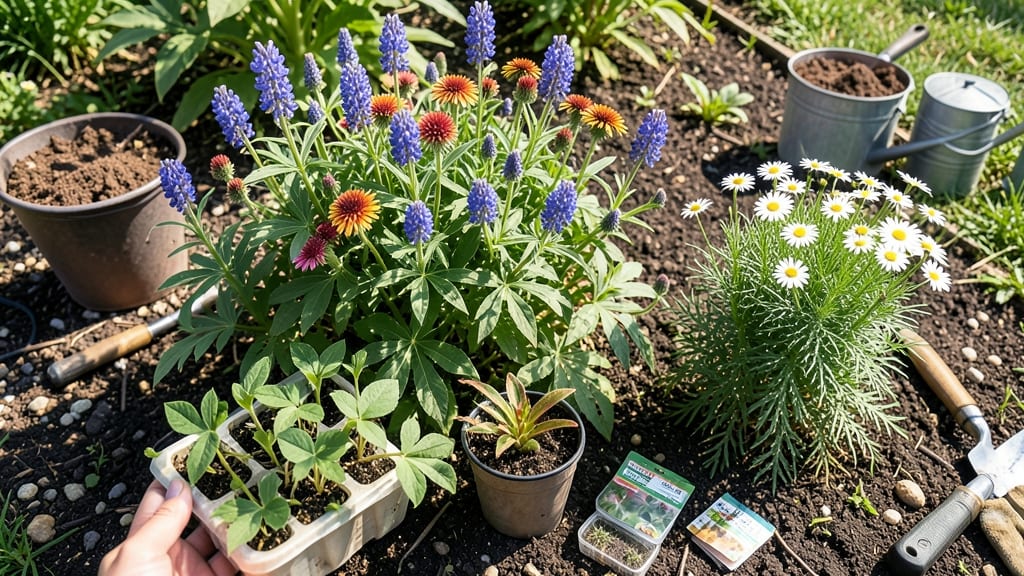
Planting flowers in San Antonio isn’t just about dropping seeds in the dirt—it’s about timing your moves to beat the brutal summer heat and sneaky spring freezes.
With 240 frost-free days and soil that can hit 120°F in peak summer, getting the schedule wrong means watching your blooms wilt before they even open.
I’ve learned the hard way that September through March is your golden window for most flowers—whether you’re planting perennials to establish roots or annuals for a pop of color.
But here’s the catch: not all flowers play by the same rules. Heat-lovers like Lantana can handle the scorching sun, while delicate 🌸 varieties need a gentler touch.
What you’re about to discover isn’t just a calendar—it’s a survival guide. We’ll break down the best months for every type of flower, from bulbs that need fall planting to summer-bloomers that thrive when temps climb.
Plus, I’ll share my top tricks for keeping your garden lush, even when the mercury soars.
Ready to turn your San Antonio yard into a year-round floral paradise? Let’s dive into the exact planting schedule that’ll make your neighbors green with envy—literally.
San Antonio flower planting calendar: month-by-month guide for zero-frost success
Timing your flower plantings in San Antonio isn’t just about avoiding frost—it’s about beating the 100°F+ summers that can turn tender blooms into crispy snacks. With our USDA Zone 8b climate, the key is planting heat-tolerant varieties at precise windows to ensure vibrant blooms all season.
Whether you’re sowing annuals for summer color or establishing perennials for years of blooms, this calendar keeps your garden thriving without the guesswork.
San Antonio’s last frost typically occurs between February 15 and March 15, but don’t let that fool you into planting heat-sensitive flowers too early. The real challenge is the summer heat onset in April, which demands drought-resistant picks like Lantana and Portulaca.
Below, I’ve broken down the best months for planting annuals, perennials, and bulbs, plus pro tips to outsmart our unpredictable climate.
| Flower Type | Best Planting Months | Key Notes | Heat Tolerance (1-5) |
|---|---|---|---|
| Annuals (e.g., Marigolds, Zinnias, Petunias) | Feb–Mar (after last frost) OR Sep–Oct (fall) | Direct sow or transplant; mulch heavily in summer; water deeply 2x/week. | 3–4 |
| Heat-Tolerant Annuals (e.g., Lantana, Portulaca, Vinca) | Mar–Apr OR Sep (for fall/winter blooms) | Thrives in full sun; minimal water once established (drought-proof!). | 5 |
| Perennials (e.g., Black-Eyed Susans, Coneflowers, Salvia) | Oct–Nov OR Feb–Mar | Establish roots before summer heat; water deeply 1x/week once mature. | 4 |
| Spring-Blooming Bulbs (e.g., Daffodils, Tulips) | Oct–Nov (fall) ONLY | Plant 6–8" deep; avoid spring planting (they’ll bolt in heat). | 2 |
| Summer-Blooming Bulbs (e.g., Dahlias, Canna Lilies) | Mar–Apr (after frost risk) | Stake tall varieties; mulch to retain moisture in 100°F+ heat. | 3 |
| Native Wildflowers (e.g., Bluebonnets, Mexican Feathergrass) | Sep–Oct (fall) OR Feb (spring) | Drought-resistant; attracts pollinators; minimal care once planted. | 5 |
For spring planting, focus on annuals and perennials after March 15—this gives tender seedlings time to harden off before summer’s relentless sun. My go-to heat-tolerant annuals like Zinnias and Lantana can handle 100°F+ temperatures with ease, but even they need consistent mulching to keep roots cool.
Pro tip: Start petunia and impatiens seeds indoors in February to get a jump on the season.
Fall planting is where San Antonio gardeners truly shine. By September 15, daytime temps drop enough to let cool-season annuals like Pansies and Sweet Alyssum thrive without wilting.
This is also the perfect time to plant bulbs—Daffodils and Tulips need 6–8 weeks of cool soil to root before winter. I swear by fall mulching with 2–3" of shredded bark to insulate bulbs and perennials from freeze-thaw cycles.
Summer planting? Only for the toughest survivors. If you’re craving color in June–August, opt for Portulaca (succulent-like) or Vinca (creeping myrtle), both of which thrive in full sun with almost no water. For everything else, wait until September when temps dip below 90°F.
I’ve learned the hard way that impatiens and begonias planted in May turn into crispy brown husks by June—so skip the summer plantings unless you’re committed to shade cloth and daily watering.
Don
5 Heat-proof flowers that thrive in San Antonio’s summer (and how to plant them)
San Antonio’s summer heat can turn even the hardiest flowers into crispy relics if you’re not strategic. But don’t despair—these five heat-proof flowers are built to handle 100°F+ temperatures with minimal fuss.
I’ve grown them myself in my Zone 8b garden, and they’ve never skipped a beat, even during our brutal July heat waves.
The key? Planting at the right time and giving them a little extra TLC during their critical establishment phase. Unlike frost-sensitive annuals, these beauties thrive when the mercury rises. Let’s dive into my top picks—plus exactly when and how to plant them for maximum blooms.
🌡️ Top 5 Summer-Blooming Flowers for San Antonio
🌱 Planting Time: Feb–Mar OR Sep–Oct
☀️ Heat Tip: Drought-tolerant; prune back by 1/3 after first freeze. Attracts hummingbirds!
🌱 Planting Time: Feb–Mar (established plants) OR Sep
💧 Heat Tip: Loves heat but hates soggy roots; amend clay soil with compost.
🌱 Planting Time: Feb–Mar OR after last frost (Mar 15+)
✂️ Heat Tip: Shear back in late winter to encourage bushier, heat-resistant growth.
🌱 Planting Time: Feb–Mar OR Sep (for fall blooms)
🌼 Heat Tip: Deadhead spent blooms to encourage continuous flowering through summer.
🌱 Planting Time: Direct sow after last frost (Mar 15+)
💧 Heat Tip: Succulent-like; water deeply but infrequently—overwatering kills it!
For all these flowers, spring planting (Feb–Mar) gives them time to establish roots before summer’s 100°F+ heat. But if you’re planting for fall color, September is your second chance—just be sure to water deeply until roots establish by November.
My #1 pro tip: Amend your soil with 2–3 inches of compost before planting. San Antonio’s clay-heavy soil bakes like a brick in summer, and these heat-lovers need well-draining conditions to thrive.
I mix in a 50/50 blend of native soil and compost, and my Firebush plants reward me with bright red blooms from June through October.
Watering is where most gardeners trip up. These flowers are drought-tolerant once established, but young plants need consistent moisture. I water mine deeply 2–3 times per week during the first month after planting, then taper to once a week once they’re settled.
Mulch with 2–3 inches of shredded bark to lock in moisture and keep roots cool.
Don’t let San Antonio’s summer scare you off from planting flowers. These five heat-proof varieties will keep your garden bursting with color when most other plants are wilting.
Start with Firebush or Turk’s Cap for low-maintenance drama, then add Zinnias and Lantana for season-long blooms. Your garden—and your hummingbirds—will thank you! 🌺