
Plants
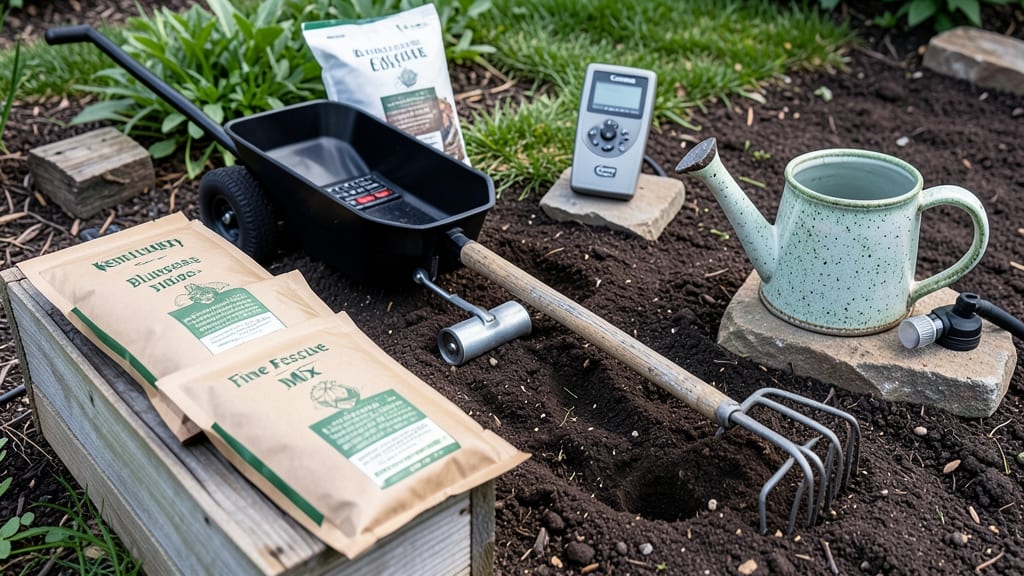
Timing your grass seed planting in Colorado wrong can turn your lush lawn dreams into a season-long waiting game—especially when elevation shifts and unpredictable frost dates mix into the equation.
The state’s dramatic climate means what works in Denver might fail in Steamboat Springs, and getting it right means the difference between fast germination and wasted effort.
Most gardeners know spring and fall are ideal, but Colorado’s 50–65°F soil temperature rule and frost-free windows (April 15 to October 15) add layers of complexity.
Whether you’re seeding in the Front Range or high-country zones, nailing the window ensures your grass takes root before summer heat or winter freeze can derail progress.
I’ll break down the exact months to plant based on elevation, soil prep secrets for Colorado’s dry climates, and how to avoid common mistakes that stall growth. Skip the guesswork—let’s get your lawn off to the fastest start possible.
From checking soil warmth to choosing the right seed variety, these Colorado-specific tips will help you sidestep pitfalls and enjoy a vibrant lawn all season long. Ready to dig in?
Colorado grass seed planting timeline by elevation: Front Range vs mountain regions
Colorado’s dramatic elevation shifts—from the Front Range (Denver, Boulder) to the high-country (Aspen, Steamboat Springs)—mean your grass seed planting window can vary by months. At 5,280 feet in Denver, last frosts average April 15, while at 8,000 feet in Aspen, they linger until May 15 or later.
Getting the timing right ensures fast germination and avoids frost damage.
For best results, aim to plant when soil temperatures consistently reach 50–65°F—a critical threshold for most cool-season grasses like Kentucky Bluegrass and Fescue. In low-elevation areas (3,000–6,000 ft), this typically aligns with early spring (March–April) or early fall (September–October).
Higher elevations (6,000–10,000+ ft) may push planting back until late May or August to avoid late frosts.
Soil temperature is your best guide, not just calendar dates. Use a soil thermometer (inserted 2 inches deep) to confirm readiness. In Denver, soil hits 55°F by mid-April, while in Steamboat Springs, it may not warm until early June. Fall planting is ideal in both regions—just time it 4–6 weeks before first frost (late October in Denver, early October in mountain towns).
Here’s how elevation and microclimates shift your planting window:
| Region | Elevation Range | Last Frost Date | First Frost Date | Best Planting Windows | Soil Temp Threshold |
|---|---|---|---|---|---|
| Front Range (Denver, Boulder, Colorado Springs) | 3,000–6,000 ft | April 1–April 15 | October 15–November 1 | March 15–April 30 (spring) / September 1–October 15 (fall) | 50–60°F (spring) / 55–65°F (fall) |
| Mountain Foothills (Fort Collins, Estes Park) | 6,000–8,000 ft | April 15–May 1 | October 1–October 15 | April 15–May 31 (spring) / August 15–September 30 (fall) | 55–65°F (spring) / 50–60°F (fall) |
| High Country (Aspen, Steamboat Springs, Telluride) | 8,000–10,000+ ft | May 1–May 15 | September 15–October 1 | May 15–June 30 (spring) / August 1–September 15 (fall) | 60–65°F (spring) / 45–55°F (fall) |
In Denver or Colorado Springs, spring planting starts as early as mid-March if soil warms quickly, but wait until April 15 to avoid frost risk. For fall planting, aim for September 1–October 15—this gives seedlings time to establish roots before winter.
In high-country areas, delay until late May or even June to ensure soil stays warm enough for germination.
Choosing the right grass seed variety also depends on elevation. Kentucky Bluegrass thrives in lower elevations (3,000–6,000 ft) with full sun, while Fine Fescue is better for shadier, higher-altitude yards. Tall Fescue is a drought-tolerant pick for 6,000–8,000 ft regions where water conservation is key.
Pro tip: Overseeding in early fall (September–October) is the most successful strategy across all elevations. Cooler temps reduce water stress, and fewer weeds compete with young grass. In Denver, this means planting by September 15; in Aspen, wait until August 15 to avoid early frosts.
Monitor local frost dates using the National Weather Service or Almanac tools—these can shift 1–2 weeks yearly due to La Niña/El Niño patterns. For example, Boulder’s last frost in 2023 was April 22, a week later than average. Adjust your timeline accordingly to avoid seedling loss
Soil temperature vs. grass seed germination: how to check and adjust for Colorado’s climate
Colorado’s high-altitude climate makes soil temperature the most critical factor for successful grass seed germination. Unlike lower elevations, cooler springs and late frosts can delay planting—sometimes by weeks. I’ve learned the hard way that rushing too early leads to seed rot, while waiting too long risks summer heat stress.
The key? Testing soil warmth at the right depth and adjusting for your specific elevation zone.
Most grass seeds need soil temperatures between 50°F and 65°F to germinate properly. At elevations above 7,000 feet, like in the Rocky Mountains, soils stay cooler longer. Even in Denver’s 5,280-foot elevation, a late April frost can push ideal planting into early May.
Fast-germinating varieties like Kentucky Bluegrass (10-14 days) or Tall Fescue (14-21 days) give you a buffer, but timing is everything.
- Test soil depth: Use a soil thermometer at 2-3 inches deep (where seeds will be planted). Surface temps can be misleading.
- Morning checks: Test between 10 AM and 2 PM when soil has warmed naturally. Avoid hot afternoons that skew readings.
- Elevation adjustments: Subtract 1°F per 300 feet elevation gain. For example, a 7,500-foot site needs 55°F+ instead of 50°F.
- Fast-germinating picks: Choose Kentucky Bluegrass (germinates in 10-14 days) or Perennial Ryegrass (7-10 days) for quicker establishment.
- Late-spring hack: If soil is below 50°F but above freezing, use a black plastic mulch for 1-2 weeks to warm it 5-10°F faster.
For high-altitude areas like Steamboat Springs (6,800 ft) or Aspen (7,800 ft), I recommend waiting until mid-May unless you’re using cold-tolerant Fescue blends. These varieties handle cooler soils better and reduce frost risk.
Always check the Colorado State University Extension frost maps for your specific town—last frosts can vary by 2-3 weeks even within the same county.
If your soil is too cold, don’t panic. Adjusting planting depth or using a seed starter fertilizer (like 10-10-10 NPK) can help kickstart germination. I’ve had success with pre-germinated seed in 48-hour soaking before planting—just be sure to plant it within 24 hours to avoid drying out.
For drought-prone areas, pair this with hydro-mulch to retain moisture until roots establish.
Remember: Fall planting (September-October) is often ideal in Colorado because soil stays warm longer, and cooler air reduces evaporation. If you’re in Zone 5 (northern CO), aim for late August to mid-September when daytime highs are 70-80°F but nights dip below 60°F.
This balance gives seeds time to germinate before winter dormancy sets in.
Pro tip: Keep a garden journal to track your soil temps and germination success. Over time, you’ll spot patterns—like how a south-facing slope warms 3-5°F faster than a shaded yard. With Colorado’s variable climate, flexibility is your best tool for a thick, healthy lawn every season. 🌱