
Plants
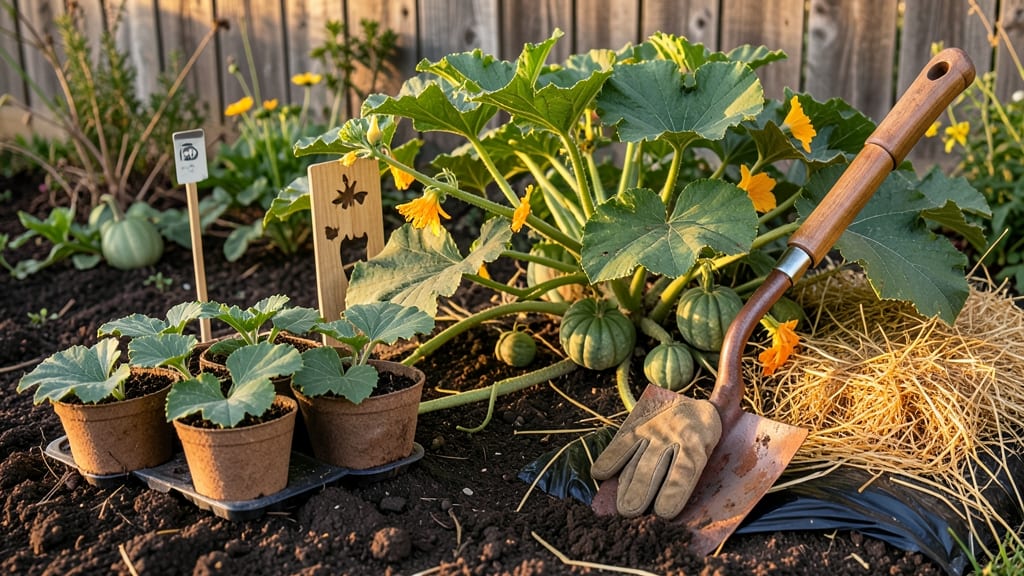
Planting pumpkins in Michigan means the difference between a bountiful harvest and a frost-nipped disappointment. The key window—mid-May to early June—aligns with soil temperatures hitting that sweet spot of 60-90°F, but even a few days off can throw off your entire growing season.
If you’ve ever wondered why some gardeners pull out jackpot-sized pumpkins while others struggle with stunted vines, timing is the culprit. Michigan’s 5b-6b zones demand precision: too early, and frost will kill tender seedlings; too late, and your vines won’t mature before the first frost in mid-October.
Don’t stress—this guide breaks down exactly how to nail your planting schedule, from checking soil warmth to adjusting for late springs or early freezes. You’ll also learn which pumpkin varieties thrive in Michigan’s short season and how to give your plants the best shot at success.
Ready to grow pumpkins that’ll make your neighbors jealous? Let’s dive into the perfect planting strategy for Michigan’s climate, so you can enjoy homegrown 🎃 come fall.
Michigan pumpkin planting timeline: frost dates & soil temperature guide
Michigan’s cool climate and variable frost dates make timing critical for pumpkin success. Unlike warmer states, pumpkins here need at least 100 frost-free days to mature—so planting too early risks frost damage, while late starts may leave you with tiny pumpkins.
The key? Soil temperature and historical frost data from your USDA zone (typically 5b-6b in Michigan).
Pumpkin seeds won’t germinate until soil reaches 60°F, but vines thrive at 70-90°F. In southern Michigan (Zone 6b), you can plant as early as late April if soil warms quickly, while northern areas (Zone 5b) often wait until mid-May.
Always check Michigan State University’s frost maps for your county’s average last frost date—usually May 10-20.
Here’s your customized planting timeline based on Michigan’s regions, soil temps, and frost risks:
| Region | USDA Zone | Last Frost Date | Ideal Planting Window | Soil Temp Requirement | Harvest Window |
|---|---|---|---|---|---|
| Southern MI (Detroit, Kalamazoo) | 6b | April 25 - May 5 | Late April - Early May | 60°F+ (use black plastic mulch if cold) | Late Sept - Early Oct |
| Central MI (Lansing, Grand Rapids) | 5b-6a | May 10 - May 20 | Mid-May - Early June | 70°F+ (wait for warmth) | Early Oct - Mid-Oct |
| Northern MI (Traverse City, Upper Peninsula) | 4b-5a | May 25 - June 5 | Early June (or start indoors) | 75°F+ (use row covers) | Mid-Oct - Late Oct |
| All Regions (Transplants) | 5b-6b | N/A | June 1-15 (hardier varieties) | 65°F+ (soil must be warm) | Late Sept - Early Nov |
For precision planting, use a soil thermometer—pumpkin seeds need consistent warmth to sprout. If your soil is below 60°F in spring, cover beds with black plastic mulch 1-2 weeks before planting to warm the soil faster.
In colder zones, opt for shorter-season varieties like 'Jack Be Little' (75 days) instead of giant types.
Pro tip: Count backward from your first frost date (usually October 10-20 in Michigan) to determine your last possible planting window. Subtract 100-120 days (pumpkin maturity time) to find your final deadline.
For example, if frost hits October 15, your last planting window is June 25-30 for direct-sown seeds.
Michigan’s short growing season demands strategic planning. If you’re in Zone 5b, consider starting seeds indoors 3-4 weeks before your last frost date, then transplant after Memorial Day when soil is reliably warm.
Use row covers early in the season to extend warmth and protect young plants from late spring frosts.
Don’t overlook microclimates—southern exposures, raised beds, or black plastic mulch can push your planting window 1-2 weeks earlier. Test your soil’s pH (6.0-6.8) and add compost to improve warmth retention. For historical frost data, check the Midwestern Regional Climate Center or your local MSU Extension office.
Remember: Pumpkins need space—vines spread 10+ feet, so plan your garden layout now. If you’re in a northern county, prioritize fast-maturing varieties and transplanting over direct sowing. With the right timing, you’ll harvest plump, prize-worthy pumpkins before Michigan’s first frost! 🎃
Best pumpkin varieties for Michigan’s short growing season & how to adapt planting
Michigan’s short growing season demands cold-hardy pumpkin varieties that mature quickly—typically in 75-90 days. Choosing the right variety and adapting planting methods can mean the difference between a bountiful harvest and wasted effort.
For example, 'Jack Be Little' is a favorite because it thrives in cooler temps and produces small, fast-growing pumpkins perfect for carving and pies.
Another top pick is 'Howden', a classic sugar pumpkin variety that matures in about 90 days and handles Michigan’s variable spring weather better than most. If you’re aiming for giant pumpkins, 'Sugar Pie' is a reliable choice, though it needs slightly warmer soil (70°F+) to germinate quickly.
These varieties are all disease-resistant, which is crucial for Michigan’s humid summers.
When adapting planting for Michigan’s climate, consider transplanting seedlings instead of direct sowing. This gives you a 2-3 week head start if early spring brings unpredictable frost. Start seeds indoors 4-6 weeks before your last frost date (usually mid-May), then transplant after soil warms to 70°F.
Use black plastic mulch to speed up soil warming and extend the season by 1-2 weeks.
🌱 Planting Pumpkins in Michigan: Pros & Cons
✅ Direct Sowing
- Pros: Simple, no transplant shock
- Cons: Risk of frost damage if planted too early
✅ Transplanting Seedlings
- Pros: Extends growing season, better control
- Cons: Requires indoor setup, potential transplant shock
🌡️ Soil Temperature
- Pros: Warmer soil = faster germination
- Cons: Cool springs delay growth
🛡️ Row Covers
- Pros: Protects from frost, extends season
- Cons: Requires removal during flowering
For late starts, use row covers or floating row covers to protect young plants from late spring frosts. These lightweight fabrics trap heat and can push maturity dates back by 2-3 weeks. Remove covers when flowers appear to allow pollination by bees.
Another trick is to use hill planting: mound soil into 12-inch-high hills to warm roots faster and improve drainage in Michigan’s clay-heavy soils.
If you’re short on space, opt for bush-type pumpkins like 'Minnesota Golden', which grow in compact vines instead of sprawling. These varieties are ideal for container gardening or small plots.
Pair them with trellises to save space and improve air circulation, reducing pumpkin diseases like powdery mildew—common in Michigan’s humid summers.
Finally, always check your local frost dates and adjust planting accordingly. Northern Michigan (USDA Zone 5b) has a shorter season than southern Michigan (Zone 6b), so plan 10-14 days earlier in the north.
With the right variety and adaptive techniques, you’ll be carving homegrown pumpkins by Halloween—no matter where you are in the state! 🎃