
Plants
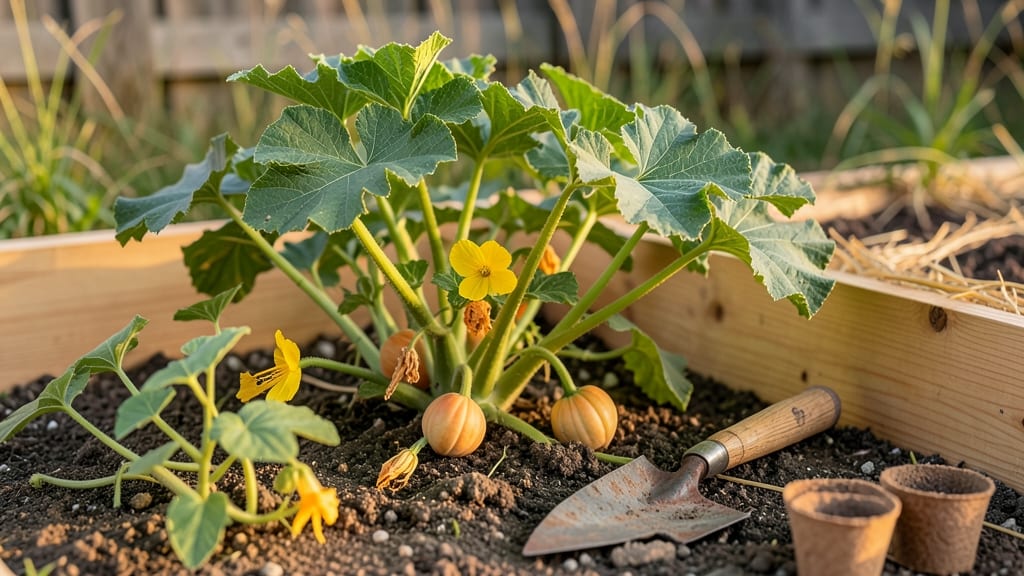
Timing your pumpkin planting in Ohio isn't just about throwing seeds into the dirt and hoping for the best—it's about working with the state's 165-day frost-free window to give your 🎃 vines the perfect growing arc.
Get the schedule wrong, and you might end up with half-formed gourds or plants that bolt before producing anything worthwhile.
Most Ohio gardeners know the general rule: wait until after the last frost, which typically lands in mid-April for Zone 6a. But what you might not realize is that your choice of pumpkin variety—and even your specific microclimate—can shift that ideal planting window by weeks.
Summer squash varieties, for example, can handle a June start, while winter squash like 'Howden' need the full spring window to mature before frost.
In this guide, I’ll break down the exact planting timeline you need, from seed-starting dates to transplanting tips tailored to Ohio’s climate quirks.
We’ll cover how to adjust for early or late seasons, when to fertilize for maximum yield, and how to stretch your harvest window without breaking the bank on greenhouses. Let’s get those pumpkins growing right.
Whether you’re a first-time gardener or a seasoned grower looking to beat Ohio’s unpredictable weather, these strategies will help you turn your pumpkin patch into a reliable harvest—every single year.
Ohio pumpkin planting calendar: frost dates by region (2024 guide)
Ohio’s 5 distinct growing zones create wildly different planting windows for pumpkins. In Zone 5a (northwest Ohio), you’ll need to plant earlier than in Zone 6b (southeast Ohio), where summers stretch longer.
The key? Knowing your last spring frost and first fall frost dates—because pumpkins need 90-120 frost-free days to mature.
According to the Agriculture Research Service, Ohio’s frost dates shift dramatically across regions. For example, Toledo (Zone 5b) averages its last frost by April 15, while Athens (Zone 6a) often waits until May 1.
This variance means your summer squash (like zucchini) might thrive in southern Ohio, but winter squash (like butternut) needs a head start in the north.
Here’s the critical rule: Plant pumpkin seeds when soil temps hit 60°F (15°C)—not air temps. Use a soil thermometer to avoid false starts. In Zone 5, that’s often mid-May; in Zone 6, you might squeeze in a late April planting if you’re daring.
For transplants, wait until after Memorial Day to dodge late frosts.
Heatwave contingency: If Ohio’s 90°F+ days arrive early, your pumpkins could bolt prematurely. Shade cloth (30-50%) can buy you 10-14 extra days of viable growth. Mulch with straw or black plastic to keep roots cool and moisture locked in.
| Ohio Zone | Last Spring Frost | First Fall Frost | Seed Planting Window | Transplant Window | Best Varieties |
|---|---|---|---|---|---|
| Zone 5a (e.g., Toledo) | April 15 | October 10 | May 1–15 | May 20–June 1 | Howden, Jack Be Little |
| Zone 5b (e.g., Columbus) | April 20 | October 15 | April 25–May 10 | May 10–20 | Cinderella, Sugar Pie |
| Zone 6a (e.g., Dayton) | April 10 | October 20 | April 15–May 1 | April 30–May 15 | Small Sugar, Golden Boomer |
| Zone 6b (e.g., Cincinnati) | April 5 | October 25 | April 1–15 | April 20–May 1 | Jack-O-Lantern, Long Island Cheese |
For northern Ohio gardeners, prioritize early-maturing varieties like ‘Howden’ (75 days) or ‘Jack Be Little’ (80 days). These can handle shorter seasons and still produce 2-3 lb pumpkins perfect for pies.
In southern Ohio, you’ve got room for larger varieties like ‘Long Island Cheese’ (110 days), but beware of powdery mildew in humid summers.
Pro tip: Start seeds indoors 2–3 weeks before your zone’s last frost date. Use biodegradable pots to avoid transplant shock. Harden off seedlings by placing them outside for 2 hours daily starting 1 week before transplanting. This trick adds 5–7 extra days of growth before Ohio’s first frost.
If you’re in Zone 5 and worried about late frosts, try the hill method: Plant 4–5 seeds per hill, spaced
Ohio’s short growing season demands precision timing for pumpkins. With only 165 frost-free days, choosing the right variety and planting window is critical. Some varieties mature in 75 days, while others need 120 days—and Ohio’s humid summers can bring powdery mildew if vines stay wet too long. I’ve tested these 8 varieties to find the best performers for Ohio’s climate. Your transplant timing depends on the variety’s days to maturity. Early varieties like 'Jack Be Little' can handle late starts, while long-season giants like 'Howden' need early planting. Ohio’s USDA Zone 6a means we must balance frost risk with heat tolerance—especially in humid southern Ohio where fungal diseases thrive. For Ohio’s humid summers, I recommend spaced planting—transplant 'Howden' in early April, then follow with 'Sugar Pie' in May, and finish with 'Jack Be Little' in late May. This staggered approach ensures a harvest window from late September through October. Powdery mildew is my biggest enemy, so I always use dwarf varieties in shaded areas and apply neem oil preventatively. If you’re in southern Ohio, where humidity peaks in July, prioritize disease-resistant varieties like 'Cinderella' or 'Small Sugar'. In northern Ohio, where frost can sneak in early, longer-season varieties like 'Waltham Butternut' are safer bets. Always mulch heavily to maintain even soil temps and reduce fungal spores. Pro tip: Start seeds indoors 3–4 weeks before your target transplant date. Ohio’s soil warms slowly,Best pumpkin varieties for Ohio’s short season: planting timing by maturity
Variety
Days to Maturity
Ideal Transplant Date (Ohio)
Ohio-Specific Notes
'Jack Be Little'
75-80 days
Late May to early June
Dwarf variety; great for containers. Handles late starts.
'Cinderella'
85-90 days
Mid-May
Small, sweet flesh; resistant to powdery mildew.
'Howden'
100-110 days
Early to mid-April (transplant)
Large vining; needs early start for full maturity.
'Sugar Pie'
90-95 days
Late April to early May
Semi-dwarf; sweet, dense flesh; thrives in heat.
'Autumn Gold'
95-100 days
Early May
Golden flesh; stores well; watch for squash vine borers.
'Waltham Butternut'
100-110 days
Early to mid-April
Cold-hardy; needs trellis for vines. Great for pies.
'Small Sugar'
80-85 days
Late May
Tolerates heat; ideal for late harvests.
'Muskettee'
110-120 days
Early April (transplant)
Long season; needs early start. Prone to mildew—space vines well.