
Plants
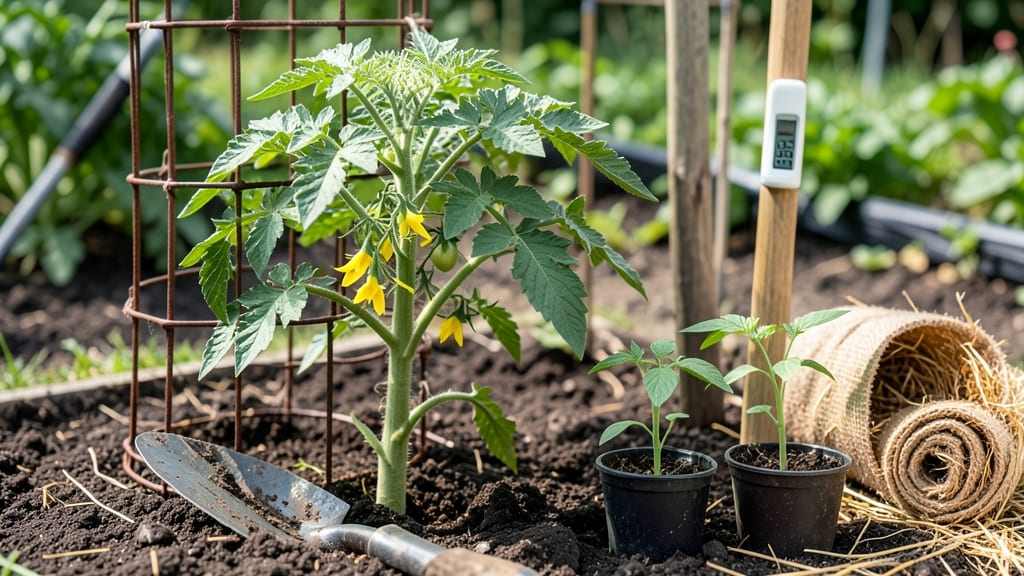
Planting tomatoes in Oklahoma isn’t just about the calendar—it’s about beating the unpredictable last frost dates that can turn your 🍅 dreams into a sad, wilted pile of disappointment.
Whether you’re starting seeds indoors or transplanting seedlings, timing is everything, and getting it wrong means your hard work could go up in smoke before it even begins.
With Oklahoma’s diverse USDA zones (from 6b in the Panhandle to 8a in the southeast), the "right" time varies wildly—sometimes by weeks within the same state. I’ve dug into local frost data and gardener success stories to break it down so you don’t have to guess.
Let’s talk about the exact windows that’ll give your tomatoes the best shot at thriving, no matter where you’re planting.
You might think all you need is a general rule like "plant after Memorial Day," but that’s a recipe for disaster in Oklahoma’s fickle climate. The key is knowing your county’s average last frost date—and how to adjust for those late-year surprises that can hit even in June.
I’ll show you how to use soil temperature and weather trends to fine-tune your schedule for maximum harvests.
Ready to go from guessing to growing? By the end of this guide, you’ll know exactly when to start seeds indoors, when to transplant outdoors, and how to stretch your growing season for fall tomatoes—so you can enjoy homegrown 🍅 from spring through autumn. Let’s get started.
Oklahoma’s frost-free planting zones by county: exact dates for seedlings vs. transplants
Oklahoma’s USDA zones 6b through 8a create wildly different planting windows, but one rule applies everywhere: wait until soil temperatures hit 60°F+ for tomatoes. In the Panhandle (Zone 6b), you’ll plant weeks earlier than in Southeast Oklahoma (Zone 8a), where late frosts can linger into April.
I’ve compiled the most reliable 2023-2024 frost data from Oklahoma Mesonet to give you precise county-level guidance—because generic "after last frost" advice won’t cut it here.
For heat-loving varieties like 'Celebrity' or 'Better Boy', starting seeds indoors is often the safest bet, especially in northern counties. These tomatoes need 80+ days to mature, so timing your transplants to align with your county’s true frost-free date (not the average) is critical.
Below, I’ve broken down the ideal transplant windows (April–June) and seed-starting schedules by region, so you can avoid the heartbreak of frost-nipped seedlings.
Here’s the key takeaway: Northern Oklahoma (Zones 6b-7a) should start seeds indoors by March 1 and transplant by May 1, while Southern Oklahoma (Zones 7b-8a) can wait until March 15 for seeds and April 15 for transplants.
But don’t just follow these dates—watch your local Oklahoma Mesonet station for real-time soil temps and forecasts.
If you’re growing 'Celebrity' tomatoes (a 70-day variety), you’ll want seedlings ready by your county’s transplant window to ensure harvests before fall frosts. For 'Better Boy' (90 days), start seeds earlier—by February 15 in northern counties—and consider using row covers to extend the season.
Pro tip: In Zone 6b, plant heat-loving varieties like 'Solar Fire' (85 days) for better success.
Don’t make the mistake of transplanting too early, even if your county’s average last frost has passed. Soil temperature is more critical than air temperature—tomatoes won’t thrive until the ground reaches 60°F+.
Use a soil thermometer to confirm readiness, especially in April, when nighttime temps can still dip dangerously low. I’ve seen gardeners in Central Oklahoma lose entire transplants because they rushed based on calendar dates instead of real soil conditions.
For northern counties, consider starting seeds in a greenhouse or under grow lights by February 1 to give seedlings a head start.
In southern Oklahoma, you can afford to wait until March 15 for seeds, but still aim to transplant by April 15 to avoid June heat stress. The goal is to have your tomatoes established before Memorial Day, when Oklahoma’s summer heat kicks in full force.
One trick I’ve used with great success is staggering plantings—start a second batch of seeds 4-6 weeks after your first transplant to ensure a
5 Critical factors that determine your Oklahoma tomato planting success (beyond dates)
While most planting guides focus on frost dates, Oklahoma’s soil temperature and microclimates are the real game-changers for tomato success. I’ve seen seedlings thrive in one part of town while wilting just miles away—because the nighttime lows or humidity levels differ drastically.
These five factors often override generic planting charts, and ignoring them means risking poor germination or stunted growth.
Take Cimarron County in the Panhandle, where late-May frosts still occur, or Oklahoma City’s urban heat islands that can bake soil weeks earlier than rural areas. The key is understanding how these variables interact with your local conditions.
For example, soil temperature must reach 60°F+ before transplanting—no amount of wishful thinking will make tomatoes grow faster in cooler soil.
Here’s how to fine-tune your schedule using Oklahoma Mesonet data and real-world observations:
- Soil Temperature: Wait until soil reaches 60°F+ (use a soil thermometer)—cold soil delays germination and invites damping-off disease.
- Nighttime Lows: Tomatoes need 50°F+ minimum temps—check Oklahoma Mesonet for your county’s 10-day forecast before transplanting.
-
Humidity Levels: High humidity (>70%) increases fungal risks
- Local Weather Anomalies: The Panhandle’s late-May frosts can hit even after "safe" dates—use row covers as a buffer.
- Oklahoma Mesonet Data: Bookmark mesonet.org to track real-time soil temps and forecast shifts—this is your secret weapon for beating generic charts.
Let’s break down how to use these factors in practice.
For instance, in Tulsa (USDA Zone 7a), I start seeds indoors by March 15th to ensure they’re ready for transplant by April 15th, when soil temps consistently hit 60°F. But in Lawton (Zone 7b), I delay until April 1st because the soil warms slower.
The Mesonet’s soil temperature maps let me verify these dates annually—no more guessing.
Another pro tip: Heat-loving varieties like ‘Arkansas Traveler’ or ‘Solar Fire’ need even warmer soil (65°F+). If you’re in Zone 6b (Panhandle), consider starting these in biodegradable pots and using black plastic mulch to warm the soil faster.
I’ve seen this method add 2-3 weeks to the growing season in cooler areas.
Finally, don’t overlook humidity’s role. In southeastern Oklahoma, where summers are muggy, I space tomato plants 3 feet apart and prune aggressively to prevent blight. Meanwhile, in western Oklahoma, I mulch heavily to retain moisture and cool the soil.
These adjustments turn average harvests into exceptional ones—because the best gardeners don’t just follow dates; they adapt to their microclimate. 🌱