
Planting
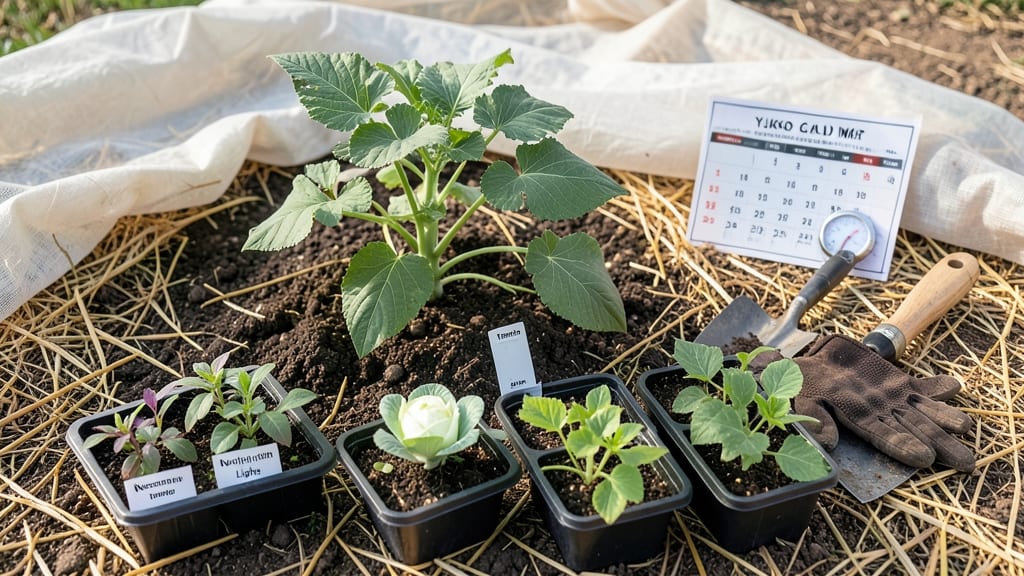
Timing your garden planting in North Dakota can feel like a high-stakes guessing game—one wrong move, and frost zaps your dreams of fresh tomatoes before they even sprout.
The 3b-4b zones here demand precision, with last frost dates hovering around May 15 and first frosts creeping in by September 15. Waiting too long risks stunted growth, while planting early invites nature’s icy veto.
I’ve learned the hard way that late April to mid-June is your sweet spot for most 🌱 General Garden crops, but the real secret lies in soil temperature—not just calendar dates.
Cold soil tricks seeds into thinking winter’s still hanging around, so grab a soil thermometer (or your elbow) to confirm 50°F before committing. This small step could mean the difference between a harvest and a sad, shriveled disappointment.
What if you’re itching to plant earlier? Cool-season crops like peas and spinach can handle a light frost, while heat-lovers like peppers need to wait until all danger has passed.
I’ll break down exactly which crops thrive in North Dakota’s 120-day growing window and how to stretch that window with clever tricks—because in ND, every extra day counts.
Ready to turn your backyard into a productive oasis? Let’s dive into the exact planting windows for your zone, plus pro tips to beat frost and make the most of your short but sweet growing season. Your future salad (or salsa) starts here.
North Dakota planting calendar by hardiness Zone (2024 frost-free dates)
North Dakota’s growing season is short—just 90–120 frost-free days in most zones—but with the right timing, you can grow a bountiful garden. The key is knowing your USDA hardiness zone (3a–5a) and when to plant for your cool-season vs. warm-season crops.
In Zone 3a, the last frost typically arrives by May 15, while Zone 5a sees it by May 1. First frosts hit as early as September 15 in the north, so plan accordingly.
Cool-season crops like spinach, peas, and kale can handle light frosts and should go in as early as April under row covers. Warm-season crops like tomatoes and peppers need to wait until after the last frost, usually mid-May to early June.
Below, I’ve broken down planting windows by zone to help you maximize your harvest in ND’s challenging climate.
Pro Tip: Always check your local NDSU Extension updates for frost dates, as they can vary by 5–10 days from year to year. For example, Fargo (Zone 4a) might see its last frost on May 10, while Bismarck (Zone 4b) could be a week later.
In Zone 3a, where winters are harshest, focus on fast-maturing varieties like bush beans (50 days)
How to adjust planting times for North Dakota’s unpredictable weather
North Dakota’s variable climate can make gardening feel like a high-stakes game of chance. One week you’re battling late frosts, and the next, a heatwave arrives early—leaving your tender seedlings scrambling to keep up.
The key to success? Flexible strategies that let you adapt to Mother Nature’s whims while maximizing your growing season.
I’ve learned the hard way that rigid planting schedules rarely work here. Instead, I rely on a mix of protective tools, succession planting, and heat-tolerant varieties to stretch our short growing season from early May to late September.
These tactics help me avoid the heartbreak of frost-nipped plants or bolting greens.
Another trick I swear by is planting through straw bales. The bales insulate roots and warm up faster than cold soil. I’ve had great success growing radishes and spinach this way as early as mid-April, even when the ground is still frozen.
For late-season crops, I always have a few cold-hardy varieties like kale or Swiss chard ready to go. These thrive in cooler temps and often survive our first light frosts. I’ll also plant garlic in October—it overwinters and produces sweet bulbs the following summer.
Don’t forget to monitor your local frost forecast using resources like the North Dakota State University Extension. Their frost-free date maps help me time my last plantings of peppers and eggplants for maximum yield before the growing season ends.
With these adjustments, I’ve turned ND’s unpredictable weather into an advantage. My garden now produces year-round harvests, from early spring radishes to late-fall kale—all while keeping my plants safe from frost and heat stress. 🌱