
Planting
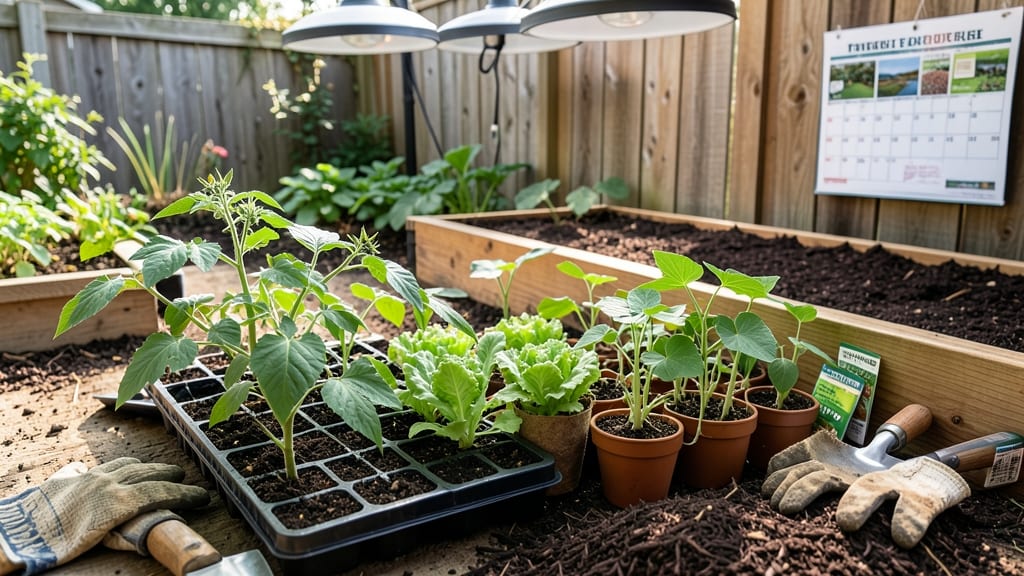
Planting your garden at the wrong time in Pennsylvania can mean the difference between a bountiful harvest and wasted effort. With last frost dates ranging from late April to mid-May and first frosts creeping in as early as October, timing is everything for General Garden 🌱 success.
Whether you're in the cooler 5b zones of the Poconos or the warmer 7a areas near Pittsburgh, understanding your microclimate is key. I'll show you exactly when to start seeds indoors, when to transplant outdoors, and which crops thrive in Pennsylvania's unpredictable spring weather.
Ready to avoid frost damage and maximize your garden's potential? You'll discover the perfect planting windows for everything from cool-season greens to heat-loving tomatoes. Let's get your General Garden off to the best possible start.
We'll also cover how to adjust for early springs, late frosts, and those pesky 10-day temperature swings that can throw off even the most experienced gardeners. Your future harvest depends on getting this right!
Pennsylvania planting zones: when to start seeds and transplant by region
Pennsylvania spans USDA hardiness zones 5b through 7a, creating a patchwork of planting opportunities. In the Appalachian Mountains (Zone 5b-6a), gardeners face shorter growing seasons and cooler temperatures, while southeastern PA (Zone 7a) enjoys warmer springs and later frosts.
Understanding these zones helps you time seed starts and transplants for maximum success.
Your last spring frost date is the critical marker for outdoor planting. In most of PA, this falls between April 15 and May 15, but valleys and high-altitude areas can experience frost 2-3 weeks later.
Urban heat islands in cities like Philadelphia may see frost 1-2 weeks earlier. Always check local Penn State Extension frost maps for precision.
Starting seeds indoors is a game-changer for cool-season crops like broccoli and peppers. Begin 6-8 weeks before your last frost date—so if your frost date is May 1, start seeds by March 15.
For warm-season crops like tomatoes, wait until 2-3 weeks after your last frost to transplant outdoors.
Microclimates add complexity. South-facing slopes warm up faster, while northern exposures stay cooler. Urban gardens may experience 5-10°F warmer temperatures than rural areas. Adjust your planting timeline by 1-2 weeks based on your specific microclimate to avoid frost damage.
Here’s a quick reference for Pennsylvania’s planting zones, including seed-starting windows and transplant dates:
| Zone | Last Frost Date | Indoor Seed Start (Cool Crops) | Outdoor Transplant (Warm Crops) | Direct Sow (Cool Crops) |
|---|---|---|---|---|
| 5b (Appalachians, NE PA) | May 1–15 | March 1–15 | May 15–30 | April 15–May 1 |
| 6a (Central PA, Pittsburgh) | April 20–May 5 | February 25–March 15 | May 1–15 | April 1–15 |
| 6b (Lancaster, Harrisburg) | April 15–April 30 | February 20–March 10 | April 25–May 10 | March 20–April 10 |
| 7a (Philadelphia, SE PA) | April 1–April 15 | February 15–February 25 | April 15–April 30 | March 1–March 15 |
For high-altitude gardens above 2,000 feet, like those in the Poconos or Allegheny Mountains, shift your timeline 2-3 weeks later. These areas often experience later last frosts and shorter growing seasons. Use row covers or cold frames to extend your season if needed.
Urban gardeners in cities like Philadelphia or Pittsburgh can plant 1-2 weeks earlier due to the urban heat island effect. Monitor local weather forecasts and use soil thermometers to confirm when soil reaches 50°F—the ideal temperature for transplanting most vegetables.
Fall planting is another opportunity. In Zone 5b-6a, you can direct-sow cool-season crops like spinach and kale as early as August 15, giving them time to mature before the first frost in October. In Zone 7a, extend this window until September 15.
Pro tip: Use Penn State Extension’s interactive frost map to pinpoint your exact last frost date. This tool accounts for local elevation and microclimates far better than generic zone charts. Bookmark it and check it annually—frost dates can shift by weeks due to climate change.
By aligning your planting schedule with your USDA zone and microclimate, you’ll avoid the heartbreak of frost-nipped seedlings and maximize your garden’s potential. Happy planting! 🌱
Best month-by-month planting schedule for Pennsylvania gardens
Timing is everything in Pennsylvania’s garden, where last frost dates can vary by weeks between regions. Whether you’re growing cold-hardy greens like spinach or heat-loving tomatoes, knowing when to plant ensures a bountiful harvest.
My schedule balances USDA zones 5b-7a with Pennsylvania’s microclimates—from Pittsburgh’s urban heat islands to the cooler Pocono Mountains.
Start with cool-season crops in early spring, then transition to warm-season plants after Memorial Day. Fall planting offers a second chance for hardy vegetables like kale and carrots. I’ll break it down month by month, including succession planting tips to keep your garden productive all season.
- 1 March: Start cool-season seeds indoors (broccoli, onions) and plant hardy greens outdoors if soil is workable (spinach, peas).
- 2 April: Direct sow cold crops (lettuce, radishes) and transplant onions after last frost (typically April 15-30). Start tomatoes, peppers indoors.
- 3 May: Plant warm-season veggies (beans, squash) after May 15 frost risk passes. Succession plant lettuce every 2 weeks.
- 4 June: Transplant tomatoes, peppers, eggplants after soil warms to 60°F+. Sow cucumbers, melons for late summer harvests.
- 5 July: Succession plant beans, beets, and carrots. Start fall broccoli, cabbage indoors for September transplanting.
- 6 August: Plant cool-season crops (spinach, kale) for fall harvest. Direct sow radishes, turnips for quick yields.
- 7 September: Transplant fall brassicas (broccoli, Brussels sprouts) and sow garlic for next year. Protect with row covers as temps drop.
Don’t overlook herbs and flowers—many thrive in Pennsylvania’s climate. Plant basil, cilantro in spring and chives, parsley in fall. For flowers, marigolds deter pests when planted with tomatoes, while pansies bloom through light frosts in fall.
Pro tip: Use succession planting to extend harvests. For example, sow bush beans every 2 weeks from June to July for continuous yields. In fall, spinach and arugula grow quickly and tolerate light frosts, giving you fresh greens until November.
Adjust for your specific zone—northern PA (Zone 5b) has shorter seasons than southern PA (Zone 7a). Always check soil temperature (use a soil thermometer) before planting warm-season crops. With this schedule, you’ll maximize your garden’s potential and enjoy fresh produce from spring to fall! 🌿