
Plants
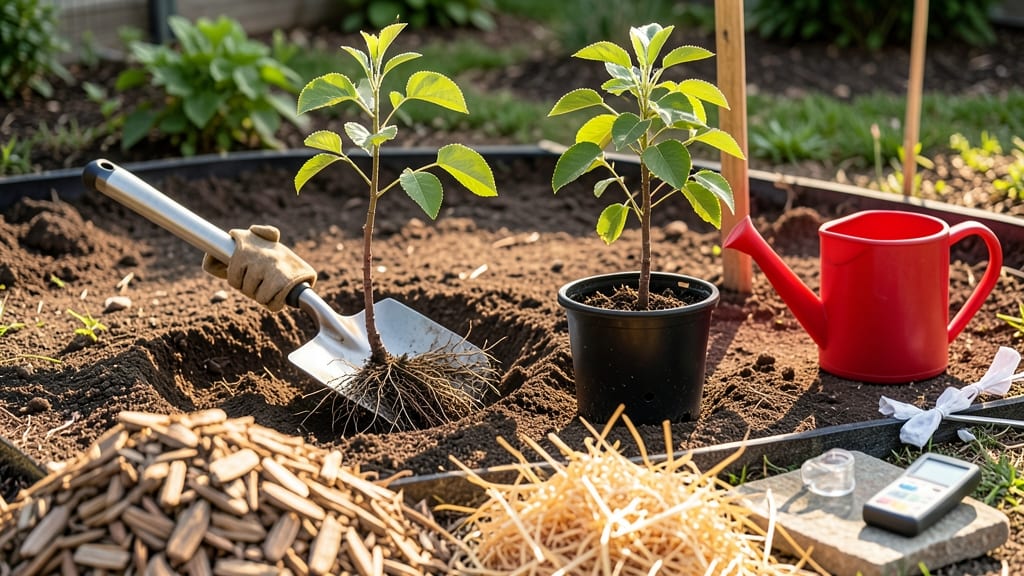
Timing your peach tree 🍑 planting in Texas wrong could mean watching your young tree struggle through late frosts or wilting under summer heat—so getting the months right is the key to a thriving orchard.
Most gardeners assume spring is the only option, but Texas’s varied climate means your best window depends on whether you’re in North, Central, or South Texas. Plant too early, and frost will nip tender roots; too late, and your tree won’t establish strong roots before summer’s brutal heat sets in.
I’ve seen firsthand how a few weeks can make or break a peach tree’s survival. The sweet spot? Late winter—when soil warms just enough to encourage root growth but before buds break and demand energy.
For Zone 8a-10b, that’s typically February to early March, but local microclimates can shift that window by weeks.
Ready to avoid the common mistakes that send peach trees into shock? Let’s break down the exact months, soil prep tricks, and heat-management hacks that’ll give your tree the strongest start possible—so you’re harvesting juicy fruit in May or June instead of fighting for survival.
Optimal planting months for peach trees in Texas by region
Texas gardeners know that planting a peach tree at the right time means the difference between a thriving orchard and a struggling sapling. With USDA zones 8a-10b across the state, timing varies dramatically from North to South Texas.
Late winter through early spring offers the perfect window for root establishment before Texas' unpredictable frost risks and scorching summers.
In North Texas (Zones 8a-8b), where last frosts often hit around February 15, planting between January and early March gives roots time to establish before summer heat.
Meanwhile, Central Texas (Zones 8b-9a) can safely plant through March and early April, while South Texas (Zones 9b-10b) enjoys a longer window from February to April with minimal frost concerns.
Soil temperatures below 50°F (10°C) can stunt root growth, so always check before planting. Bare-root trees should go in when soil is workable but not frozen, while container-grown trees offer more flexibility. Let's break down the best months for each region to maximize your peach tree's success.
🌱
| Region | USDA Zones | Best Planting Months | Soil Temp Requirement | Last Frost Date | Key Consideration |
|---|---|---|---|---|---|
| North Texas | 8a-8b | January - Early March | Above 50°F (10°C) | February 15 | Late frosts possible |
| Central Texas | 8b-9a | February - Early April | Above 55°F (13°C) | March 1 | Variable spring temps |
| South Texas | 9b-10b | February - April | Above 60°F (15°C) | January 15 | Minimal frost risk |
| All Regions | - | Avoid Summer Planting | N/A | - | Heat stress risk |
For North Texas gardeners, planting in late January gives roots a head start before the 100°F+ summers. Choose cold-hardy varieties like Elberta or Redhaven that tolerate occasional late frosts.
In Central Texas, where temperatures warm quickly, aim for February planting to avoid the brutal summer heat that can shock young trees.
South Texas gardeners have the luxury of planting through April, but avoid late spring planting if heavy rains are forecasted. The region's high humidity can promote fungal diseases in newly planted trees. Always select drought-tolerant varieties like Bonanza or Contender that thrive in Texas' 90+°F summers.
One critical rule for all Texas regions: never plant during summer. The intense heat and dry conditions create transplant shock, often killing young peach trees before they establish.
If you miss the spring window, wait until fall (October-November) when temperatures cool, but ensure at least 6-8 weeks remain before first frost.
Pro tip: Use a soil thermometer to confirm temperatures meet regional requirements. For North Texas, aim for 50°F+; Central Texas needs 55°F+; and South Texas thrives with 60°F+ soil. This small step prevents common planting mistakes that lead to poor root development and stunted growth.
🌿
Remember that Texas' microclimates can vary dramatically even within regions. Urban areas often experience heat islands with earlier last frosts, while rural areas may have cooler nights. When in doubt, consult your local Agrilife Extension office for precise frost dates and soil conditions in your specific area.
With the right timing, your peach tree will establish strong roots and reward you with juicy Texas peaches for years to come.
☀️
How to prepare your Texas soil for peach tree planting success
Texas soil can be a double-edged sword for peach trees—too much clay in North Texas bakes hard as brick, while sandy soils in West Texas drain so fast that roots starve.
The key to success? Preparing your soil 4-6 weeks before planting to create the perfect balance of moisture retention and aeration. I’ve learned the hard way that skipping this step means struggling with poor root growth or even tree death during our brutal summers.
Peach trees thrive in well-draining, slightly acidic soil with a pH between 6.0 and 6.5. Texas native soils often fall outside this range—especially our alkaline clays—so testing and amending is non-negotiable. Start by sending a soil sample to your local Texas A&M AgriLife Extension for a detailed report.
They’ll tell you exactly what nutrients are missing and how to fix drainage issues that could drown your tree’s roots.
Once you know your soil’s pH, it’s time to adjust it. For alkaline soils (pH >7.0), work in elemental sulfur at a rate of 1 pound per 100 sq ft, applied 2-3 months before planting.
If your soil is too acidic (pH <5.5), spread lime (calcium carbonate) at 50 pounds per 100 sq ft. Re-test after 3 months—patience here prevents root burn from over-correcting.
Drainage is where most Texas gardeners fail. Peach trees hate soggy feet, so if your yard pools water after rain, create a raised bed mound at least 12 inches high and 3 feet wide.
For in-ground planting, dig a 6-inch deep trench around the planting hole filled with gravel or broken pottery shards to encourage water runoff. This simple trick saved my first peach tree from root rot during our 2022 monsoon season.
Don’t overlook the power of organic amendments like composted cow manure or worm castings. Spread a 3-inch layer over the planting area and till it into the top 12 inches of soil.
For extra insurance against Texas heat stress, mix in 1 cup of bone meal per planting hole to boost phosphorus—this helps roots establish 30% faster during our long, hot growing season.
Finally, mulch like your peach tree’s life depends on it—because it does. Use 3-4 inches of wood chips or straw, keeping it 6 inches away from the trunk to prevent rot. This mulch blanket retains moisture, regulates soil temperature, and suppresses weeds that compete for nutrients.
Replenish it annually in early spring to keep your tree’s roots cool and hydrated through our 100°F+ summers. 🌱