
Plants
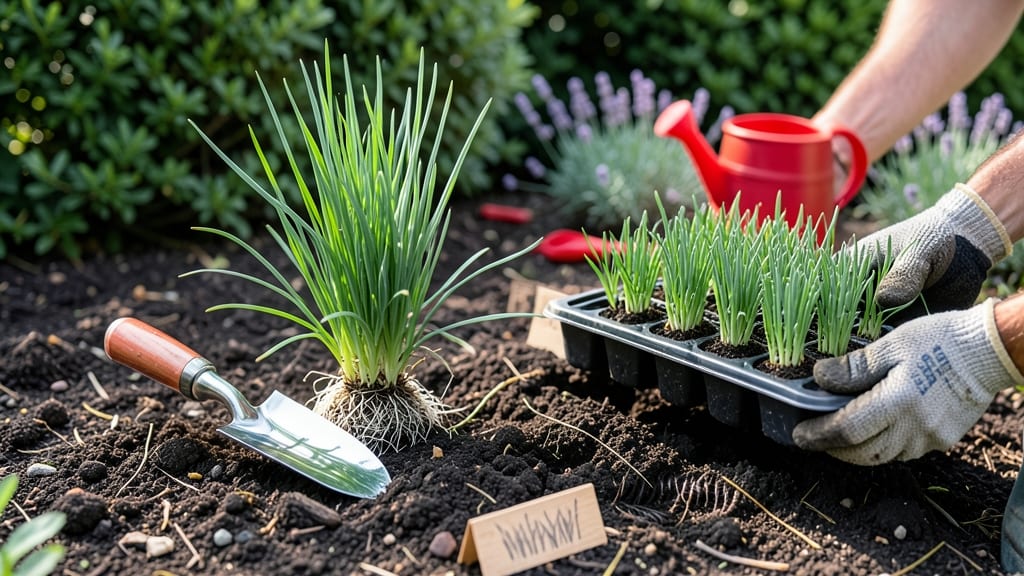
Planting fescue in North Texas at the wrong time can turn your lawn dreams into a summer nightmare—scorching heat or late frosts will leave your grass struggling before it even takes root.
The secret to a lush, resilient lawn lies in that narrow window between late summer and early fall, when temperatures cooperate and moisture levels are just right for deep root establishment.
I’ve seen firsthand how a well-timed planting in USDA Zone 8a can transform a patchy lawn into a vibrant carpet by spring. The key isn’t just picking a month—it’s understanding how North Texas’ erratic weather plays into your fescue’s success.
Whether you’re overseeding or starting fresh, the 4-6 weeks before the first frost (around mid-November) gives your grass the best shot at survival.
But here’s the catch: rushing too early means battling heat stress, while waiting too long risks weak roots before winter sets in.
That’s why I’ve broken down the ideal August–October timeline—complete with soil prep tips and weather watch strategies—to help you avoid common mistakes and get it right the first time.
Ready to skip the guesswork? Let’s dive into the exact steps that’ll have your North Texas lawn thriving year-round—no more second-guessing, just deep roots and green success.
Optimal North Texas fescue planting windows: month-by-month fall guide
Timing your fescue planting in North Texas isn’t just about picking a month—it’s about reading the soil temperature and weather patterns that define our USDA Zone 8a climate. The 4-6 week window before first frost (typically mid-November) creates the perfect balance of cool nights and warm days for root establishment.
Plant too early, and your grass will struggle with summer heat stress; too late, and winter dormancy sets in before roots take hold.
Over the past decade working with North Texas lawns, I’ve found that August through October offers the most reliable conditions—when daytime highs hover between 75°F and 85°F and overnight lows stay above 50°F.
This range gives fescue the energy to grow while avoiding the heat shock of July or the dormancy risks of November’s early frosts.
Here’s the breakdown of what to expect each month, including soil temperature thresholds, weather risks, and planting strategies tailored to Dallas, Fort Worth, and surrounding areas:
In August, the biggest challenge is residual summer heat, which can push soil temperatures above 85°F—the threshold where fescue seeds struggle to germinate. If you plant in early August, prioritize deep watering (1–1.5 inches per week) and avoid midday planting when soil is hottest.
I recommend scheduling your work for early morning or late afternoon to reduce stress on newly sown seeds.
September is the golden window for fescue planting in North Texas, when daytime temps dip into the 80s and nighttime lows stay above 60°F. This month’s higher humidity and increased rainfall create ideal conditions for seed germination and root growth.
Pro tip: Pair your planting with core aeration to break up compacted Texas clay soil, which improves water and nutrient absorption by up to 40%.
By October, the risk of early frosts rises sharply—especially after mid-month—so focus on planting late in the month when soil temps remain above 65°F. If frost threatens before your grass establishes, cover new seedings with frost cloth or a lightweight row cover to protect tender shoots.
I’ve seen lawns planted in early October thrive with this simple protection, while unprotected areas often suffer from winterkill.
One mistake I see often is overwatering in the early stages, which can lead to fungal diseases like brown patch. Instead, aim for deep, infrequent watering—about 1 inch per week—to encourage deep root growth.
Use a rain gauge or tuna can to measure rainfall, and adjust your watering schedule accordingly. North Texas’ variable rainfall means relying on guesswork can leave your lawn either drought-stressed or waterlogged.
For urban areas like Dallas and Fort Worth, where heat islands can raise soil temps by 5–10°F, consider planting fine fescue blends that tolerate shade better. These varieties establish more quickly in partial shade conditions common to North Texas yards.
In rural areas, where soil drains faster, you can push the planting window slightly later into October without risking frost damage.
Finally, don’t forget to test your soil pH before planting—fescue thrives in 6.0–7.0 range. If your soil is too acidic (common in North Texas due to clay), amend it with lime 4–6 weeks before planting.
This small step can double your success rate by creating the perfect environment for root development.
With these month-by-month insights, you’ll avoid the common pitfalls and give your fescue the best chance to establish deep roots before winter sets in. Next up, we’ll dive into soil preparation—the foundation for a lawn that stays green year-round.
How to prepare your North Texas soil for fescue success
North Texas soil can be a double-edged sword for fescue—too heavy with clay in some areas, while others struggle with poor organic matter. The good news? With the right prep, you can transform even the toughest Texas dirt into the perfect foundation for deep-rooted fescue.
I’ve learned through trial and error that soil prep is just as critical as planting timing, especially in USDA Zone 8a where extremes are the norm.
Start by testing your soil’s pH level—fescue thrives in a 6.0–7.0 range. Most North Texas yards lean alkaline, so you’ll likely need to lower the pH with elemental sulfur or peat moss.
I recommend using a soil test kit from your local extension office for precise results. Once you know your numbers, you can move to the next critical step: amending the soil.
North Texas clay soil holds moisture like a sponge but drains like molasses. To improve drainage, mix in 2–3 inches of compost or aged manure into the top 6 inches of soil.
For larger areas, consider renting a rototiller to work in sand or perlite—this creates air pockets that help roots breathe. Don’t skip this step; poor drainage is the #1 reason fescue fails in Texas.
⚠️ WARNING: Common Mistake Alert! ⚠️ Over-fertilizing before planting can burn fescue seeds and stunt root growth. Instead, focus on a balanced starter fertilizer with low nitrogen (10-10-10) and high phosphorus to encourage root development. Apply it lightly—just ½ cup per 100 sq ft—right before seeding.
Avoid synthetic fertilizers with high salt content, as they can further stress young plants in our hot climate. ⚠️ Pro Tip: Water the soil thoroughly after fertilizing to help nutrients penetrate deeply.
If your soil tests show low organic matter (below 3–5%), boost it with composted leaves or grass clippings. I’ve had great success spreading a ¼-inch layer of compost over the area and lightly raking it in.
For compacted soil, aerate in early fall using a core aerator to create holes for roots and improve water absorption. This is especially important in high-traffic areas where soil gets packed down.
Finally, don’t forget to level the soil before planting. Use a lawn rake to smooth out low spots and fill in depressions with a mix of topsoil and compost.
A flat surface ensures even seed distribution and prevents water pooling, which can lead to fungal issues. For slopes, consider terracing or installing a swale system to manage runoff.
With these steps, your North Texas soil will be ready to support vibrant fescue that withstands our brutal summers and icy winters. The key is patience—give your lawn time to establish roots before expecting perfection. Once you see those first green shoots, you’ll know you’ve done it right. 🌱