
Plants
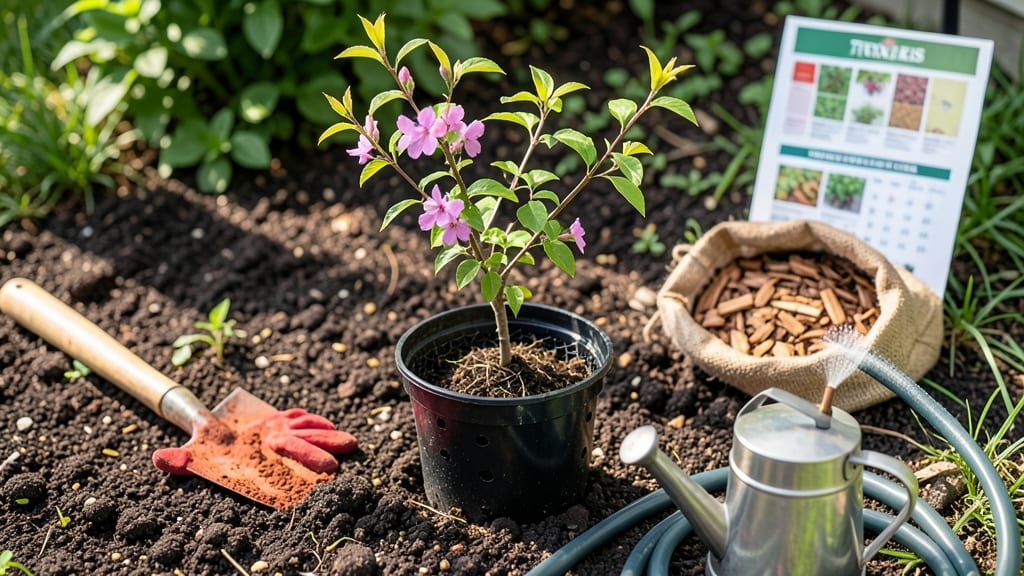
Planting a tree in Texas at the wrong time can mean struggling roots, stunted growth, or even death—but timing it right ensures your 🌳 thrives for decades. The Lone Star State’s extreme heat, droughts, and regional microclimates demand precision, not guesswork.
If you’ve ever wondered why some trees in your neighborhood seem to grow like weeds while others barely survive, the answer likely lies in when they were planted. Texas’ 6a-10a zones mean frost dates and soil temperatures vary wildly—from North Texas’s late freezes to South Texas’s balmy winters.
In this guide, I’ll break down the best months to plant a tree in your specific region, whether you’re in North, Central, or South Texas. You’ll learn how to read soil conditions, avoid common pitfalls, and choose the right species for your yard’s climate.
Ready to set your tree up for success? Let’s dive into the science—and the secrets—of planting at the perfect time.
Best tree planting months in Texas by region (North vs. Central vs. South)
Texas’s diverse climate—from the freezing North to the tropical South—means planting a tree at the wrong time can spell disaster. In North Texas, late frosts linger until March 15, while South Texas enjoys frost-free growing seasons year-round.
Central Texas falls somewhere in between, with milder winters and scorching summers. To give your tree the best shot at survival, timing is everything.
Most experts agree that fall and early spring are the sweet spots for tree planting in Texas. Fall allows roots to establish before summer heat, while spring gives young trees a head start before the brutal Texas sun arrives.
However, the optimal window shifts depending on whether you’re in East Texas’s humidity or West Texas’s aridity. Let’s break it down by region so you can plant with confidence.
⚠️ CRITICAL RULE: Never plant during peak summer heat (June–August) or deep winter freezes (December–February in North Texas). The stress of extreme temperatures can kill young trees before they even take root.
In North Texas, where winters can dip below 20°F, planting in late winter (February–March) gives roots time to establish before summer’s arrival. If you opt for fall planting (October–November), choose hardy species like American Elm or Pecan, which tolerate cooler soils.
Avoid planting in December or January—frost can damage tender roots.
Central Texas’s milder winters and longer growing season make spring (March–April) the ideal window. The soil warms quickly, encouraging root growth before the summer dry spell hits. For fall planting (September–October), prioritize trees that thrive in partial shade, like Texas Mountain Laurel, to avoid heat stress.
Skip planting in May or June—the heat and drought will overwhelm young trees.
If you’re in South Texas, you’re in luck: the frost-free growing season means you can plant almost year-round. However, fall (September–October) and early spring (February–March) are still the best bets.
The humidity and heat of summer can stress trees, so choose shade-loving species like Live Oak or Mexican Sycamore if planting in warmer months.
For East Texas’s humid climate, focus on well-draining soil to prevent root rot. Plant in late winter (February–March) or early fall (September–October), when temperatures are mild.
Avoid July and August, when fungal diseases thrive in the heat and humidity. Amend heavy clay soils with organic matter to improve drainage.
Texas gardeners know timing is everything when planting trees. The difference between lush, thriving roots and struggling saplings often comes down to a few key indicators. First, check the soil temperature—it should be above 60°F (15°C) but not scorching. Cool but workable soil (like in early spring or fall) gives roots time to establish before summer heat arrives. Next, monitor the weather forecast for at least two weeks after planting. Avoid periods with extreme heatwaves or prolonged droughts, which dry out soil too quickly. Even a single week of 100°F+ temps can shock young roots. In North Texas, aim for March or October when frost risks have passed but summer’s intensity hasn’t peaked. 🌱 🌡️ Pro Tip: Use a soil thermometer—ideal temps are 60–75°F (15–24°C). Pay attention to your tree species, too. Fast-growing trees like Mexican Sycamore tolerate heat better than delicate varieties like Japanese Maple. If planting in South Texas, where winters are mild, late fall (November) is safer than spring—summer arrives earlier here, and saplings can’t keep up. Finally, observe the moisture levels in your yard. If the ground feels dry 2 inches down, wait for rain or irrigate deeply before planting. Young roots need consistent hydration for the first 6–12 months. In Central Texas, this often means holding off until October rains replenish soil moisture after summer. One common red flag is wilted leaves within days of planting—this usually means overwatering or heat stress. Conversely, vigorous new shoots in 4–6 weeks confirm you’ve nailed the timing. Adjust your schedule based on these signs, and your tree will reward you with decades of shade and beauty. ☀️Signs your Texas tree planting timing is perfect (or terrible)
⚠️ Deadly Mistakes to Avoid