
Planting
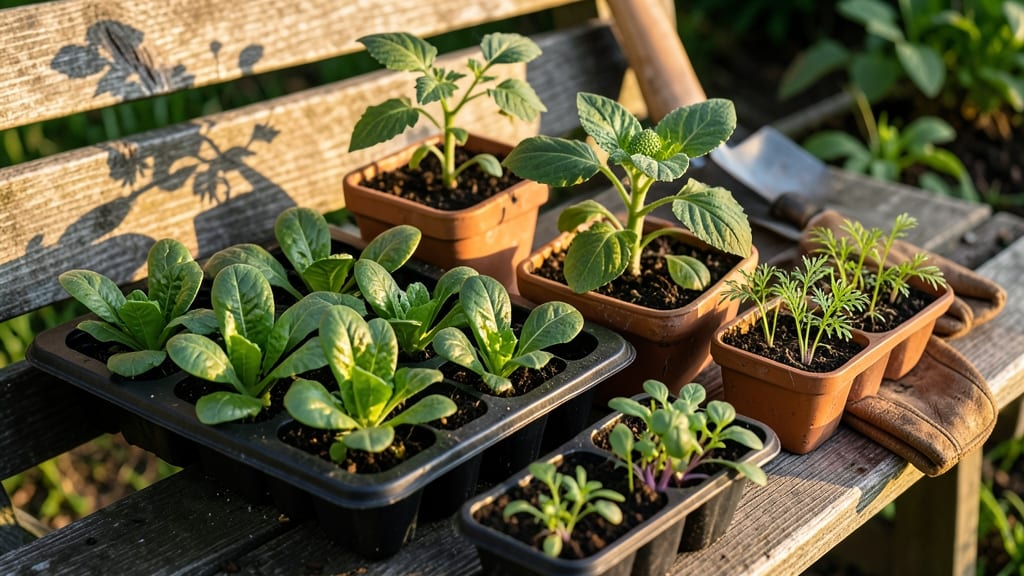
Planting a vegetable garden in California at the right time can mean the difference between a bumper crop of juicy tomatoes 🥬 and a sad, wilted disappointment.
With frost-free zones stretching from 9a inland to 10a along the coast, timing your plantings to match your microclimate is the key to success.
Whether you're in foggy San Francisco or the sunbaked Central Valley, knowing when to start seeds or transplant seedlings makes all the difference.
Cool-season crops like lettuce and broccoli thrive in fall and winter, while warm-season favorites like peppers and eggplants beg for spring planting—once the danger of frost has passed.
I’ve spent years testing what works in my own California garden, and I’m here to share the exact windows you need to follow.
From coastal areas where you can plant almost year-round to inland valleys with their distinct frost-free seasons, this guide will help you avoid common mistakes and maximize your harvest.
Ready to grow a thriving vegetable garden? Let’s dive into the perfect planting schedule tailored to your corner of California—so you can enjoy homegrown goodness without the guesswork.
California planting zones: coastal vs. valley timing for zero-frost vegetables
California’s USDA zones 9-10 create a gardener’s paradise, but the coastal fog of Santa Barbara and the Central Valley heat of Fresno demand completely different planting strategies. Unlike northern states, most of California enjoys no frost risk—but timing still matters to avoid heat stress or pest outbreaks.
For example, planting tomatoes in June in the Central Valley risks blossom drop, while coastal gardeners can start warm-season crops in March thanks to milder temperatures.
The key difference lies in frost-free days: coastal areas like San Francisco have 365 frost-free days, while inland valleys like Sacramento average 270-300 days. This means warm-season crops (tomatoes, peppers, squash) can go in 2-4 weeks earlier on the coast versus the valley.
Conversely, cool-season crops (lettuce, broccoli, carrots) thrive in coastal summer months when inland areas hit 100°F+.
Here’s how to align your planting with California’s three distinct climates—coastal, Central Valley, and desert—using frost-free dates and crop-specific windows:
For warm-season crops, the Central Valley’s April–May window avoids blossom end rot in tomatoes, while coastal gardeners can start peppers in late February. My go-to rule: wait until soil temps hit 60°F+ (use a soil thermometer) before planting tomatoes or peppers.
In the desert, shade cloth is a game-changer—it lets you plant 3 weeks earlier without heat stress.
Cool-season crops like lettuce and broccoli thrive in coastal summer months (June–August), while inland gardeners should plant them in fall (October–November) to avoid bolting. A local exception: Santa Barbara’s foggy summers let you grow spinach in July without bolting. Test your soil’s pH (6.0–7.0) and add compost before planting—nutrient-rich soil is critical for fast-growing greens.
Pro tip: Use succession planting to extend harvests. For example, sow carrots every 2 weeks from September to November in the Central Valley for continuous yields. In coastal zones, you can even plant winter squash in late summer—it matures just as cool weather arrives.
Just avoid overcrowding; zucchini vines need 3 feet of space!
One common mistake? Planting basil too early in the Central Valley. Basil hates cold, so wait until after May 1—even if your neighbor’s garden looks ready.
Another trick: interplant fast growers (radishes) with slow growers (peppers) to maximize space. Radishes are harvest-ready in 30 days, leaving room for peppers to mature.
Don’t forget desert exceptions. In Palm Springs, okra and sweet potatoes thrive in summer heat, while coastal areas can grow artichokes year-round.
My 2023 experiment with winter melons in San Diego proved they bolt in summer, so I shifted planting to late spring. Always check
Month-by-month planting calendar for California gardens (with frost alerts)
California’s microclimates create a gardener’s paradise—but only if you time your plantings right. Coastal areas like San Francisco enjoy mild winters, while the Central Valley (Sacramento) and desert regions (Palm Springs) face frost risks and extreme heat.
Missing a critical planting window can mean wilted seedlings or missed harvests. Below is your month-by-month guide to avoid frost damage and maximize yields.
For coastal gardens, frost is rare, but valley and desert gardeners must watch for last frost dates (typically March 15–April 15 in the Central Valley). Warm-season crops like tomatoes and peppers need to wait until soil warms to 60°F+, while cool-season greens thrive in fall and winter.
Desert areas can plant year-round, but summer heat demands shade and extra water.
📅 January–February: Focus on cool-season crops like lettuce, kale, and carrots. Coastal gardeners can direct-sow seeds, while valley areas should use row covers to protect from rare frosts. Desert regions? Skip planting—wait for spring warmth.
📅 March–April: Time to prep for warm-season planting. Start tomato, pepper, and basil seeds indoors (6–8 weeks before last frost). In the Central Valley, wait until April 15+ to transplant seedlings—earlier risks frost damage. Coastal areas can plant outdoor seedlings by mid-March.
📅 May–June: Peak planting season for heat-loving crops! Transplant tomatoes, cucumbers, and squash after soil reaches 65°F+. In desert regions, provide afternoon shade to prevent bolting. Succession-plant bush beans every 2 weeks for continuous harvests.
📅 July–August: Harvest summer crops like zucchini and eggplant before they bolt. In the Central Valley, start fall greens (spinach, arugula) in late July for early autumn harvests. Desert gardeners? Use shade cloth to protect seedlings from intense sun.
📅 September–October: Fall planting is your second chance! Direct-sow cool-season crops like broccoli, cauliflower, and radishes. Coastal areas can extend harvests into winter, while valley regions should mulch to retain soil warmth. Desert gardens? Focus on drought-tolerant varieties like Swiss chard.
Pro tip: Use succession planting to stagger harvests—sow bush beans every 2