
Planting
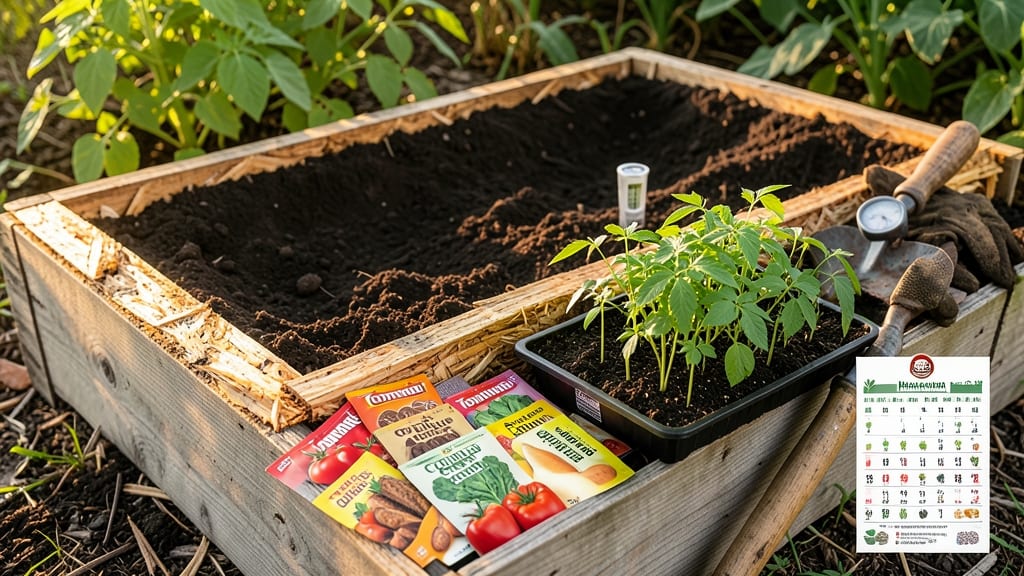
Planting your 🥬 vegetable garden in Mississippi at the wrong time can mean the difference between a thriving harvest and wasted effort. The key to success? Timing it perfectly with your county's last frost date—typically around March 15—to give heat-loving crops like tomatoes and okra the best start.
Mississippi's warm climate gives you two prime planting windows: spring (late February to early April) and fall (August to early September). But even with 215 frost-free days in Zone 8a, a late surprise frost can ruin your hard work—especially in North Mississippi's cooler microclimates.
I'll show you exactly when to plant each crop for maximum yield, from cool-season greens in January to heat-tolerant squash in July. Plus, I'll share pro tips to extend your growing season with row covers and succession planting—so you can keep harvesting until December.
Ready to turn your Mississippi garden into a year-round produce powerhouse? Let's dive into the perfect planting schedule tailored to your region's unique frost patterns and growing conditions.
Mississippi’s last frost dates by region: the critical timeline for planting vegetables
Understanding your last frost date is crucial for Mississippi gardeners, as it dictates when to plant cool-season crops like lettuce and warm-season crops like tomatoes. The state spans USDA Zones 7b to 8b, with significant regional variations affecting frost timing.
In North Mississippi, last frosts typically arrive by March 15, while South Mississippi and the Delta often see their last frost by March 1. These differences can impact your planting schedule by 2-4 weeks.
Mississippi’s frost dates also vary between urban and rural areas. Cities like Jackson and Biloxi tend to have slightly later last frosts due to the urban heat island effect, while rural areas in the Delta region may experience earlier frosts.
Always check local Mississippi State University Extension reports for precise updates, as microclimates can shift frost dates by 1-2 weeks.
For cool-season vegetables, such as broccoli and spinach, planting should begin 4-6 weeks before your county’s last frost date. In North Mississippi, this means starting seeds indoors by late January, while South Mississippi gardeners can begin outdoors as early as mid-February.
Warm-season crops like okra and sweet potatoes should wait until 2-3 weeks after the last frost, typically mid-April in North Mississippi and early April in the South.
Microclimates play a huge role in Mississippi gardening. A south-facing slope in your yard might warm up 2-3 degrees faster than a shaded area, allowing you to plant warm-season crops a week earlier.
Similarly, low-lying areas in the Delta can experience earlier frosts, so monitor these spots closely. Urban gardens in Jackson or Gulfport may have 5-7 extra frost-free days compared to rural areas.
Here’s a region-by-region breakdown of Mississippi’s last frost dates and ideal planting windows for your vegetable garden:
| Region | Last Frost Date | First Frost Date | Cool-Season Planting Window | Warm-Season Planting Window |
|---|---|---|---|---|
| North Mississippi (e.g., Tupelo, Oxford) | March 15 - April 1 | November 1 - November 15 | February 1 - March 15 | April 15 - May 1 |
| Central Mississippi (e.g., Jackson, Starkville) | March 1 - March 15 | November 10 - November 25 | January 15 - March 1 | March 20 - April 10 |
| South Mississippi (e.g., Gulfport, Biloxi) | February 28 - March 10 | November 5 - November 15 | January 1 - February 20 | March 10 - March 25 |
| Mississippi Delta (e.g., Greenville, Clarksdale) | March 1 - March 10 | October 30 - November 10 | January 10 - February 28 | March 15 - April 1 |
Mississippi’s fall planting season is equally critical, with first frost dates arriving as early as late October in the Delta and mid-November in North Mississippi.
For a second harvest of warm-season crops like tomatoes or peppers, plant seeds indoors by July 1 and transplant outdoors by August 15. Cool-season crops like kale and radishes can be sown directly outdoors until September 15 in most regions.
If you’re in Zone 8b (South Mississippi), you can push the envelope further. Some gardeners in Gulfport or Pascagoula successfully grow winter greens like spinach year-round with row covers or cold frames.
However, even these areas will see occasional light frosts in December, so always be prepared to protect tender plants with frost cloth.
For urban gardeners, microclimates can be your best friend. A rooftop garden in Jackson might stay 5 degrees warmer than a backyard plot, allowing you to plant warm-season crops like okra a week earlier.
Conversely, shaded urban areas may experience earlier frosts, so monitor your specific conditions closely. Use a minimum-maximum thermometer to track temperatures and adjust your planting schedule accordingly.
Mississippi’s long growing season means you can enjoy two full harvests per year if you plan carefully. Start by mapping out your planting calendar based on your county’s frost dates, then adjust for microclimates in your yard.
With the right timing, you’ll be enjoying fresh tomatoes in May and crisp greens in November—all while avoiding the pitfalls of planting too early or late.
🌱
Best vegetables to plant in Mississippi by season: aligning crops with frost dates for maximum yield
Mississippi’s long growing season lets you grow everything from cool-season greens in winter to heat-loving tomatoes in summer. But timing matters—planting tomatoes too early risks frost damage, while okra planted late may struggle in fall’s cooler temps.
The key? Align your crops with your county’s last frost date (typically March 15 in North Mississippi, March 1 in the South).
I’ve broken down the top 10 vegetables for Mississippi gardens, including transplant dates, succession planting tips, and heat-tolerant varieties that thrive in our climate. Whether you’re growing ‘Cajun Belle’ peppers or ‘Mississippi Silver’ quail eggs, this guide ensures your garden stays productive year-round.
-
🌿 Cool-Season Crops (Jan-Feb)
What to plant: Collards, kale, spinach, broccoli, cabbage
When: 2-4 weeks before last frost (Jan 15-Feb 15)
Pro tip: Use row covers for early starts -
☀️ Warm-Season Crops (Apr-May)
What to plant: Tomatoes, peppers, okra, sweet potatoes, squash
When: 2-3 weeks after last frost (Mar 22-Apr 15)
Pro tip: Choose ‘Celebrity’ tomatoes or ‘Cajun Belle’ peppers for heat tolerance -
🌻 Succession Planting (May-Aug)
What to plant: Bush beans, lettuce, carrots, radishes
When: Every 2-3 weeks until July 15
Pro tip: Plant okra in late May for fall harvests -
🍠 Fall Harvests (Aug-Sept)
What to plant: Sweet potatoes, turnips, mustard greens, late tomatoes
When: Aug 1-Sept 15 (60-80 days before first frost)
Pro tip: ‘Beauregard’ sweet potatoes mature in 90 days—perfect for fall
For tomatoes, start seeds indoors in February and transplant after your last frost. In North Mississippi, opt for early-maturing varieties like ‘Early Girl’ (60 days) to avoid fall frosts. In the Delta, you can push the season later with ‘Celebrity’ tomatoes (70 days), which handle summer heat better.
Mississippi’s okra thrives in summer’s heat, but planting too late means smaller pods. Aim for May 1-June 15 for peak production. Try ‘Clemson Spineless’, a classic variety that handles our humidity.
For collards, a staple in Southern gardens, direct-sow in February or August for fall harvests—‘Champion’ is a reliable choice.
Don’t forget sweet potatoes, a Mississippi favorite! Plant slips (young plants) in May-June for a fall harvest. ‘Beauregard’ is a top variety, maturing in just 90 days.
For peppers, transplant ‘Cajun Belle’ or ‘Jalapeño M’ after your last frost—they love our long summers and will keep producing until frost.
To maximize your garden, use succession planting for quick growers like bush beans or radishes. Sow every 2-3 weeks from April to July to ensure a steady harvest.
And if you love greens, try ‘Mississippi Silver’ quail eggs, a heat-tolerant variety that stays productive even in summer’s heat.
With these seasonal guidelines, you’ll turn your Mississippi garden into a year-round produce machine—from cool-season collards in winter to sweet potatoes in fall. Happy planting! 🌱