
Planting
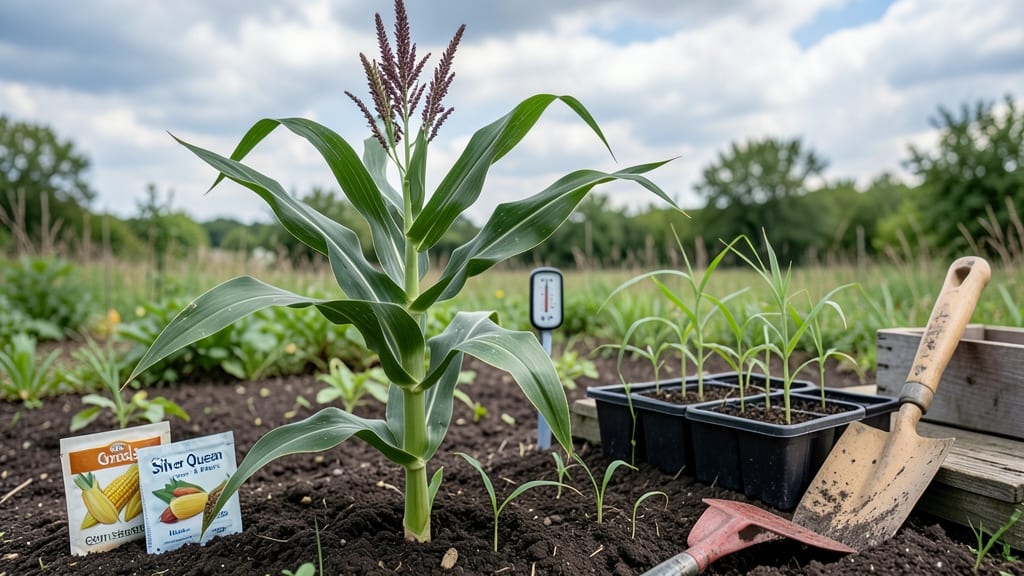
When to plant a vegetable garden in Iowa isn’t just about throwing seeds in the dirt—it’s about beating frost, maximizing your growing season, and avoiding those heartbreaking late-spring freezes that can ruin weeks of work.
With USDA Zones 4a-5a and unpredictable swings between snow and 70°F days, knowing when to plant is the difference between a bountiful harvest and a sad pile of wilted seedlings.
I’ve dug into Iowa’s 2024 frost data to give you the exact windows you need for everything from cold-hardy peas to heat-loving tomatoes.
Whether you’re a first-time gardener or a veteran with a few failed attempts under your belt, this guide will help you plan like a pro. We’ll cover county-specific frost dates, how to adjust for late springs, and which vegetables to prioritize in early spring—so you can start planting with confidence.
No more guessing games. Let’s get your Iowa garden growing on the right schedule—before the next frost rolls in.
Iowa’s 2024 last-frost dates by county: your planting timeline
Iowa’s last-frost dates vary dramatically by county—from early April in southern regions to late May in the north. These microclimate differences mean your tomato seedlings in Dubuque won’t survive the same timing as those in Des Moines.
Understanding these dates helps you avoid frost damage while maximizing harvest windows for both cool-season and warm-season crops.
Iowa spans USDA Zones 4a–5a, where a single late frost can delay planting by weeks. For example, southern Iowa (like Muscatine) typically sees its last frost by April 15, while northern counties like Winneshiek often wait until May 10.
This guide provides county-specific averages, plus probability data to help you hedge against surprises.
Use this planting timeline to align your seed starting and transplanting with Iowa’s frost-free probabilities.
For cool-season crops like spinach and peas, you can plant as early as March 15 in southern regions, while warm-season crops like peppers and squash need to wait until after the last frost—often May 1–15 depending on location.
🌱
For northern Iowa, like Winneshiek and Chickasaw, the last-frost date often pushes into mid-May, giving you less time for warm-season crops. In contrast, southern Iowa counties like Muscatine and Scott can start tomatoes and peppers as early as April 25, extending your growing season.
Always check the 10-day forecast before planting tender seedlings. Even if the average last frost has passed, a late-spring freeze can still occur. Use
How to adjust planting dates for Iowa’s unpredictable weather patterns
Iowa’s spring frost fluctuations can leave gardeners scrambling—one week it’s 70°F, the next a 28°F surprise. To beat the odds, I’ve learned to use rolling 10-day averages instead of relying on fixed dates.
This method accounts for Iowa’s microclimates (like river valleys staying warmer) and gives your plants a fighting chance against late frosts.
Start by checking your local USDA Zone 4a-5a last-frost probabilities. For example, Dubuque averages April 20 for its last frost, while Des Moines typically hits May 5. But here’s the trick: wait until you’ve seen three consecutive days above 50°F before planting tender crops like tomatoes or peppers.
I’ve found that row covers and cold frames can extend my planting window by 2-3 weeks. For instance, I plant spinach and peas under floating row covers in early March—long before the official last-frost date. These tools create a 5-10°F warmer microclimate, protecting seedlings from unexpected dips.
🌱 Iowa Planting Date Adjustments
- 📅 Cool-season crops (spinach, kale, peas): Plant 4-6 weeks before last frost—use row covers for earlier starts.
- ☀️ Warm-season crops (tomatoes, peppers): Wait for soil temps ≥55°F (use a soil thermometer) and 10-day frost-free streak.
- 🌡️ Late frosts (after April 15): Protect with cloches or black plastic mulch to warm soil faster.
- 📋 Succession planting: Sow radishes and lettuce every 2 weeks until June 15 to stagger harvests.
- 🌱 Cold-hardy crops (broccoli, cabbage): Can handle 20°F—plant 2 weeks before last frost for early harvests.
For tender crops like cucumbers and beans, I use the "5-4-3 rule": count back 5 days from your last frost date, then subtract 4 days for soil warming, and finally 3 days for seedling establishment. This gives you a realistic safe date that accounts for Iowa’s unpredictable swings.
Don’t forget about late-season extensions! In my garden, I’ve used low tunnels to harvest kale and carrots until November 15—even in Zone 4a. Pair this with straw mulch (3-4 inches thick) to insulate roots from early frosts.
For extra insurance, I plant bush beans in late July—they mature before the first frost and taste sweeter for the wait.
Pro tip: Keep a planting journal for 3 years to track your actual last frost and adjust dates accordingly. I’ve found my Des Moines garden’s true last frost is often 10 days later than the average—knowledge that’s saved my tomato plants multiple times.
With these strategies, you’ll turn Iowa’s weather chaos into a garden advantage.