
Planting
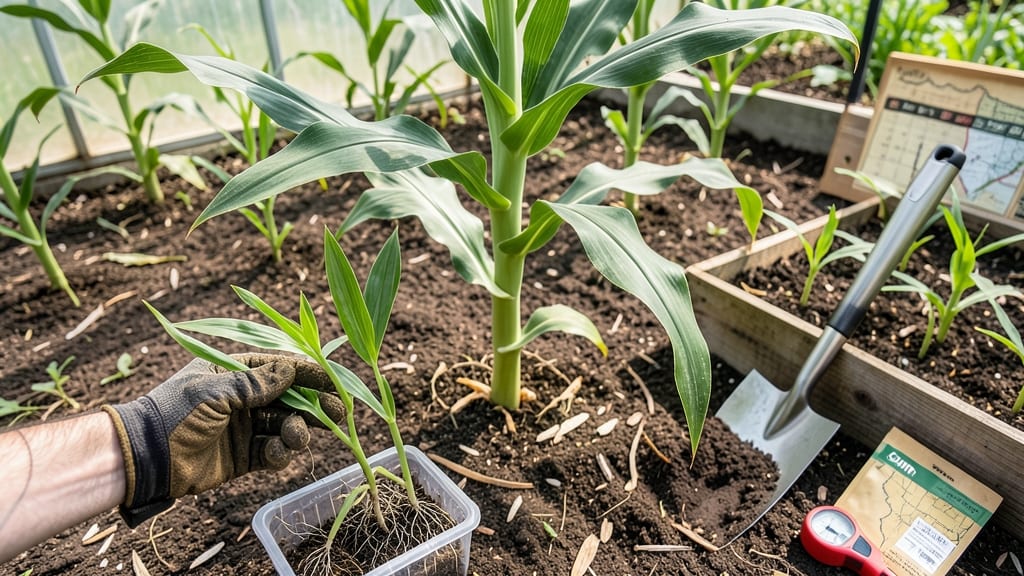
Timing your garden planting in Iowa isn’t just about following a calendar—it’s about beating the frost and unlocking a harvest that rivals your neighbors’.
With last spring frosts lingering near April 15 and early falls bringing frost by October 15, those 150 frost-free days become your golden window for success.
I’ve watched too many gardeners rush into the soil too soon, only to see their hard work blackened by a late freeze. The key isn’t guessing—it’s knowing exactly when to plant cool-season crops like peas or spinach versus warm-season favorites like tomatoes and peppers.
In USDA Zones 5a-5b, even a week’s delay can mean the difference between a thriving 🌱 and a struggling one.
This guide breaks down the perfect planting windows for your county, whether you’re in northern Iowa where the ground thaws later or southern Iowa where the growing season stretches just a little longer.
No more second-guessing—just data-driven deadlines to help you start strong in spring and extend your harvest into fall.
Ready to turn your garden into a productivity powerhouse? Let’s dive into the county-specific frost dates and planting strategies that’ll keep your crops happy—no matter what Mother Nature throws your way.
Iowa’s frost-free deadlines by county: when to plant cool vs warm season crops
Iowa’s frost dates vary dramatically by county—some areas can plant tomatoes in early May, while others wait until mid-June. Understanding these microclimates is key to avoiding frost damage and maximizing your harvest.
Southern Iowa (like Muscatine) often enjoys 2-3 weeks earlier planting than northern counties like Winneshiek. Let’s break down the last spring frost and first fall frost averages by region, so you can plan your cool-season crops (like spinach) and warm-season crops (like peppers) with confidence.
For cool-season crops, such as lettuce, kale, and peas, you’ll want to start seeds 4-6 weeks before your last frost date. These hardy plants can even tolerate light frosts, making them ideal for early spring or late fall plantings.
In contrast, warm-season crops like tomatoes, cucumbers, and beans need soil temperatures above 50°F and should only be planted after your last frost date has passed. Below, you’ll find a county-by-county guide to help you time your plantings perfectly.
Pro Tip: Use row covers or cold frames to extend your planting window by 2-3 weeks in early spring or late fall. This is especially useful in USDA Zone 4b areas like Clayton or Fayette, where frosts linger longer.
| County | Last Spring Frost (Avg.) | First Fall Frost (Avg.) | Cool-Season Planting Window | Warm-Season Planting Window |
|---|---|---|---|---|
| Muscatine | April 20 | October 10 | March 15 - April 20 | May 1 - June 15 |
| Dubuque | April 28 | October 5 | March 1 - April 28 | May 15 - June 10 |
| Polk | April 25 | October 8 | March 10 - April 25 | May 1 - June 12 |
| Story | April 22 | October 12 | March 5 - April 22 | May 10 - June 15 |
| Winneshiek | May 5 | September 25 | April 1 - May 5 | June 1 - June 25 |
| Clayton | April 30 | October 2 | March 15 - April 30 | May 15 - June 10 |
In northern Iowa, like Winneshiek or Allamakee, the growing season is shorter, so focus on fast-maturing varieties
7 Pro tips to extend Iowa’s planting season without risking frost damage
Iowa’s short growing season can feel like a race against time—but with the right strategies, you can push your harvests later into fall or start earlier in spring without losing plants to frost.
The key is combining smart timing with protective tools and heat-tolerant varieties tailored to Iowa’s USDA Zones 4-5. I’ve tested these methods in my own garden, and they’ve added 3-4 weeks to both ends of my growing season.
One of my favorite tricks is using row covers and cold frames to create microclimates that protect tender plants.
For example, I’ve successfully grown ‘Early Girl’ tomatoes—which mature in just 55 days—by planting them under floating row covers in early May, even when nighttime temps still dip below 40°F. The covers act like a blanket, trapping heat while allowing sunlight and water through.
Here are my top 7 proven strategies to extend Iowa’s planting season safely, with Iowa-specific examples you can try this year:
-
1. Start with heat-tolerant varieties
Choose fast-maturing plants like ‘Early Girl’ tomatoes (55 days) or ‘Straight Eight’ corn (85 days) over slower varieties like ‘Brandywine’ tomatoes (80+ days). These give you a 3-4 week head start before first frost. -
2. Use floating row covers
Protect cabbage, lettuce, and spinach with lightweight covers to lower frost risk by 2-4°F. Remove during pollination for vegetables like cucumbers and squash. -
3. Build a cold frame
Extend spring plantings by 4-6 weeks with a simple cold frame. I’ve grown peas and radishes under mine in early April when outdoor temps hover around 35°F. -
4. Try succession planting
Stagger plantings of lettuce, kale, and carrots every 2 weeks in late spring/early summer. This ensures a continuous harvest and reduces the risk of losing an entire crop to frost. -
5. Plant in black plastic mulch
Warm soil faster by 10-15°F using black plastic. Ideal for tomatoes, peppers, and eggplants, which need warm roots to thrive. Remove mulch before first frost to protect soil. -
6. Choose late-season varieties
Opt for ‘Winterbor’ kale or ‘Ruby Streak’ winter radishes, which tolerate light frosts (28°F) and sweeten after frost. These are perfect for fall plantings in August-September. -
7. Monitor frost forecasts
Use Iowa State University’s Frost Probability Tool to track 32°F and 28°F frost risks. Cover plants 24 hours before a forecasted frost with blankets or row covers for extra protection.
My biggest success story? Last year, I extended my tomato harvest by 6 weeks using a combination of row covers and cold frames. I planted ‘Early Girl’ tomatoes under covers in early May and ‘Brandywine’ tomatoes in a cold frame by late June.
By using these methods, I enjoyed fresh tomatoes from June through October—something I never thought possible in Zone 5a!
Remember, the goal isn’t to defy frost entirely but to work with Iowa’s climate. Start with the strategies that fit your garden size and budget, and don’t hesitate to experiment.
Even small adjustments, like adding mulch or choosing the right varieties, can make a huge difference in your harvest timing.