
Planting
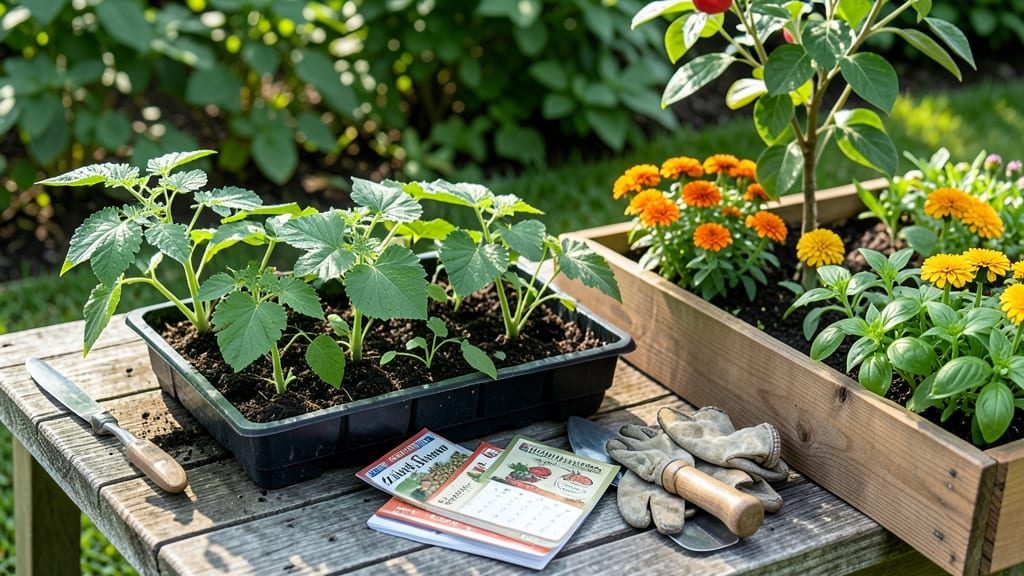
Planting your garden in Missouri at the wrong time means risking frost-nipped seedlings or missed harvests—so timing is everything. With USDA zones 5b-6b and unpredictable late springs, knowing exactly when to plant General Garden Plants 🌱 can make or break your yield.
Most Missouri gardeners swear by the April 15 rule: wait until the last frost date has passed and soil warms to at least 60°F. But what if you’re in northern Missouri versus the bootheel?
The answer varies—and getting it right means the difference between a thriving garden and a sad, stunted one.
In this guide, I’ll break down the exact planting windows for spring and fall, including county-specific frost dates and the best crops to start early or late. Whether you’re growing tomatoes, herbs, or perennials, you’ll learn how to stretch your growing season like a pro.
Ready to avoid the common mistakes that waste time and money? Let’s dive into the science-backed schedule that’ll have your Missouri garden flourishing all season long.
Missouri’s last frost dates by county: when to plant cool-season vs. warm-season crops
Missouri spans USDA hardiness zones 5a through 7a, creating dramatic differences in frost timing from the northern Ozarks (zone 5a) to the bootheel (zone 7a). Knowing your county’s average last frost date determines whether you can safely plant tomatoes, peppers, or cool-season greens without risking damage.
For example, St. Louis (zone 6b) typically sees its last frost by April 15, while Kansas City (zone 5b) often waits until April 25.
Warm-season crops like tomatoes and squash need soil temperatures above 60°F and frost-free conditions. In northern Missouri (zones 5a-5b), this usually means waiting until mid-May, while southern Missouri (zones 6a-7a) can start as early as late April.
Conversely, cool-season crops like lettuce and spinach thrive when planted 4-6 weeks before the last frost, often starting in March for southern counties.
To simplify planning, I’ve categorized Missouri’s 114 counties into 5 frost zones based on their average last frost dates. Use this guide to align your planting schedule with your local climate patterns.
For precise timing, check your county’s historical frost data from the Missouri State Climate Office or use the summary table below as a starting point.
🌱Pro Tip: Always monitor weekly forecasts in late April—unexpected late frosts can still occur, especially in valleys and low-lying areas. Harden off seedlings gradually to prevent shock if you plant early.